
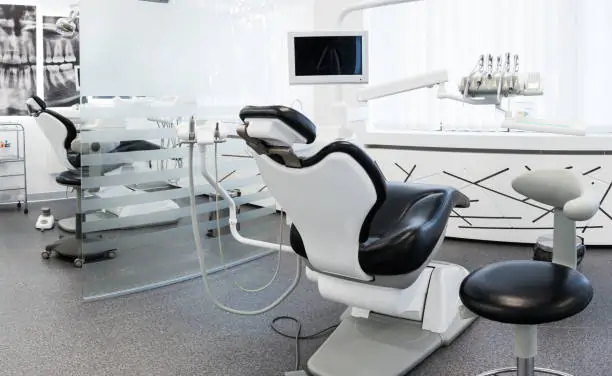
Many people avoid dental visits because they remember cold tools, bright lights, and long waits in the chair. Today that experience can change. Modern comfort options let you feel more in control during treatment. You can expect quiet equipment, gentle numbing, and clear explanations before anything starts. You can also choose small comforts that calm your body and mind. These changes help you sit through cleanings, fillings, and other care with less strain. They also help you return for regular visits instead of waiting until pain forces you in. A dentist in Scarsdale now has access to new tools that reduce noise, shorten treatment time, and ease soreness after you leave. This blog explains four common comfort options you can request at your next visit. You deserve a calm mouth, a clear plan, and a chair that does not feel like a test of will.
Why comfort in dentistry matters for you and your family
Fear of pain keeps many adults and children out of the dental chair. That fear often starts with one harsh visit in childhood. It then grows into a wall that blocks care. Routine care is more effective after treatment. It prevents emergency visits and tooth loss. You protect your heart, lungs, and blood sugar when you protect your mouth. The National Institute of Dental and Craniofacial Research links regular care with fewer untreated cavities and fewer lost teeth. Comfort options make that care possible for people who feel uneasy. They help you stay still, breathe, and get through needed work with less fear. Children see that you cope well. They then build healthier habits of their own.
1. Gentler numbing methods that respect your pain threshold
Old numbing shots often burned and felt rough. Many people still expect that sting. Modern numbing can feel very different. You can ask your dentist for three simple steps.
- First, a numbing gel on your gum. That dulls the skin so you barely feel the needle.
- Next, a slow injection with a thin needle. That reduces pressure and sharp pain.
- Finally, clear checks before treatment starts. That confirms you feel numb enough.
You can speak up if you still feel anything. You control the pace. You can ask the dentist to pause between steps. Children often do better when you explain that the gel is “to sleep the tooth” before the shot. You can also ask about numbing for cleanings if you have very sore gums. The goal is simple. No sharp pain. Less fear at the next visit.
2. Quieter, faster tools that reduce noise and vibration
The whine of the drill is one of the hardest sounds for many people. It can trigger old memories and tense muscles. New tools cut that noise and shorten your time in the chair. Dentists often use three types of modern devices.
- Electric handpieces. These drills are quieter and smoother than older air models.
- Ultrasonic scalers. These tools use gentle vibration with water sprays to clean teeth.
- Laser devices for some gum work and small cavities.
The Centers for Disease Control and Prevention stresses the value of early care for gum disease. Faster tools make that care easier to accept. You can bring noise-canceling headphones. You can also ask for short breaks during longer work. Children may like music or a short story through headphones. Less sound means less fear and less stress on your jaw and neck.
Common traditional tools compared with modern comfort tools
| Type of tool | Traditional option | Modern comfort option | Comfort benefit |
|---|---|---|---|
| Tooth drilling | High speed air drill | Electric handpiece | Lower noise and smoother feel |
| Teeth cleaning | Hand scaling only | Ultrasonic scaler plus hand tools | Shorter visit and less scraping |
| Cavity detection | Visual exam only | Digital sensors and small lasers | Earlier care and smaller fillings |
| X rays | Film X rays | Digital X rays | Quicker images and less waiting |
3. Calming aids that ease anxiety and gagging
Some people feel panic in the chair. Others gag when instruments touch their tongue or the roof of the mouth. You are not alone. You can plan with your dentist before work starts. Many offices now offer three simple comfort tools.
- Warm blankets or neck pillows to relax tight muscles.
- Televisions or music to shift your focus.
- Gentle breathing coaching during numbing and drilling.
Some patients also use light sedation. You stay awake but feel less fear. You may receive a small pill or gas through a mask. You need to review your health history and current drugs with the dentist before any sedative. Children sometimes need extra support. You can ask for a meet and greet visit with no tools. You can let them sit in the chair, hold a mirror, and learn the names of simple instruments. That early trust lowers fear when real work starts.
4. Comfort-focused check-in routines and clear communication
Modern comfort is not only about tools. It also depends on how your dentist and team speak with you. Small changes in routine can lower fear and pain. You can request these three steps at your next visit.
- A short talk at the start. You share your top fears and past bad events.
- A hand signal to pause treatment if you feel pain or panic.
- Quick check-ins during each part of the visit.
You can also ask the dentist to describe each step in plain language. You then know what you might feel, hear, or taste. That reduces surprises. Children often do better with simple three-step plans. For example, “count teeth, brush teeth, then rinse.” You can plan a small reward after the visit. A walk in the park or a story time at home can turn the day into a success instead of a test of courage.
How to ask for these comfort options
You have the right to safe care and respect. You can take three short actions before your next appointment.
- Call ahead and ask what comfort options the office offers.
- Share any fears or health problems on your forms.
- Bring a written list of questions and needs.
You can use clear statements. For example. “I had a bad dental visit as a child. I need extra numbing and short breaks.” Or. “My child gags easily. What can we do to help them cope?” A good general dentistry practice will respond with a clear plan. You then walk in with more control and less dread.
Moving toward calmer dental visits for your whole family
Modern comfort options change the story of dental care. Gentler numbing, quieter tools, calming aids, and better talk make each visit more bearable. You are more likely to keep your checkups. You then catch small problems before they explode into painful nights and costly work. You support your heart, your lungs, and your blood sugar when you protect your mouth. You also show your children that care can be calm. Your next step is simple. Call your dentist. Ask which of these four comfort options they use. Then choose at least one new comfort step for your next visit. Your mouth, your body, and your family deserve that relief.
Read more: The Role Of Trust Building In Special Needs Dentistry
Why Biannual General Dentistry Visits Are Essential For Long Term Health
How General Dentistry Provides Value Beyond The Dental Chair