The roof over a business is more than just a cover. It protects employees, inventory, and equipment from the elements. A well-maintained roof can also save money by preventing leaks, damage, and expensive repairs. Many businesses overlook routine roof care until problems appear.
Waiting for issues can lead to downtime, loss, and higher costs. Understanding how to maintain your commercial roof keeps your business safe and efficient. If you want to protect your building and avoid costly problems, read on and learn how proper maintenance makes all the difference.
Why Commercial Roof Maintenance Matters
Commercial roofs face heavy wear and tear. Sun, rain, wind, and storms all take a toll over time. Small cracks, pooling water, or loose materials can quickly turn into serious issues. Regular maintenance catches these problems early.
A safe and healthy roof reduces the risk of leaks, structural damage, and even accidents inside the building. Maintenance also extends the life of the roof, protecting your investment and reducing the need for full replacement.
Routine Inspections Are Key
Routine inspections are the first step in roof care. Walking the roof, checking for damage, and reviewing drainage points helps spot trouble before it grows. Inspections should be done at least twice a year and after storms.
Look for cracks, splits, missing materials, and water accumulation. Regular checks give you a clear idea of what repairs are needed and when. Documenting inspections also helps track roof health over time.
Cleaning and Debris Removal
Debris like leaves, branches, and dirt can block drains and trap water. Trapped water adds weight and increases the risk of leaks. Cleaning debris from gutters, drains, and the roof surface is an important part of routine maintenance. It keeps water flowing off the roof and prevents damage to materials.
Fixing Small Problems Early
Minor roof issues can quickly turn into major repairs if ignored. Small cracks, punctures, or worn-out seals can let water in. Fixing these problems as soon as they appear saves money and keeps the roof safe. Timely repairs also help avoid damage to insulation, ceilings, and interior spaces.
Understanding Roof Types
Commercial roofs come in many types, including flat, low-slope, metal, and built-up roofs. Each type has specific maintenance needs. Flat roofs, for example, need frequent drainage checks to prevent pooling. Metal roofs require inspection for rust and loose seams. Knowing your roof type helps you take the right steps and avoid mistakes.
Seasonal Maintenance Tips
Seasons change how roofs wear. Hot summer sun can make cracks. Snow and ice in winter add weight and water. Spring storms can bring leaves and damage. Doing maintenance for each season helps stop problems. Simple tasks, like cleaning leaves in fall or checking drains in spring, keep your roof strong.
The Role of Professional Roofers
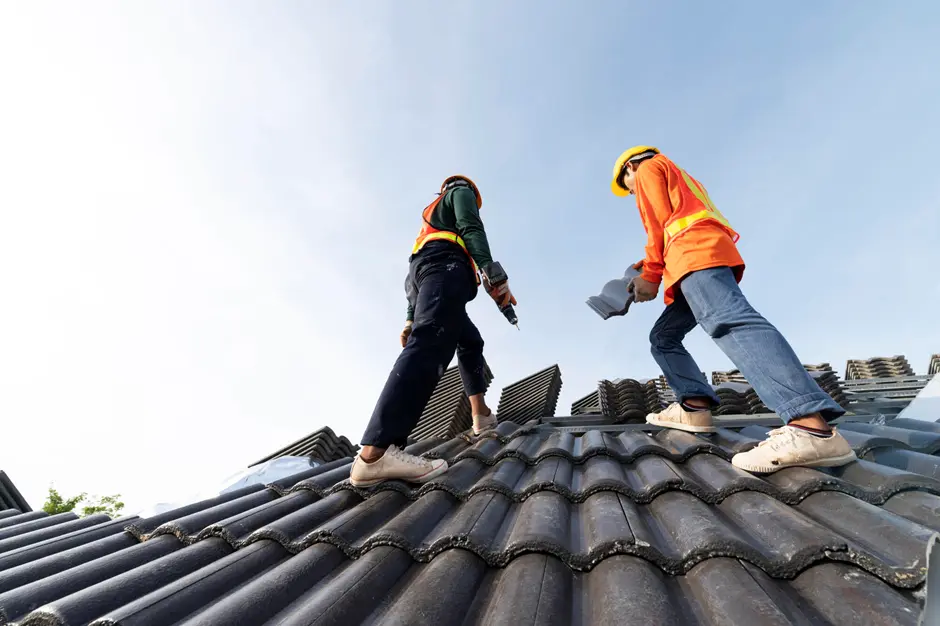
Professional roofers have experience and tools to identify issues that may go unnoticed. They can safely inspect, clean, and repair your roof. Hiring a professional also reduces risks for employees who might otherwise climb on the roof themselves.
For businesses looking for expert help, you may want to click for commercial roofing services in San Diego County to ensure proper care. Professionals can also provide advice on long-term maintenance plans tailored to your roof type.
Safety Measures During Maintenance
Roof maintenance can be dangerous. Safety measures, including harnesses, guardrails, and proper footwear, protect workers. Never attempt major repairs without proper equipment or training. Even routine inspections should follow safety guidelines.
Tracking Repairs and Maintenance
Keeping records of inspections, repairs, and maintenance activities is essential. This history helps track trends and identify recurring issues. Documentation also supports warranty claims and insurance needs. Having a clear maintenance log shows commitment to roof care and helps plan future repairs effectively.
Budgeting for Roof Maintenance
Roof maintenance costs are smaller than emergency repairs or full replacement. Including routine inspections, cleaning, and small fixes in your budget ensures the roof remains in good shape. Planning ahead avoids sudden expenses that can disrupt business operations.
Preventing Leaks Before They Happen
Leaks are a common commercial roof problem. Regular inspections, cleaning, and early repairs prevent most leaks. Pay attention to seams, flashing, and roof penetrations such as vents and skylights.
Keeping these areas in good condition reduces the risk of water entering the building. Preventive care is always easier and cheaper than fixing leak damage afterward.
The Benefits of Long-Term Roof Care
Long-term roof care has many advantages. A well-maintained roof lasts longer, protects assets, and keeps energy costs down by maintaining insulation and reducing heat loss. It also avoids unexpected disruptions that can affect employees and customers. Businesses that take care of their roofs enjoy peace of mind and fewer emergency repairs.
Choosing the Right Maintenance Schedule
Maintenance frequency depends on roof type, climate, and building use. Flat roofs may need more frequent checks than sloped roofs. Harsh climates require seasonal adjustments.
Developing a clear maintenance schedule ensures all tasks are done consistently. Regular attention keeps small issues from turning into costly problems.
Signs Your Roof Needs Immediate Attention
Even with routine care, some problems require immediate action. Sagging, large leaks, missing materials, or structural damage are red flags. Addressing these issues quickly prevents further harm and protects employees and property. Having a plan for emergency repairs helps businesses respond quickly and minimize disruption.
Educating Your Team
Employees can help maintain roof safety. Educating staff about reporting leaks, debris, or unusual changes helps catch problems early. A culture of awareness improves overall roof care. Everyone benefits when staff knows how to spot and report potential issues.
The Environmental Impact of Maintenance
A maintained roof also helps the environment. Proper drainage prevents water damage that could lead to mold or building waste. Efficient roofing systems reduce energy use by maintaining insulation. Sustainable practices in maintenance not only protect the building but also support eco-friendly business operations.
Planning for the Future
Maintenance is about protecting today and planning for tomorrow. Businesses that care for their roofs avoid unexpected replacement costs. They also maintain property value and safety. A proactive approach ensures that your roof continues to support operations for many years.
Keep Your Roof Working for You
A commercial roof is a long-term investment. Proper maintenance protects your building, employees, and assets. Routine inspections, cleaning, early repairs, and professional guidance all work together to extend the roof’s life and performance.
By taking the time to maintain your roof, you save money, avoid stress, and ensure your business stays safe. Read more, stay informed, and make roof care a top priority for your business today.
For more on this content, visit the rest of our blog!
Also Read-How to Simplify the Home Selling Process