
Understanding Whistleblower Protections
Whistleblowers are essential in holding organizations accountable by exposing misconduct, but navigating the legal landscape requires a comprehensive understanding of their rights. The Whistleblower Protection Act of 1989 was enacted to protect federal employees from adverse actions taken against them after they disclose unethical or illegal activities. State and industry-specific laws add layers of complexity, making it vital to seek guidance from professionals such as Brown, LLC whistleblower lawyers who specialize in representing individuals facing these issues.
Legal protection is the foundation, but enforcement and the actual day-to-day realities of coming forward often feel daunting. Knowing your rights under the law is the initial safeguard, guiding you on how and when to report problems and providing a framework for potential recourse should retaliation occur.
Retaliation and Fear of Reprisal
Whistleblowers commonly fear retaliation such as termination, demotion, or workplace hostility. In recent years, some industries have adopted stronger protections. For example, California’s Transparency in Frontier Artificial Intelligence Act was signed to address unique challenges in the AI sector specifically. This law aims to establish a higher standard by enabling employees to voice concerns about risks without fear of career-ending consequences.
Unfortunately, outside of these targeted efforts, reprisals remain a significant reality nationwide. Building an understanding of the rights available and utilizing industry-specific legislation can dramatically affect the ability to respond proactively to intimidation or retaliation.
Financial and Legal Strain
The decision to blow the whistle often results in prolonged legal disputes and costly litigation. Legal expenses alone can escalate rapidly, and many whistleblowers also experience a loss of income or face reduced job prospects. Even when legal victory seems likely, the ongoing process can take a heavy financial toll, and awards aren’t guaranteed or may take years to materialize. Early consultation with an attorney familiar with whistleblower cases can help clarify potential risks and rewards, determine the most appropriate venue for your claim, and develop a mitigation strategy. In addition to financial strain, whistleblowers frequently face emotional stress, workplace retaliation, and damage to their professional reputations. These pressures can affect personal relationships and long-term career trajectories, making the decision even more complex. Understanding available protections under federal and state whistleblower laws is critical to minimizing these risks. With informed legal guidance and careful planning, individuals can better prepare for the challenges ahead while safeguarding both their rights and their future.
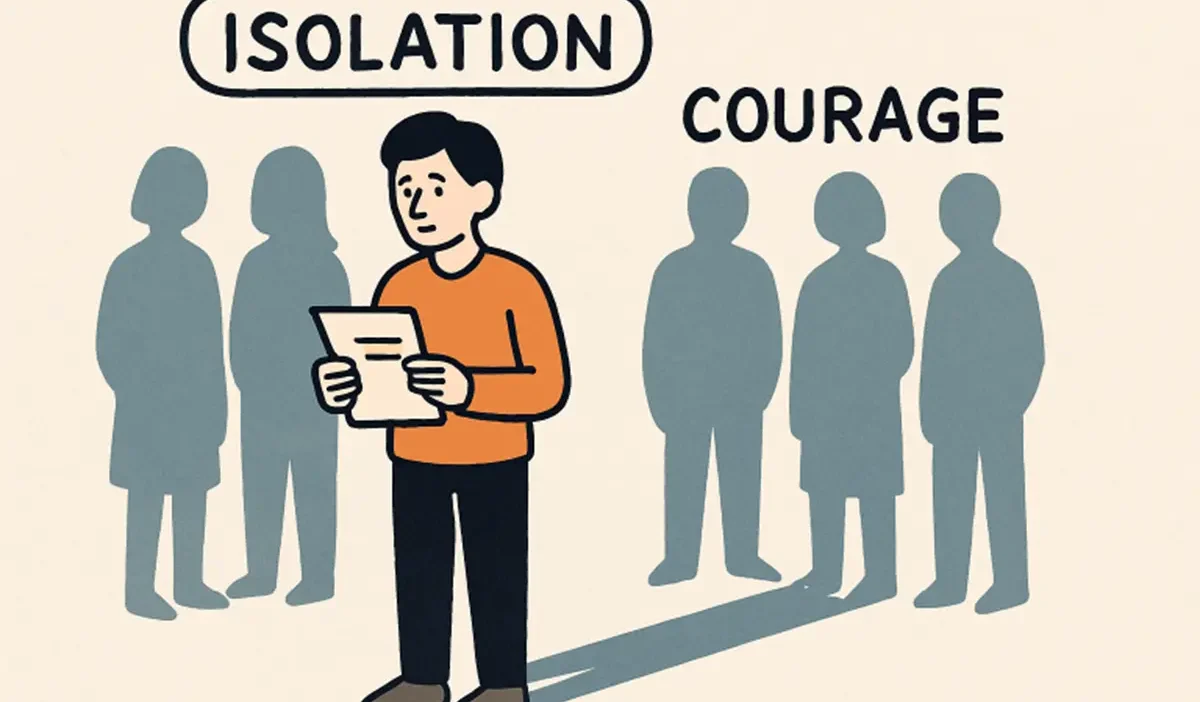
Social Isolation and Mental Health Impacts
The emotional burden is often underestimated. Whistleblowers may find themselves ostracized both within the workplace and socially, as peers distance themselves to avoid backlash by association. Studies show an increased risk of anxiety, depression, and even Post-Traumatic Stress Disorder among those who experience misconduct. Participating in peer support groups or seeking counseling can make a significant difference. Leading publications, such as Psychology Today, provide resources on maintaining mental health and accessing professional help during high-stress periods.
Inadequate Enforcement of Protections
While existing statutes aim to protect whistleblowers, enforcement varies significantly across industries and organizations. Some employers lack robust internal policies for handling whistleblower claims, while others may actively seek to bypass statutory requirements. Inconsistencies can erode trust and set dangerous precedents. Strengthening enforcement requires not only legal reform but also organizational cultural change and improved regulatory oversight. According to reports by The New York Times, even high-profile cases demonstrate how organizational inertia and a lack of accountability can leave whistleblowers exposed, underscoring the need for ongoing advocacy and reform.
Limited Scope of Legal Protections
Many whistleblower laws are narrowly targeted. For instance, the False Claims Act focuses on fraud against the federal government, limiting recourse for employees who uncover other forms of illegal or unethical behavior. As society and technology evolve, new forms of misconduct and gray areas continue to emerge, outpacing traditional statutes meant to provide protection. Advocacy organizations continue to fight for legislation that closes these loopholes and provides blanket protections across industries. As a result, some whistleblowers may find themselves unprotected despite acting in the public interest. This coverage gap can discourage reporting and allow harmful practices to continue unchecked. Expanding and modernizing whistleblower protections remains essential to promoting transparency, accountability, and ethical conduct in both the public and private sectors.
Overcoming Legal Challenges
Consult Legal Professionals
Sound legal advice early on ensures that whistleblowers have a clear understanding of both the protections and potential repercussions they may face. An experienced attorney can help identify which laws apply and determine the best course of action to pursue claims while minimizing exposure.
Document Everything
Detailed documentation—including dates, times, emails, reports, and conversations- is critical when building a strong case. This evidence not only supports your claims but can also deter future retaliation if employers know you are prepared.
Lean on Advocacy Groups
Organizations such as the Government Accountability Project and the National Whistleblower Center offer valuable resources, including legal assistance and peer support. These advocacy groups can also amplify your case and hold organizations accountable.
Be Strategic in Timing and Disclosure
Whistleblowers should consider when and how to disclose information, balancing the urgency of the situation against the need for adequate preparation and personal safety. Coordinating with legal and advocacy professionals often increases the likelihood of a positive outcome.
Final Thoughts
Whistleblowing brings significant risks, but understanding the legal landscape, leveraging supportive resources, and seeking professional guidance can make the path forward clearer. Every act of courage helps foster a culture of accountability and transparency, ultimately contributing to stronger organizations and a fairer society. While the challenges can be daunting, informed preparation empowers whistleblowers to make strategic decisions rather than reactive ones. Access to legal counsel, emotional support, and advocacy networks can significantly reduce isolation and uncertainty throughout the process. By taking deliberate, well-advised steps, individuals can protect themselves while standing up for integrity and the public good.
Also Read-How Technology is Revolutionizing Patient Engagement