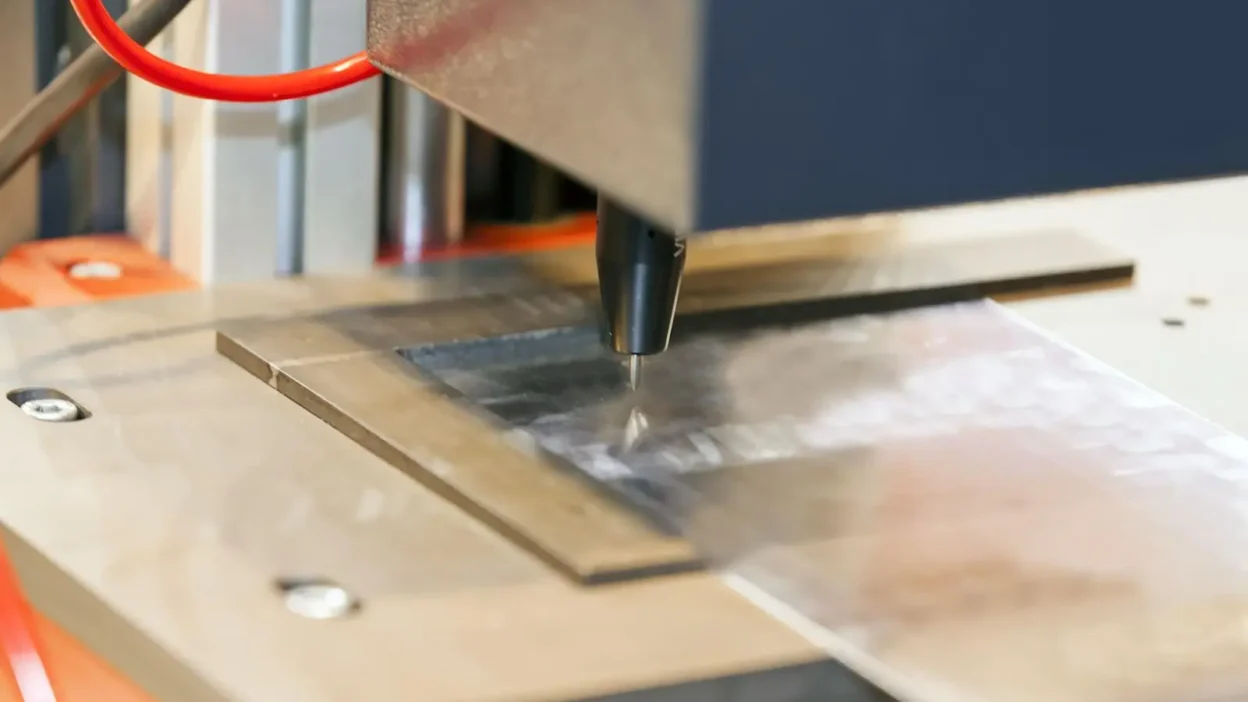
This blog compares classic metal signage making and modern laser cutting. Learn which method delivers better detail, durability, and value.
Have you ever wondered how metal signs are made?
Some are shaped and cut by hand, following old methods passed down for years. Others are made using laser cutting, a modern way that can be very fast and exact. Each method gives a different look, feel, and detail.
Some people love the charm of handcrafting, while others prefer the smooth, sharp edges of laser-cut signs. How do these choices change the style and quality of a sign? Curious about which method fits your project best? Let’s dive in.
Precision
One of the biggest differences between traditional and laser-cut signs is precision. Laser cutting machines can cut metal with extreme accuracy. Every edge is sharp and consistent.
This means that even very detailed patterns come out exactly as designed. Traditional crafting, on the other hand, is done by hand. This can result in small variations in edges and lines.
While these variations may give a handcrafted sign a unique character, they also make it less uniform. If exact precision is important, laser cutting usually has the advantage.
Speed
Time is another major factor. Laser cutting is much faster than handcrafting, especially for complex shapes or designs. The machine can work continuously without tiring, completing jobs in a fraction of the time it would take an artisan.
Traditional crafting is slower because it relies entirely on human skill. Each cut, bend, and detail takes attention and care. For larger projects or multiple signs, laser cutting can save a lot of time while still producing high-quality results.
Detail
The level of detail is closely connected to precision. Laser cutting can create extremely fine and intricate patterns that would be very difficult to do by hand. Small text, delicate shapes, and intricate logos can all be achieved with laser technology.
Handcrafted signs can also be detailed, but it takes more time and skill to reach the same level of fineness. Some people enjoy the slight imperfections of handcrafting because it shows a human touch. Laser cutting, however, gives clean, perfect lines every time.
Material Waste
How much material is used can also differ between the two methods. Traditional crafting may produce more waste because cuts are made by hand, and mistakes or trial pieces can use extra metal. Laser cutting is more efficient.
The machine follows a digital design and can plan cuts to use the metal sheet in the best way possible. Less waste not only saves money on materials but is also better for the environment.
For projects where cost and resources matter, laser cutting can be more practical, especially when producing high-quality custom metal signs.
Finish
The finish of a metal sign changes depending on how it is made. Handcrafted signs often have a rustic, personal look. Small variations in edges or texture give each piece its own character.
Laser-cut signs have smooth, even edges and a very clean finish. This makes them look more modern and precise. Some people prefer the charm and personality of handcrafted signs, while others like the sleek appearance of laser-cut designs. Your choice depends on the style you want for your space.
Customization
Customization is an important factor when choosing a sign. Traditional crafting allows artisans to add one-of-a-kind touches. Each sign can be slightly different, even if the same design is requested.
Laser cutting follows a digital design exactly. Every sign that comes from the same file will look identical. This is useful for businesses that want multiple signs to match perfectly. Handcrafted signs feel more personal, while laser-cut signs give perfect consistency.
Cost
Cost is often a deciding factor. Traditional crafting can be more expensive for large projects because it takes more time and skill. The labor cost adds up quickly, especially for detailed or large signs.
Laser cutting reduces labor costs since the machine does most of the work. However, laser cutting requires specialized equipment and software, which can be expensive to own.
For businesses or individuals producing multiple signs, laser cutting can often be more cost-effective in the long run, helping to save money while maintaining high-quality results.
Durability
Durability is another area to consider. Both handcrafted and laser-cut signs can last a long time. The metal used, and any coatings applied, play a big role in how well the sign resists weather or wear.
Laser-cut edges are less likely to chip or bend because the machine cuts with high precision and heat sealing, which can strengthen the edges. Handcrafted signs can be very durable, too, but their slightly uneven edges may be more prone to minor damage over time.
Reproducibility
Reproducibility is closely tied to both cost and precision. Laser-cut designs can be repeated exactly. Once the digital file is set, every copy is identical to the first.
This is important for businesses or organizations that need multiple signs with the same design. Traditional handcrafting makes each sign unique.
Even if the same pattern is used, small differences will appear with each piece. This uniqueness can be appealing for personal projects, gifts, or artistic displays, but it makes exact duplication difficult.
Skill Requirement
Skill plays a different role in each method. Traditional crafting requires experienced artisans who know how to work with metal, cut shapes, and finish edges carefully. It takes years to master these skills.
Laser cutting requires technical knowledge, but in a different way. Operators must understand software, machine setup, and safety. The skill lies more in designing the file and operating the machine correctly.
Both methods require expertise, but the type of skill needed is very different.
Environmental Impact
The way a sign is made can affect the environment. Traditional crafting may use more energy and produce more scrap metal, which can increase waste. Laser cutting is often more efficient, using less material and producing less waste.
The precise cuts reduce leftover pieces, and some machines are designed to use energy more efficiently. Choosing a method that reduces waste and energy use can make a project more eco-friendly.
For those concerned about sustainability, laser cutting may have a smaller environmental footprint while still creating high-quality signs.
Choosing the Best Metal Sign
Picking between handcrafting and laser cutting depends on what matters most. If you want signs that are exact, fast, and the same every time, laser cutting is a good choice.
If you like signs with character and a personal touch, handcrafted signs work well. Both ways can make strong and nice-looking signs. Knowing the differences helps you pick the right style, cost, and finish for your project.
Did you find this article helpful? You can visit our website for more awesome content like this!
Also Read
- How Technology is Revolutionizing Patient Engagement
- Business Analytics Services as a Strategic Decision Layer
- Commercial Roof Maintenance: A Complete Guide for Businesses