
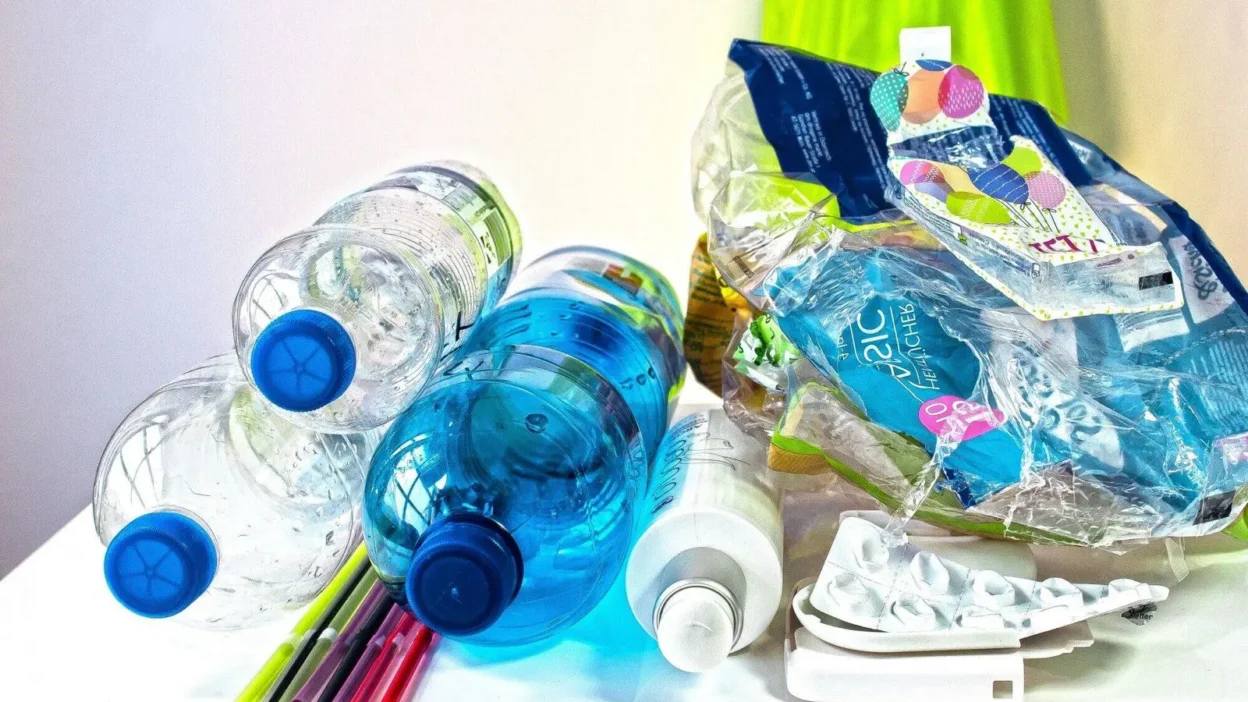
Discover advanced cleaning solutions that improve material quality, increase processing efficiency, and support sustainable recycling workflows.
Plastic waste is a growing problem worldwide. Recycling helps reduce waste, but it needs clean materials to work well. This is where plastic cleaning systems play a key role.
Clean plastic leads to better recycling results. It improves product quality and lowers processing costs. With the right system, recycling plants can work faster and more efficiently.
In this blog, you will learn how plastic cleaning systems work. We will also explore their benefits, types, and future trends. Let’s begin with the basics.
Understanding Plastic Cleaning Systems
Plastic cleaning systems are essential for recycling operations. They help remove contaminants from plastics before recycling. This process ensures the use of high-quality materials.
The primary function of these systems is to wash, rinse, and separate plastics. They can handle various types of plastics, including PET and HDPE. Understanding how they work can lead to better recycling outcomes.
Plastic cleaning systems usually consist of several components. These include washing tanks, conveyers, and drying units. Each part plays a crucial role in maintaining material integrity.
The Benefits of Efficient Plastic Cleaning
Efficient cleaning of plastics offers numerous advantages. It significantly improves the quality of recycled materials. Cleaner plastics lead to stronger, more durable products over time.
In addition to quality, efficient plastic cleaning helps save time. Fast processing reduces cycle times and increases output. This efficiency can lead to a more profitable recycling operation.
Another key benefit is environmental sustainability. Cleaner processes help reduce waste and promote the circular economy. Increasing material reuse minimizes the overall environmental impact.
Types of Plastic Cleaning Systems
There are several types of plastic cleaning systems in use today. Mechanical systems employ physical force to clean materials thoroughly. These systems can be highly effective for removing labels and other contaminants.
Alternatively, chemical cleaning systems utilize detergents and solvents. They can reach surfaces that mechanical methods may miss. This approach is beneficial for hard-to-clean plastics.
Another innovative solution is the eco-friendly cleaning system. This method aims to minimize environmental impact. These systems often use biodegradable detergents and less water compared to traditional methods.
Design Features of Plastic Cleaning Systems
When selecting a plastic cleaning system, design features are vital. The layout should allow easy access for maintenance and inspections. An efficient workflow depends heavily on the system’s design.
These systems also include features like adjustable settings. This flexibility allows operators to customize settings for various plastic types. Effective control ensures optimal cleaning for each batch.
Automated features and sensors can enhance performance. They help monitor the cleaning process and adjust settings in real-time. Such technology ensures a consistent clean every time.
Choosing the Right Cleaning System for Your Needs
Not all plastic cleaning systems are the same. It is essential to match the system to your specific needs. Factors to consider include plastic types and contamination levels.
Budget is another crucial consideration. Systems vary widely in cost, so it’s important to find one within your financial limits. Look for a balance between cost and efficiency.
For those seeking high-quality solutions, consider a plastic recycling washing line. This type of system can effectively meet varying cleaning requirements.
Maintenance and Best Practices
Proper maintenance is key to the efficient operation of plastic cleaning systems. Regular inspections help identify issues before they become serious problems. This proactive approach can save time and money in the long run.
Operators should also perform routine cleaning of the equipment. This keeps systems running at peak performance. Neglected systems may lead to contamination and lower-quality output.
Training staff on best practices in system operation is essential. Well-trained workers will know how to operate the machinery effectively. This knowledge can help avoid operational errors and improve efficiency.
The Role of Technology in Modern Cleaning Systems
Technology plays a critical role in the design and operation of plastic cleaning systems. Advanced sensors can monitor contamination levels in real-time. This information allows for immediate adjustments during the cleaning process.
Automation is another game-changer. Automated systems can handle large volumes of material with minimal human intervention. This increases efficiency while reducing labor costs.
Moreover, data analytics can identify trends in cleaning efficiency. With this data, operators can optimize processes and improve workflows. Technology is making plastic cleaning systems smarter and more efficient.
Integrating Plastic Cleaning Systems into Recycling Workflow
Integrating plastic cleaning systems into the recycling workflow is crucial. Proper placement can enhance the overall efficiency of the recycling process. It ensures that clean materials enter the recycling stream seamlessly.
Collaboration between different departments is also essential. Communication between sorting, cleaning, and processing teams can streamline operations. This teamwork can lead to better overall results.
Regular training and updates are necessary for successful integration. Keeping staff informed about new processes ensures everyone is on the same page. This knowledge can greatly improve workflow and efficiency.
Case Studies: Successful Applications of Plastic Cleaning Systems
Many companies have improved their recycling results with better cleaning systems. They report higher output and better product quality. This shows the value of proper cleaning.
Some plants have reduced costs by improving cleaning steps. They use less energy and water. This also helps reduce the carbon footprint.
These case studies highlight the importance of choosing the right systems. Effective cleaning technologies deliver tangible benefits. Facilities that invest in quality systems usually see significant ROI.
Looking Ahead: The Future of Plastic Cleaning Systems
The future of plastic cleaning systems is bright. With increasing awareness of environmental issues, demand will only grow. Innovations will enable more efficient, eco-friendly cleaning solutions.
Future systems may incorporate advanced technologies, including AI and robotics. These innovations can further enhance cleaning efficiency and data monitoring. As recycling needs change, so will the solutions.
Recycling operators must stay up to date on these advancements. Embracing new technologies can improve operations and sustainability. The future looks promising for those who adapt and evolve.
Maximizing Results with Advanced Plastic Cleaning Systems
Plastic cleaning systems are vital in recycling operations. They improve material quality and support efficient processing. With clean plastic, recycling becomes more effective.
Choosing the right system and maintaining it well is important. It helps reduce costs and improve output. Modern technology also makes systems more reliable.
As the demand for recycling grows, these systems will continue to evolve. They will support better processes and cleaner results. Investing in efficient cleaning systems is a smart step for any recycling operation.
Did you find this article helpful? Visit more of our blogs.
Also Read
- Professional Sanitation Solutions for Business Facilities
- Comparing Metal Signage: Traditional Crafting vs Laser Cutting Tech
- How Inverter Technology Is Changing Home Heating and Cooling