What makes one video feel polished while another feels unfinished? Good editing brings order, clarity, and purpose to every scene. Time-tested techniques still guide the best editors today.
Clean structure and smart choices help videos feel natural and engaging. Small details often make the biggest difference. Strong editing supports the message instead of distracting from it.
By reading this guide, readers will learn proven methods that turn basic footage into professional results. Read on!
Master the Art of Clean Cuts
Clean cuts keep a video moving smoothly and help the story feel natural. Straight cuts are simple, familiar, and trusted by professionals for a reason. They let viewers focus on the content instead of noticing the edit.
Good cuts remove awkward pauses and unnecessary moments. This improves pacing and keeps attention strong throughout the video. Every cut should feel intentional and well-timed.
Clean cuts also support storytelling by highlighting what matters most. They guide the viewer from one idea to the next without confusion. This classic technique remains one of the most important skills in editing.
Use Timelines to Build Structure
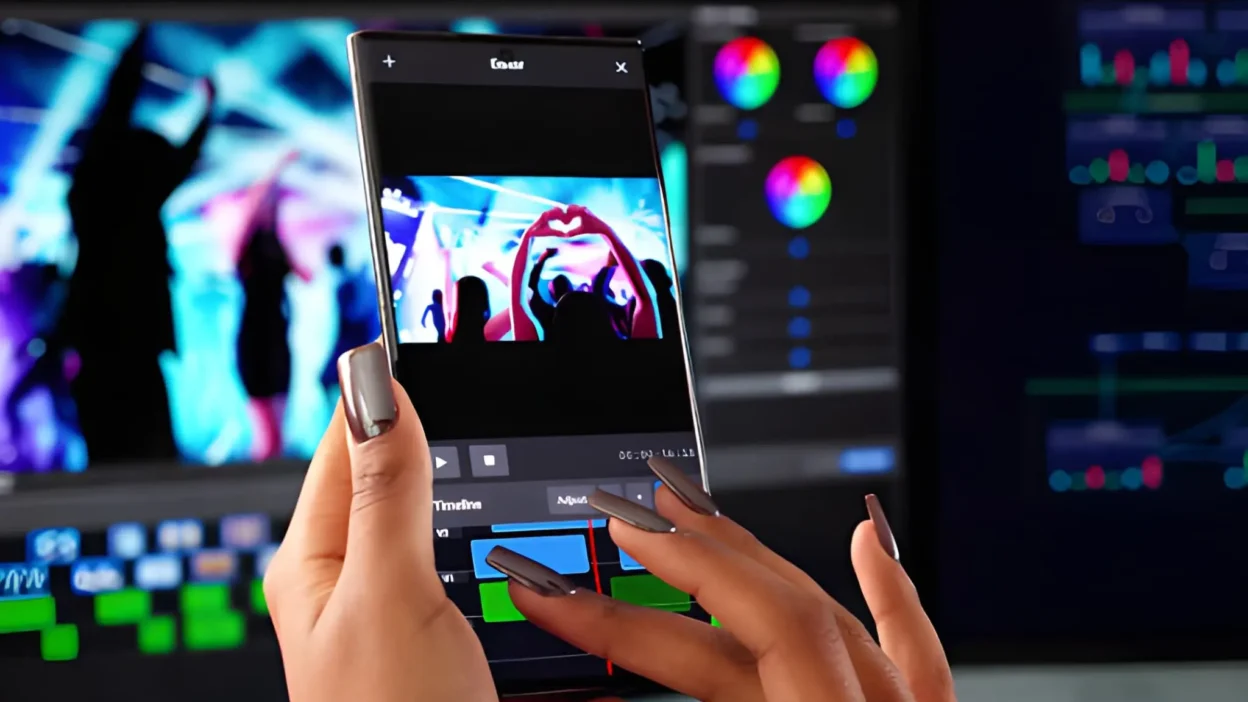
A clear timeline keeps the editing process organized and efficient. Grouping clips by scene or topic makes it easier to see the full story. Traditional editing always starts with structure before adding effects.
Strong structure helps balance the flow between scenes. It prevents videos from feeling scattered or confusing. Each part of the video gets the attention it deserves.
Organized timelines also make changes easier later. Editors can adjust scenes without losing direction. A solid structure turns raw footage into a clear and complete story.
Balance Timing and Rhythm
Timing controls how long each moment stays on screen. Slow pacing creates calm, while faster pacing builds energy. Classic editing values rhythm because it keeps viewers engaged.
With balanced timing, you won’t get bored or feel like scenes are rushed. As long as each clip stays, the whole thing should feel complete. Watching the video is easier when the beat is smooth.
Emotion and meaning are also helped by good timing. Pausing makes important parts stand out. A good rhythm keeps people interested from the beginning to the end.
Enhance Visual Flow with Transitions
Transitions make it easy for scenes to flow into each other. A lot of the time, simple fades and cuts work best. Traditional transitions make viewers feel clean and at ease.
When you use too many transitions, they can take away from the story. Simple options help keep the message in mind. There should be a clear reason for each transition.
Well-chosen transitions also help with tone and mood. Cuts that are sharp and fades that are soft make you feel calm. Thoughtful transitions make the video flow better as a whole.
Refine Sound for Clear Impact
Clear sound gives a video an air of professionalism and makes it more comfortable to watch. In order to be easily understood, dialogue ought to be well-balanced. The traditional method of editing always emphasizes the sound.
Each and every opportunity should be taken to lessen the background noise. It is important that the music complements the visuals without taking away from them. Audiences that are well-balanced maintain their attention and interest.
To add depth and emotion, a good sound design is essential. The use of subtle effects enhances the sense of realism without being irritating. The addition of powerful audio transforms low-quality footage into a polished final product.
Apply Color Correction for Consistency
With the help of color correction, all of the clips appear more natural and balanced. Consistency in appearance can be achieved by adjusting the brightness and contrast. Rather than putting an emphasis on heavy effects, traditional methods prioritize realism.
Keeping the color consistent helps viewers remain immersed in the video. Visual distractions can be avoided by coordinating tones between different scenes. Most of the time, the best results come from making relatively minor adjustments.
Additionally, mood and storytelling are supported by color. Warm tones have an inviting quality, whereas cool tones have a calming or serious quality. Choices of color that are thoughtfully made strengthen the overall message.
Focus on Storytelling Through Sequencing
Both the appearance of scenes and the progression of the story are determined by the sequencing. A straightforward sequence makes it easier for viewers to comprehend the message. There is a beginning, a middle, and an end that are all logically connected in traditional storytelling.
Confusion is eliminated, and interest is maintained when the sequence is done correctly. Each scene must build naturally on the one that came before it. Because of this, flow and meaning are created.
Strong sequencing also increases the emotional impact of the message. When they are positioned appropriately, significant moments possess a greater sense of power. Through careful sequencing, clips can be transformed into an engaging narrative.
Remove Distractions for Professional Finish
Distractions weaken the quality of a video. Extra clips, long pauses, and repeated shots should be removed. Editors often trim a video to keep the message clear.
Decluttering a space makes it easier to pace and concentrate. Every moment ought to have a reason for existing. This straightforward approach reflects the traditional values of editing.
A clean final cut exudes an air of self-assurance and refinement. The viewers maintain their concentration on the most important aspects. The difference between average and professional results is the level of precision that is achieved.
Add Titles and Text with Purpose
Explanations and organization of content are aided by titles and text. Uncomplicated fonts and uncluttered layouts continue to be the best option. Readability and equilibrium are the primary concerns of traditional design.
The text should not overpower the visuals but rather support them. The audience is able to read in comfort when the timing is correct. Having a clear placement helps improve comprehension.
Communication is strengthened by text that serves a purpose. Titles serve to direct viewers, while captions emphasize the most important points. A professional appearance can be achieved through careful design.
Key Editing Techniques To Elevate Your Video Projects
Editing turns unprocessed video into stories that are clear and make sense. A strong base is made up of clean cuts, strong structure, well-balanced timing, and simple transitions. Sound improvement, color consistency, and well-thought-out sequencing all make the quality and interest better.
Clearness and polish are gained by getting rid of distractions and adding text that serves a purpose. The final review makes sure that every detail feels complete and on purpose. When you use these tried-and-true methods, you get professional results that last.
Did you like this guide? Great! Please browse our website for more!
Also Read-Flexible Funding Solutions for Modern Businesses