
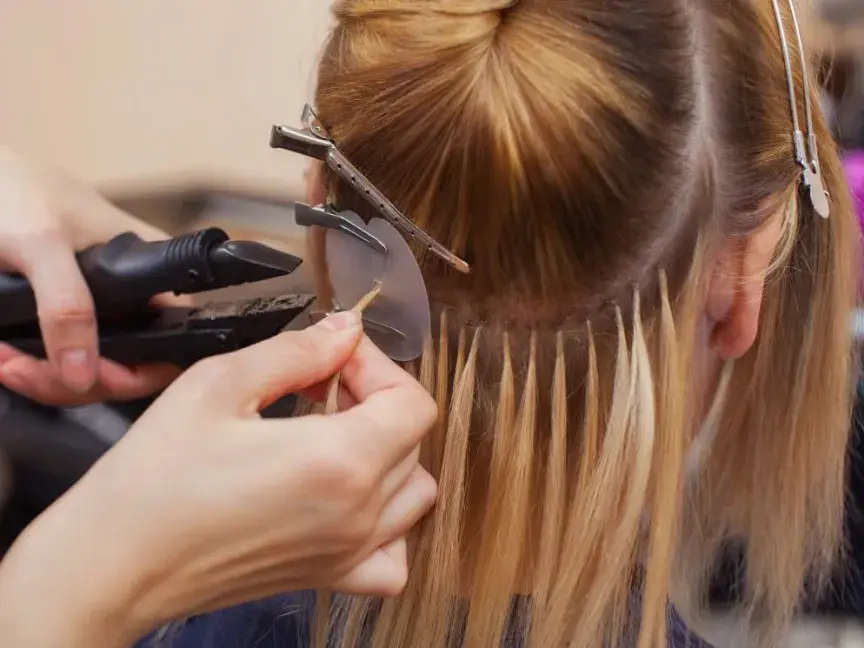
San Francisco’s beauty landscape has evolved dramatically over the past decade, with hair extensions emerging as one of the most sought-after services in the city’s salons. From the Marina to the Mission, stylists report that clients increasingly view extensions not as a luxury, but as an essential tool for achieving their desired aesthetic. The city’s unique blend of tech professionals, creatives, and fashion-forward residents has created a sophisticated market where quality and natural results matter more than ever.
This guide explores everything you need to know about hair extensions in San Francisco—from understanding different application methods to finding skilled specialists who can deliver results that look authentically yours.
How Hair Extensions Became a Modern Essential
The practice of adding hair for volume and length stretches back millennia. Ancient Egyptians wore elaborate wigs and extensions as markers of social standing, while indigenous cultures worldwide developed their own methods of hair augmentation tied to spiritual and cultural significance.
What’s changed dramatically is accessibility and technique. Modern extensions bear little resemblance to the obvious, uncomfortable pieces of previous generations. Today’s methods use premium human hair that blends seamlessly with natural texture, applied through techniques that distribute weight evenly and minimize stress on existing strands. The industry has shifted from creating obvious transformations to achieving results so natural that even hairstylists struggle to detect quality work.
This evolution reflects broader changes in beauty culture—a move away from dramatic, one-size-fits-all solutions toward personalized enhancements that work with individual hair types, lifestyles, and aesthetic goals.
Why San Francisco Leads in Extension Innovation
The Bay Area’s approach to hair extensions differs notably from other major cities. Several factors contribute to San Francisco’s reputation as a destination for quality extension work:
- Technical Expertise Across Hair Types: The city’s demographic diversity means stylists regularly work with straight, wavy, curly, and coily textures. This breadth of experience translates to better color matching, more secure application, and realistic blending regardless of your natural hair characteristics.
- Quality-Over-Volume Culture: San Francisco clients typically prioritize natural results over dramatic transformations. This preference has pushed salons to invest in premium hair sources and advanced training rather than competing on price or speed.
- Early Adoption of New Methods: The city’s tech influence extends to beauty services. San Francisco salons were among the first to adopt hand-tied weft techniques, invisible bead methods, and damage-free removal systems that have since become industry standards.
- Transparency Standards: Bay Area clients expect detailed consultations, honest assessments about what’s achievable, and clear maintenance requirements—raising the bar for professional communication across the industry.
Understanding Your Extension Options
Choosing the right extension method depends on your hair’s current condition, your styling habits, and how much maintenance you’re willing to manage. Here’s what distinguishes the main approaches available in San Francisco:
- Tape-In Extensions: Thin wefts attached with medical-grade adhesive sit flat against the scalp, making them virtually undetectable. They work particularly well for fine or thin hair that can’t support heavier methods. Reapplication every 6-8 weeks is standard, with the same hair often reusable for multiple applications.
- Hand-Tied Wefts: Considered the premium option for long-term wear, these extensions are sewn onto small, horizontal braids created from your natural hair. The hand-tied construction creates an ultra-thin weft that lies completely flat. Maintenance appointments every 8-10 weeks involve moving the wefts up as your hair grows.
- Micro-Link (I-Tip) Extensions: Individual strands attached with tiny metal beads offer maximum flexibility for highlighting and color variation. The application is time-intensive but creates the most natural movement. Best suited for clients with medium to thick hair density.
- Clip-In Extensions: The only truly temporary option, quality clip-ins can be applied and removed daily. While they require more styling skill to blend seamlessly, they offer complete flexibility and zero commitment—ideal for special occasions or testing whether you want to pursue permanent extensions.
Finding a Qualified Extension Specialist
The difference between excellent and mediocre extension work often comes down to the specialist’s experience and ongoing education. San Francisco’s competitive salon market means credentials matter, but knowing what to look for requires some guidance:
- Certification and Training: Ask about specific extension brand certifications (Bellami, NBR, Habit, etc.) and how recently they completed advanced training. The best specialists attend workshops annually to learn new techniques and products.
- Specialization Depth: A stylist who does extensions occasionally differs significantly from one who focuses primarily on extension work. Look for specialists who dedicate at least 60% of their appointments to extensions.
- Portfolio Diversity: Review before-and-after photos that show work on hair similar to yours in texture, density, and color. Be wary of portfolios showing only one hair type or overly filtered images.
- Consultation Approach: Quality specialists conduct thorough consultations that include scalp examination, hair health assessment, and realistic discussion of what’s achievable. They should turn away clients whose hair isn’t healthy enough for extensions.
- Maintenance Support: Ask about follow-up care, adjustment policies, and how they handle issues between appointments. The relationship doesn’t end when you leave the chair.
San Francisco salons with stylists who specialize primarily in extension work include Bond Hair Bar, Glam Seamless, and specialists searchable through StyleSeat. Asking what percentage of a stylist’s appointments involve extensions—rather than accepting general ‘experience’ claims—confirms whether their expertise reflects true specialization or occasional practice.
Also Read-How Technology is Revolutionizing Patient Engagement