
In today’s hyper-competitive ecommerce landscape, the difference between a thriving online store and one that gets lost in the digital noise often comes down to the ability to make informed, data-backed decisions. Data-driven SEO has emerged as a cornerstone strategy, allowing brands to move beyond instinct and guesswork and directly align optimization efforts with their customers’ behaviors and needs. Businesses looking to carve out a space in the digital market can benefit greatly from specialized eCommerce SEO strategies designed to boost visibility and drive qualified traffic.
As search engines continuously evolve, optimizing for visibility demands a blend of analytics, creativity, and adaptability. Brands that embed data into their decision-making processes gain valuable insights into what their audiences truly want, how they interact with online content, and what ultimately leads to conversions. This fusion of data and SEO fosters continuous improvement and sustainable success for e-commerce companies.
Understanding how to gather, interpret, and act on measurable data points is essential for scaling your e-commerce business. Employing a data-driven approach not only enhances search engine rankings but also optimizes user experience, delivering the right content to the right audience at the right time. By adopting these strategies, e-commerce businesses can ensure long-term growth amid increasing competition.
The foundation of a robust ecommerce SEO strategy rests on continuous monitoring, agility, and a commitment to meeting both consumer expectations and search engine requirements. In practice, integrating data-driven insights helps businesses identify opportunities for optimization, evaluate performance in real time, and adjust tactics for maximum impact.
Understanding Data-Driven SEO
Data-driven SEO leverages robust analytics and behavioral insights to develop and refine optimization strategies for e-commerce stores. Rather than relying on intuition or broad industry trends, data-driven SEO starts by analyzing real audience data such as search queries, click patterns, and conversion statistics to shape site structure, content development, and marketing initiatives. This approach encourages brands to step away from outdated practices like indiscriminate keyword stuffing and shift their focus to the intent and behaviors of actual customers.
Importance of Data in SEO Strategies
Data is the linchpin of effective SEO for e-commerce businesses. By integrating analytics into every facet of an SEO campaign, companies gain a comprehensive view of what drives demand and which tactics deliver return on investment. Data integration allows e-commerce brands to:
- Pinpoint the keywords that generate meaningful traffic and conversions.
- Understand which content topics are most likely to resonate with their audience.
- Fine-tune on-page experience and site architecture based on quantifiable user actions.
The ability to mine, interpret, and apply accurate data enables businesses to make strategic decisions that produce better rankings, boost engagement, and drive real business growth. According to Search Engine Land, ongoing data analysis is fundamental for adapting to ever-evolving search algorithms and shifting consumer behavior.
Key Metrics to Monitor
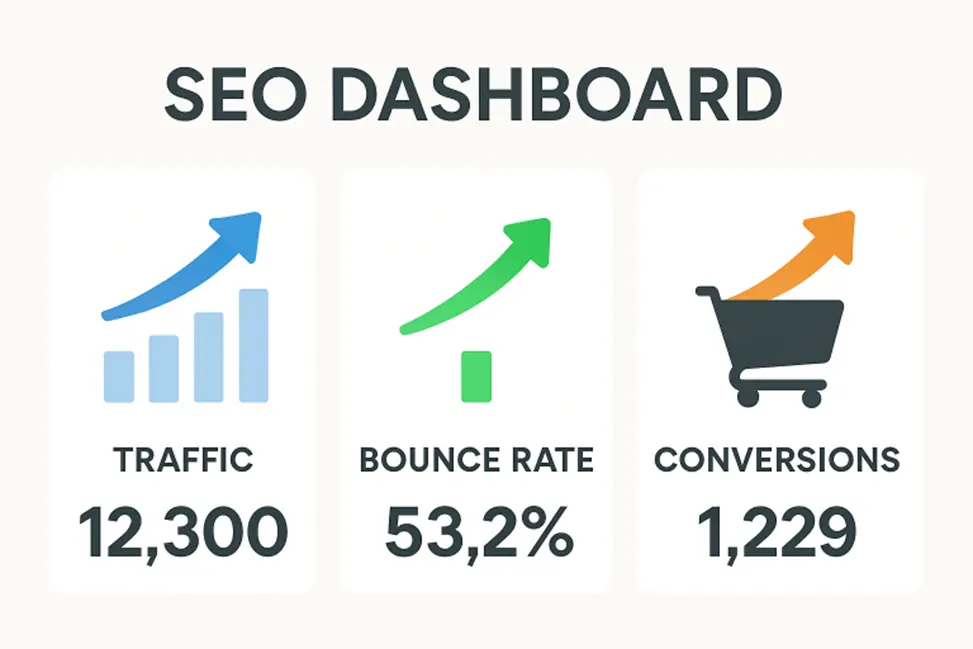
Tracking the right metrics is critical for actionable data-driven SEO. Ecommerce businesses should monitor:
- Organic Traffic: The count of visitors arriving via non-paid search an indicator of effective keyword targeting and content relevance.
- Click-Through Rate (CTR): Measures the percentage of users who click through to your site from the search results page.
- Bounce Rate: Shows how many visitors leave after viewing a single page, reflecting the alignment between your content and their search intent.
- Conversion Rate: Evaluates what proportion of visitors complete desired actions, such as making a purchase or joining a newsletter.
Regularly reviewing these metrics helps businesses zero in on what works, what needs to change, and how to create a seamless experience from discovery to conversion. For additional context on the importance of SEO analytics, the Moz Blog offers comprehensive resources on best practices.
Implementing AI-Powered Analytics
Artificial Intelligence (AI) has taken ecommerce SEO to new heights by automating labor-intensive tasks and surfacing powerful insights. AI-powered tools can:
- Forecast future search trends and seasonality patterns for more precise content planning.
- Synthesize massive datasets to deliver clear, actionable recommendations.
- Enable dynamic personalization, tailoring product recommendations or content blocks based on user profiles and activities.
By leveraging AI, digital marketers can gain an in-depth understanding of customer preferences and emerging opportunities, ensuring their SEO efforts remain proactive and relevant.
Leveraging User-Generated Content
User-generated content (UGC) is a powerful driver of ecommerce SEO, as authentic reviews, testimonials, and customer-submitted photos provide a continuous stream of fresh, relevant content that search engines value. UGC validates your brand in the eyes of other potential buyers and search algorithms, fostering credibility and trust. Implementing incentives for customers to leave feedback, participate in Q&A, or post product images can:
- Enrich product pages with unique, detailed information.
- Boost engagement rates by showcasing real customer experiences.
- Enhance search rankings due to the constant influx of fresh content.
Intelligent moderation and integration of UGC can also surface long-tail keyword opportunities and address specific user concerns, amplifying your site’s overall SEO strength.
Case Study: Successful Ecommerce SEO Implementation
A mid-sized electronics seller recently transformed their SEO performance by standardizing product data and incorporating structured markup. Within months, the retailer achieved a 30% jump in organic search visibility and saw a 20% higher click-through rate from enhanced results. This case demonstrates that even moderate investments into data-driven processes can yield significant improvements in organic reach, user engagement, and sales.
Future Trends in Data-Driven SEO
- Voice Search Optimization: As smart speakers and voice assistants become more prevalent, optimizing for natural, conversational queries will be crucial.
- Advanced AI and Machine Learning: The next generation of AI-powered tools will offer deeper consumer insights and automate optimization efforts more effectively than ever before.
- Mobile-First Indexing: The growing dominance of mobile commerce means search engines will continue to prioritize mobile-friendly sites, making responsive design and mobile optimization pivotal components.
Keeping pace with these advancements positions e-commerce businesses at the forefront of search visibility and consumer preference.
Conclusion
Data-driven SEO serves as the foundation for scalable, sustainable e-commerce growth. By leveraging analytics, AI-powered solutions, and user-generated content, businesses can expand their online presence, engage new and existing customers more effectively, and build lasting brand authority. As the ecommerce space evolves, brands that prioritize data-driven optimization will be best equipped to thrive in a highly dynamic digital world.
Also Read-How to Sell Your House Fast Without a Realtor