Regular dental exams protect your health and your wallet. You may ignore small tooth pain or bleeding gums. Then the problem grows. Routine visits catch these quiet warning signs early. A simple cleaning or small filling costs less than a root canal or crown. It also causes less stress. Regular exams help you keep your natural teeth longer. They also lower your risk of sudden toothaches that disrupt work, school, or sleep. During a checkup, a dentist in West Chester, OH checks your teeth, gums, and mouth for decay, infection, and signs of grinding. Early care stops small issues from turning into emergencies. You gain clear answers, a simple plan, and less fear of surprise bills. With steady exams, you stay in control of your mouth, your time, and your money.
Why small dental problems grow fast
Tooth decay and gum disease start small. You may not feel them. You may see only slight color changes or puffiness. Then bacteria spread. A tiny soft spot in the enamel can reach the inner nerve. Swollen gums can pull away from teeth and form deep pockets. By the time you feel sharp pain, the damage is often large and costly to fix.
Routine exams catch this early chain of events. You give your dentist a chance to treat problems when they are still simple. You also avoid the emotional strain that comes with sudden pain and rushed treatment choices.
What happens during a regular dental exam
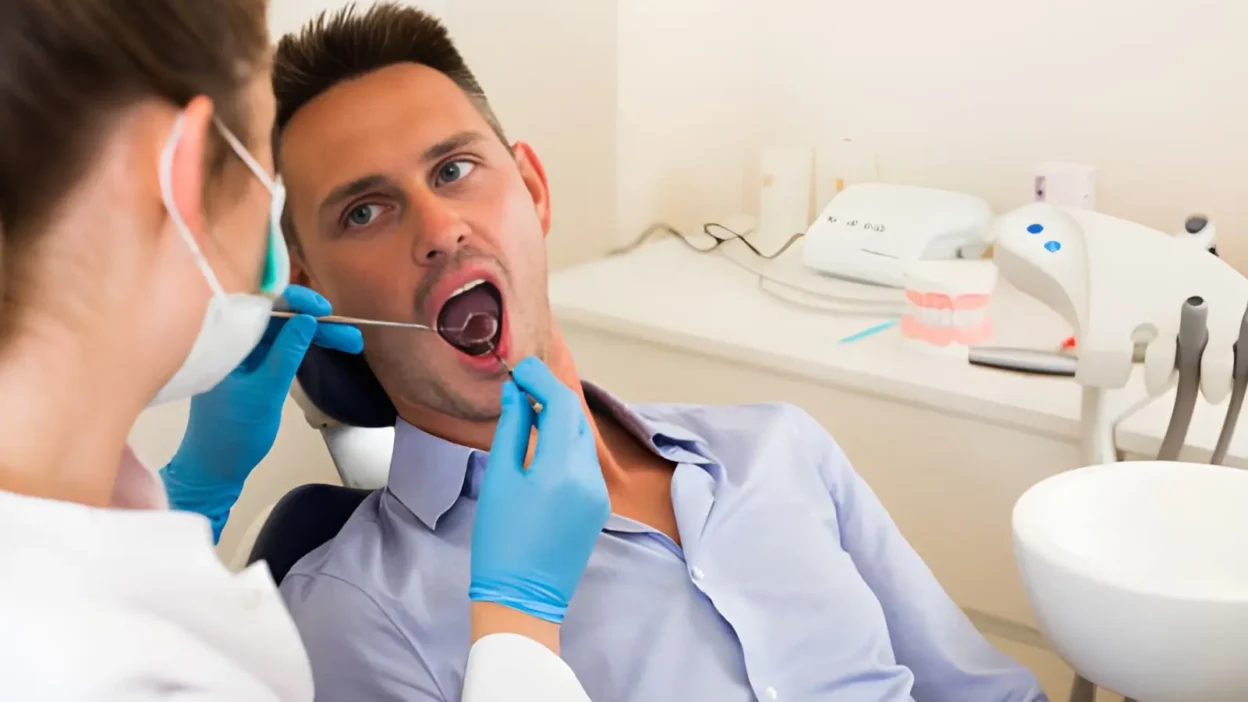
A standard exam is simple and quick. You stay in control the whole time. Most visits include three basic steps.
- Cleaning to remove plaque and tartar
- Exam of teeth, gums, tongue, and cheeks
- X-rays, when needed to see hidden decay or bone loss
During the visit, the dentist and hygienist look for three main things.
- Early tooth decay
- Early gum disease
- Signs of clenching, grinding, or mouth injury
This simple process helps you avoid many common treatments that cost more money and time. The Centers for Disease Control and Prevention (CDC) explains that untreated decay and gum disease often lead to infection and tooth loss. Regular exams break that pattern.
How regular exams save money over time
Many people delay cleanings to save money. That choice often backfires. A missed seventy or one hundred dollar cleaning can lead to a thousand dollar or higher treatment later. The pattern is clear. Early care costs less. Late care costs more.
Typical pattern of dental costs for one tooth
| Stage | Problem | Common treatment | Relative cost level |
|---|---|---|---|
| Early | Small cavity found at exam | Simple filling | Low |
| Middle | Large decay with pain | Large filling or crown | Medium |
| Late | Infection or abscess | Root canal and crown or extraction | High |
Costs vary by clinic and region. The pattern holds across the country. You pay much less when decay is still small. You also keep more of your own tooth and lower the chance you will need more work on that tooth later.
Benefits for children, adults, and older adults
Every age group gains something different from regular exams. Yet the goal stays the same. You keep teeth strong and avoid surprise costs.
- Children. Exams guide jaw growth, tooth spacing, and brushing habits. Sealants and fluoride protect weak spots. Early care can prevent braces or extractions later.
- Adults. Exams catch stress grinding, early gum disease, and broken fillings. You avoid missed work days and sudden large bills.
- Older adults. Exams help manage dry mouth from medicine, loose teeth, and denture fit. This lowers the risk of tooth loss and poor chewing.
The National Institute of Dental and Craniofacial Research shows that untreated decay is common in both adults and older adults. Regular exams cut that risk. They also protect speech, eating, and social comfort.
How exams prevent emergencies
Dental emergencies are painful and expensive. They often start with small, ignored signs. You may notice brief cold sensitivity, bleeding when you floss, or a chipped tooth that seems minor. Without care, these grow into swelling, infection, or broken teeth.
Regular exams prevent many of these emergencies. You gain three strong protections.
- Early treatment of weak spots before they break
- Cleaning that removes tartar that causes gum infections
- Review of habits like nail biting or grinding that crack teeth
You also gain a clear record with your dentist. That helps if an accident happens. Your dentist already knows your mouth and can guide you faster and more safely.
Simple steps to get the most from each visit
You can increase the value of every exam with a few habits. These steps are simple for most families.
- Schedule exams twice a year or as your dentist suggests
- Bring a list of all medicines and health conditions
- Write down questions about pain, bleeding, or bad breath
- Ask for clear costs and treatment choices before work starts
- Follow the home care plan for brushing, flossing, and diet
These actions help your dentist spot patterns. They also help you avoid confusion and fear about money or treatment steps.
When you feel nervous about going
Many people fear dental visits because of past pain or financial stress. That fear is real. It can keep you from caring until a crisis hits. Then you face more pain and higher costs.
You can take three small steps.
- Tell the office staff you feel nervous. Ask for extra time to talk before treatment.
- Start with a simple exam and cleaning, not major work.
- Ask for clear, plain words about what will happen and why.
Each good visit replaces some fear with trust. Over time, exams feel routine. You stop bracing for bad news. You feel more control and less shame.
Key message for your family
Regular dental exams are not a luxury. They are a smart money choice. They stop small problems before they turn into painful, expensive treatments. They protect your ability to eat, speak, and smile without worry. When you keep up with exams, you invest in calm days, steady health, and fewer surprises for your whole family.
Also Read
- Comparing Metal Signage: Traditional Crafting vs Laser Cutting Tech
- Clear Legal Guidance for Strong Business Agreements
- Why a Home-Like Setting in Senior Living Improves Comfort, Well-Being, and Quality of Life