
Introduction
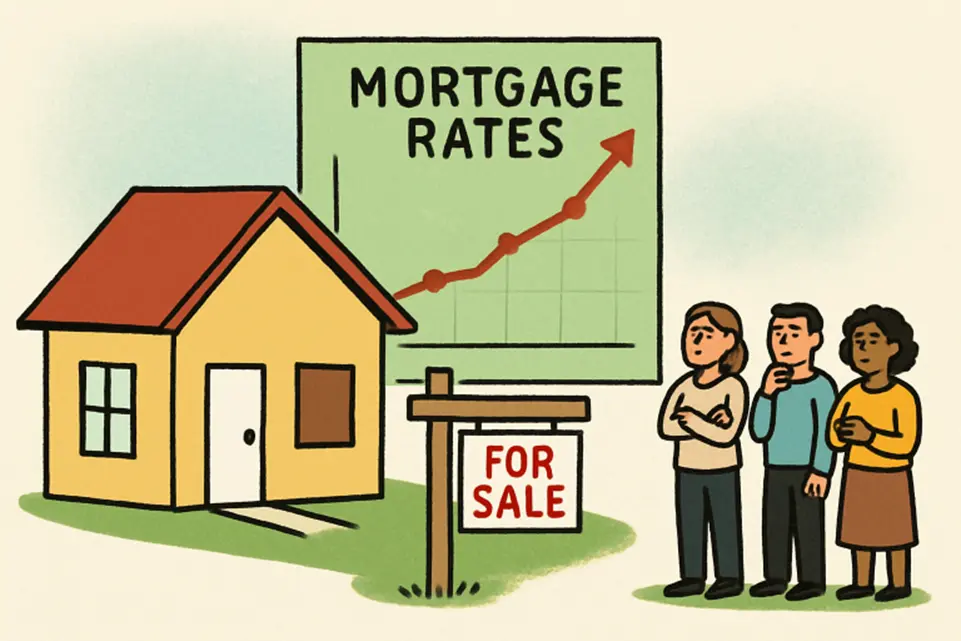
The real estate market is facing one of its most turbulent periods in recent memory as mortgage rates continue to climb. This environment is forcing both buyers and sellers to reevaluate their approaches and expectations, fundamentally shifting how homes are bought and sold. Whether you’re considering listing your property or searching for a new home, understanding these market dynamics is crucial for making informed choices. For those seeking guidance or needing to move quickly in this dynamic market, https://www.ateambuyshomes.com/ offers valuable resources tailored to both buyers and sellers.
Unlike past real estate cycles where either demand or supply surged, the changing math of affordability regulates today’s market. The effects reach across the U.S., from seasoned homeowners delaying their next steps to first-time buyers strategizing their entry into the market. In this moment of market transformation, aligning your home buying or selling journey with current conditions will ensure better results and greater peace of mind.
The Impact of Rising Mortgage Rates on Home Sales
Mortgage rates, now hovering near recent highs, have had a pronounced chilling effect on home sales. According to the National Association of Realtors, existing home sales fell by almost 19% in 2023 to just over 4 million transactions—the lowest annual count since 1995. This downturn is directly tied to higher borrowing costs, with many would-be buyers forced to delay or abandon their purchase plans. The result? Sellers are seeing fewer serious offers and longer listing times in many regions.
This environment has also introduced new risks. With affordability stretched and mortgage payments constituting a significantly larger share of household income, buyers face the double challenge of higher monthly costs and stricter lending standards. For sellers, accurately pricing homes and offering incentives have become increasingly important in attracting qualified buyers.
The “Lock-In Effect” and Its Consequences
Unprecedented numbers of homeowners are now affected by the “lock-in effect.” This occurs when owners—many of whom secured low-rate mortgages during the previous decade—are reluctant to sell and give up their advantageous rates.
As a result, the number of homes available for sale has contracted sharply. This scarcity isn’t just a macroeconomic statistic—it has day-to-day consequences, such as increased competition for the few homes that do come to market, and more buyers moving towards rentals or new builds as alternatives. Many neighborhoods now experience bidding wars over limited listings, and some prospective sellers are holding out in hopes of future rate reductions before making a move. Local experts, such as those in Chicago, IL A Team Real Estate Solutions, help homeowners navigate these market challenges by offering tailored strategies and alternative selling options designed to move properties efficiently, even amid tight inventory conditions.
Resilience of Home Prices Amidst Reduced Demand
Despite the pronounced drop in transaction volume, home prices have proven unexpectedly resilient. The basic laws of supply and demand are at play here: low inventory, even with subdued demand, keeps prices buoyant in many markets. According to a Wall Street Journal analysis, prices remain higher year-over-year in most major metropolitan areas, defying expectations of a dramatic correction.
This persistence is primarily attributed to the acute shortage of homes. Sellers continue to benefit from a competitive environment, especially if their properties are well-maintained and move-in ready. However, buyers are increasingly price sensitive and are making more calculated offers, with contingencies and inspection requirements often playing a central role in negotiations.
Shift Towards New Construction
One of the most significant shifts in the market is the increased emphasis on new construction. With the existing home inventory tight, prospective buyers are turning to homebuilders in record numbers. As reported in The New York Times, new home starts have climbed as builders respond to buyer demand that can no longer be met by the resale market alone.
Developers are not only building more homes—they are also offering creative financing options, incentives, and customizations that aren’t possible in the resale space. This preference for new builds is particularly strong among younger families and first-time buyers, who seek modern amenities, energy efficiency, and certainty regarding their purchase timeline. As new neighborhoods rise, local markets are being reshaped, and the traditional division between resale and new housing is evolving.
Adapting Strategies for Buyers and Sellers
For Buyers
In this rapidly evolving market, buyers need to approach their search with flexibility. Considering a broader range of neighborhoods, evaluating new construction options, and ensuring mortgage pre-approval are now fundamental steps. Buyers should also remain vigilant about home inspections and market trends to align their offers with current conditions.
For Sellers
Sellers, meanwhile, must carefully balance timing and pricing. Given the reduced buyer pool and heightened concerns about affordability, accurately valuing your property and preparing it for the market are more essential than ever. Working with a local expert who understands the specific dynamics of your neighborhood can result in better positioning and a more successful sale.
Final Thoughts
The latest rise in mortgage rates is driving a fundamental transformation across the housing market. From the lock-in effect to resilient home prices and the ascendance of new construction, the current climate demands agility, knowledge, and realistic expectations from all participants. Staying informed and targeting appropriate resources is the surest way to succeed in today’s challenging real estate landscape.
Also Read-How to Simplify the Home Selling Process