
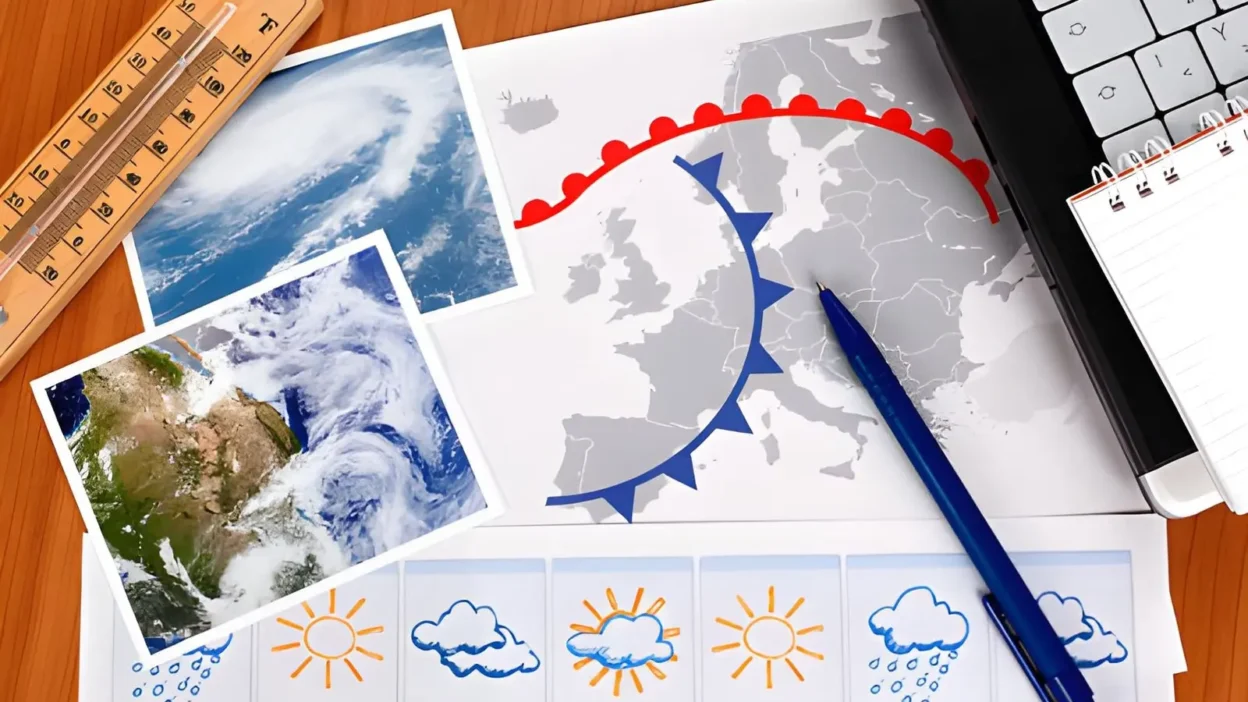
If you travel often enough, sooner or later the weather interferes with your plans. It might be a winter storm that shuts down an airport. Or maybe strong winds that delay flights. Or even heavy rain that causes widespread cancellations. Whatever the cause, the result is usually the same – long lines, confused passengers, and suddenly uncertain schedules.
While bad weather is completely outside a traveler’s control, how you prepare for it isn’t. A few smart decisions before and during your trips makes all the difference – particularly if the forecast takes a turn for the worse. In many cases, the travelers who experience the least stress are simply the ones who planned ahead.
Below are three practical ways to protect your travel plans when the weather doesn’t cooperate.
Secure Insurance Early
Travel insurance is one of those things many people consider optional – right up until they need it. When everything goes smoothly, it feels like money you didn’t really need to spend. But if a major storm disrupts your itinerary, having the right coverage saves both time and money.
Timing matters more than most travelers realize. Insurance is generally most effective when it’s purchases shortly after booking your trip. Many policies only cover weather-related disruptions if the coverage was in place before the event became widely known. In other words, buying insurance after a storm has already been forecast may limit what you’re able to claim.
This is why frequent travelers tend to arrange coverage early in the planning process. Doing so means you’re protected if flights are cancelled, if connections are missed, or if you’re forced to extend your stay because of weather delays.
When comparing policies, pay attention to the details. Coverage varies widely from one provider to another – some plans reimburse hotel stays or meals during long delays, while others focus mainly on cancelled bookings. A policy that includes trip cancellation insurance also helps recover the cost of non-refundable reservations if severe weather prevents you from traveling altogether.
It may not be the most exciting part of planning trip, but it’s often one of the most useful – if not the most useful – when things go wrong.
Be Proactive with Airlines
When a storm begins affecting travel schedules, timing becomes critical. Airlines move quickly to adjust routes, cancel flights, or delay departures when weather conditions worsen. At the same time, thousands of travelers are trying to rebook their flights.
That’s why waiting for updates sometimes puts you at a disadvantage.
A better approach is to monitor the situation yourself. Check weather forecasts. Do this for both your departure city and destination in the days leading up to your flight. If storms are predicted, visit your airline’s website. There are also mobile apps. These tools will display any travel advisories, if they have been issued.
Airlines often allow passengers to change flights without standard fees when severe weather is expected. These flexible rebooking windows typically open before the worst conditions arrive. This gives proactive travelers an opportunity to adjust their schedules early.
It also helps to look up alternative flights. Do so before contacting customer service. Knowing which routes might work saves time when you finally reach an agent. Instead of starting from scratch, you’ll already have a few possible options in mind.
If you do find yourself at the airport during widespread delays, patience becomes essential. Airline staff are usually dealing with hundreds of passengers at once. These passengers will likely be frustrated – and understandably so. Staying calm won’t change the weather, but it often leads to faster and more helpful assistance.
Know Your Rights
One of the most common misunderstandings in air travel is the idea that airlines must always compensate passengers for cancellations or delays. In reality, the rules depend heavily on the cause of the disruption.
Weather events are generally considered outside the airline’s control. This should be obvious. Because of that, compensation isn’t always required when storms force flights to be cancelled or delayed. Safety decisions take priority. Airlines aren’t typically penalized for grounding flights during dangerous conditions.
That said, travelers are still entitled to certain options.
If your flight is cancelled, then the airline will often offer to place you on the next available flight to your destination. In some cases, you may also choose to receive a refund instead. During long delays – particularly overnight ones – airlines sometimes provide meal vouchers or hotel accommodations, although policies vary.
Check the passenger protection rules, too, if you’re traveling internationally. Regulations differ depending on where the journey begins. Some regions provide stronger protections than others.
To conclude, bad weather has always been part of travel. That’s a fact. Just like it always will be – another fact. Storms don’t care about carefully planned itineraries or non-refundable bookings.
What travelers can control, however, is how prepared they are when disruptions happen. This post helps you do just that.
Also Read
- Comparing Metal Signage: Traditional Crafting vs Laser Cutting Tech
- Strategic Portfolio Management in Fintech: Best Practices for Optimized Returns
- MIA Meaning: What It Really Stands For in Text and Life