
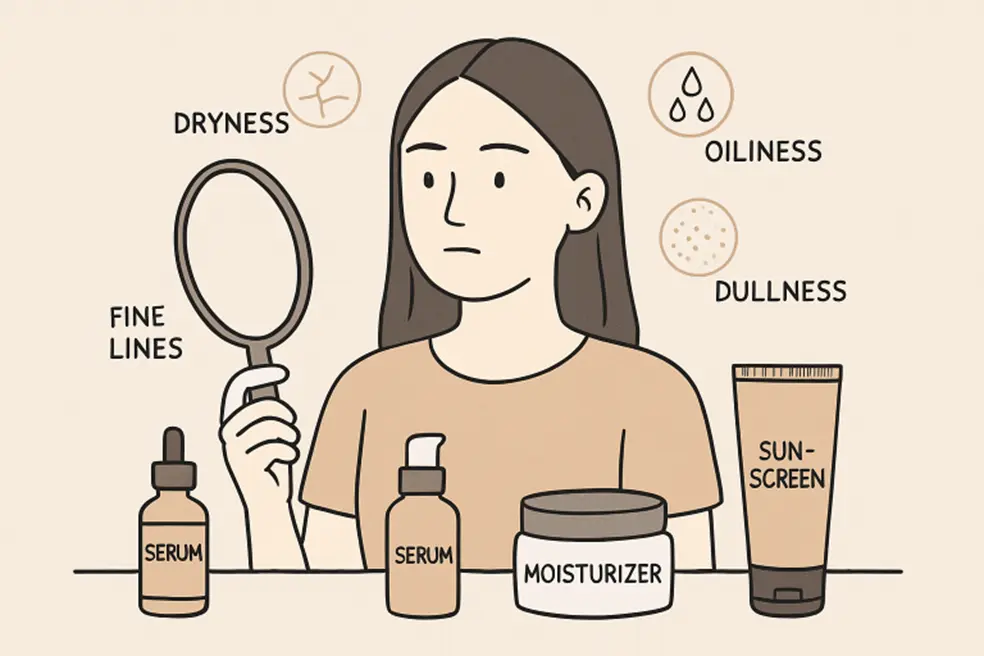
Skincare isn’t static—what works today might not keep your skin at its healthiest for years to come. As life, environment, and your body change, your skincare regimen should also adapt. Recognizing the signs that it’s time to revisit your anti-aging routine is a crucial step in maintaining a radiant, youthful complexion. Understanding the science and strategies behind anti-aging skincare for fine lines can help you stay ahead of the aging curve and keep your skin in top condition.
Modern anti-aging skincare demands attention to shifting signs, from increased dryness or oiliness to a sudden emergence of sensitivity or dullness. Many people notice familiar products become less effective, or that different seasons or stress levels can suddenly trigger changes in skin texture and tone. By identifying these clues early, you can make gentle, effective updates that promote long-lasting results and prevent further skin concerns.
Equipping yourself with knowledge and versatile solutions makes all the difference. Many dermatologists recommend reconsidering your regimen as soon as you notice persistent changes in your skin’s behavior. With advances in ingredients and treatments, there’s always room for improvement, whether you’re updating a serum or considering professional interventions.
Persistent Dryness or Oiliness
When your skin feels drier or oilier than usual and doesn’t bounce back with your regular moisturizer or cleanser, it’s a signal that your skincare routine may need a change. The skin’s natural barrier shifts with age, weather, and hormonal changes, leaving it either unable to retain water or overcompensating with excess sebum. Upgrading your regimen to include a pH-balancing toner or lightweight hydrating serums can make a substantial difference. Professional-grade hydrating facials are another solution, replenishing essential moisture for glowing results.
Increased Skin Sensitivity
Redness, burning, or unexpected irritation after applying your usual products often means your skin is less resilient than before. Aging, stress, or the use of strong actives—such as retinol and acids—can thin the skin’s protective barrier, making it more susceptible to environmental triggers. Transitioning to fragrance-free, hypoallergenic, or ceramide-rich formulas can restore comfort and support skin recovery. Moderation with exfoliants is also key to reducing sensitivity while still enjoying their benefits.
Dull or Uneven Skin Tone
If your complexion looks lackluster or you notice patchy pigmentation, the likely culprit is the buildup of dead skin, compounded by sun exposure or pollution. Rejuvenating your skin requires gentle exfoliation and the introduction of antioxidants, such as vitamin C. Adding a serum with brightening benefits enhances cellular turnover. At the same time, treatments like chemical peels can address unevenness beneath the surface.
Emergence of Fine Lines and Wrinkles
The sudden prominence of fine lines or new wrinkles means it’s a good time to add pro-collagen ingredients to your routine. Peptides and retinoids are gold standards for encouraging collagen production, which improves elasticity and helps smooth the skin’s surface. Do not underestimate the power of professionally guided treatments, such as LED light therapy—these can support topical applications and accelerate visible improvements.
Ineffectiveness of Current Products
Over time, your skin may become less responsive to certain products or ingredients, resulting in a plateau or regression in results. This is a common reason to consult a skincare expert or dermatologist, who can assess your skin’s changing needs and recommend new, evidence-based formulas or specialized routines.
Breakouts and Clogged Pores
Seeing more frequent or stubborn blemishes is not just a teenage issue—it’s common in aging skin, particularly when using heavier moisturizers or makeup. Choosing products labeled as non-comedogenic, re-evaluating your cleansing technique, and occasionally introducing targeted acne treatments can help regulate sebum and maintain clear pores without over-drying.
Adapting to Seasonal Changes
Your skincare routine should flex with the weather. The cold, dry air of winter might call for thicker creams and fewer exfoliants, while a summer routine often shifts to lighter moisturizers and increased sun protection. These strategic changes help your skin stay balanced and healthy as your environment changes throughout the year.
Lifestyle and Dietary Influences
Stress, changes in sleep, travel, and major shifts in diet can all reflect in your skin. Increased stress may trigger inflammation or blemishes, while a balanced diet rich in antioxidants can provide additional support for your anti-aging efforts.
Regular self-assessment and a willingness to refine your approach help keep your anti-aging routine fresh and effective. Embrace a flexible regimen, pay attention to evolving needs, and invest in products and treatments proven to address your unique concerns. Your skin will reflect the added thought and care, radiating health and youthfulness for years to come.