
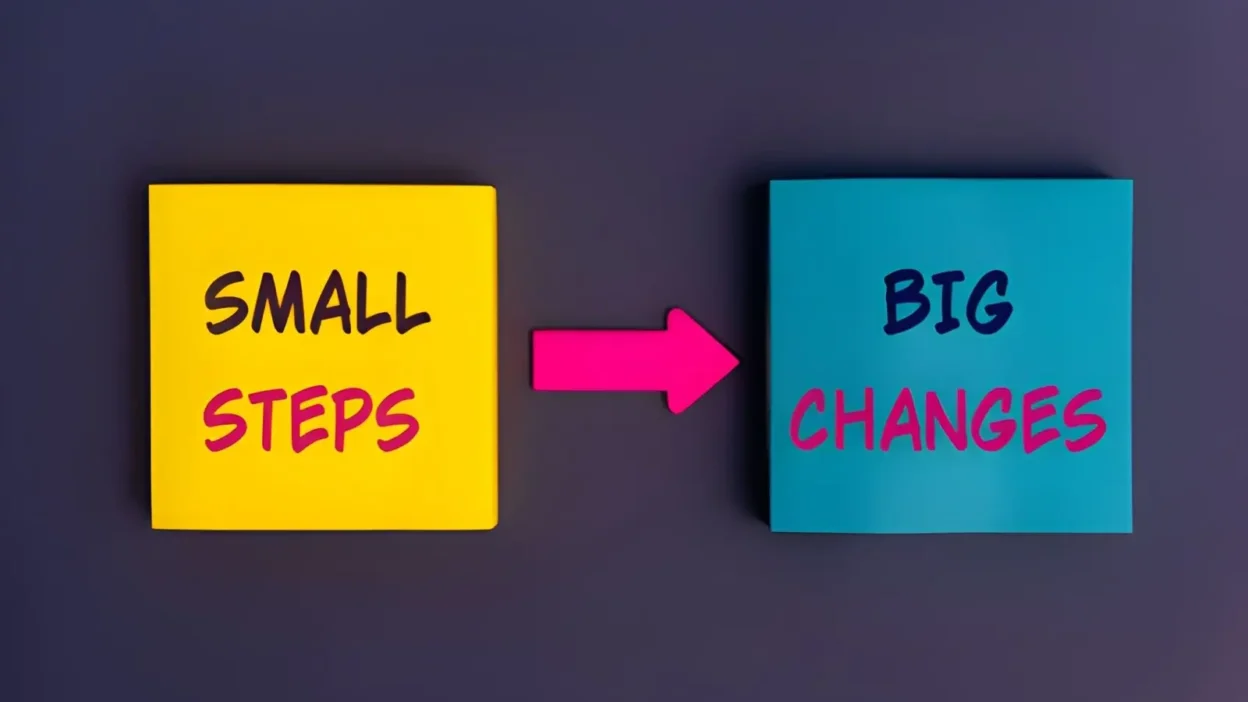
Big transformations are often imagined as dramatic turning points. A bold decision, a major breakthrough, or a complete overhaul of habits feels like the kind of change that truly matters. In reality, most lasting change begins quietly. It starts with small adjustments that feel almost too simple to count. These small changes, repeated consistently, reshape how you think, act, and respond to daily life.
What makes small changes powerful is not their intensity but their reliability. They lower resistance and fit into real routines. Over time, they compound. What begins as a minor shift in behavior or mindset slowly alters direction, much like adjusting a steering wheel just a few degrees can change the destination entirely.
This principle becomes especially clear during periods of stress, when big changes feel overwhelming. Financial strain, for example, can make people feel stuck and reactive. Addressing core pressures through structured steps, such as exploring options like debt settlement, can create space for smaller, more manageable changes to take hold without adding more strain.
Why Small Changes Work When Big Plans Fail
Big plans often fail because they demand too much too fast. They rely heavily on motivation and willpower, both of which fluctuate. When energy dips or life interrupts, large plans collapse under their own weight.
Small changes work because they are easier to repeat. They fit into existing routines rather than requiring a complete reset. Repetition builds familiarity, and familiarity builds habit. Once a behavior becomes habitual, it requires less effort to maintain.
Consistency beats intensity over time.
Compounding Is the Real Engine of Transformation
Compounding is usually associated with finance, but it applies just as strongly to behavior and mindset. Each small action builds on the previous one. Over weeks and months, the effect multiplies.
A few minutes of daily reflection strengthens awareness. A short walk each day improves energy and mood. Saving a small amount regularly builds financial confidence. None of these changes feel dramatic on their own, but together they reshape outcomes.
The shift is gradual, then suddenly obvious.
Small Changes Reduce Internal Resistance
One reason small changes are effective is that they bypass internal resistance. The brain is wired to protect existing patterns, even unhelpful ones. Big changes trigger alarm. Small changes feel safe.
When a change feels manageable, the brain does not push back as hard. This makes follow through more likely. Over time, the new behavior becomes normal, and resistance fades.
Ease supports sustainability.
Identity Shifts Follow Behavior Shifts
People often wait for confidence or identity to change before changing behavior. In practice, behavior changes identity. Each small action sends a signal about who you are becoming. When you act consistently in a certain way, even in small doses, self-perception adjusts. You begin to see yourself as someone who follows through, plans ahead, or cares for your well-being. Identity grows from evidence, not intention.
Small Changes Create Momentum
Momentum matters. Small wins generate energy and motivation. When progress feels achievable, engagement increases. Large goals can feel distant and discouraging. Small changes provide immediate feedback. You can see progress quickly, which reinforces effort. This feedback loop keeps momentum alive. Progress fuels progress.
Mindset Shifts Often Start With Language
The smallest but most impactful change involves language. The way you talk to yourself shapes emotional response. Replacing absolute statements with flexible ones changes how challenges feel. For example, shifting from “I always fail” to “I am learning” alters motivation. This linguistic adjustment takes seconds but can change behavior patterns over time. Language guides perception.
Environment Makes Small Changes Easier
Small changes are easier to maintain when the environment supports them. Adjusting surroundings often requires less effort than changing motivation. Placing reminders where you will see them, reducing distractions, or preparing in advance all make desired behaviors more likely. These adjustments are small but powerful. The American Psychological Association explains how habits and environmental cues shape behavior by reducing reliance on willpower. Design supports discipline.
Small Changes Improve Emotional Regulation
Emotional resilience grows through small practices. Pausing before reacting, taking a breath, or stepping away briefly all regulate emotional response. These moments add up. Over time, reactions become less intense and recovery becomes faster. Emotional stability is built, not forced. This stability supports clearer thinking and better decisions.
Health Benefits Accumulate Gradually
Health improvements rarely appear overnight. They build through consistent small actions. Hydration, sleep routines, movement, and stress management all contribute incrementally. Health organizations like the Mayo Clinic emphasize that small lifestyle changes improve physical and mental health outcomes when practiced consistently. Health is a long game.
Small Financial Habits Build Confidence
Financial confidence often grows from small, repeatable habits rather than dramatic windfalls. Tracking spending briefly, automating savings, or reviewing accounts regularly creates familiarity and control. These habits reduce anxiety and increase clarity. Over time, confidence replaces avoidance. Financial behavior shifts from reactive to intentional. Stability comes from repetition.
Expect Slow Progress at First
Small changes can feel ineffective early on because results are subtle. This is where patience matters. The impact is building even when it is not visible. Staying consistent through this phase is key. Eventually, the accumulation reaches a tipping point where change becomes noticeable and self-reinforcing. Trust the process.
Review and Adjust Without Judgment
Not every small change will stick. Some will need adjustment. This is normal. The goal is learning, not perfection. Review what works and what does not without self-criticism. Refinement strengthens systems and improves outcomes. Adaptation sustains progress.
Small Changes Protect Energy
Big changes drain energy. Small changes conserve it. By spreading effort over time, small adjustments prevent burnout. This energy preservation makes long term growth possible. You are not constantly restarting or recovering. You are steadily moving forward. Energy is a finite resource.
Big Shifts Are Built From Small Choices
Small changes are often overlooked because they do not feel impressive. Yet they are the building blocks of meaningful transformation. Over time, they reshape habits, mindset, and outcomes in ways that big gestures rarely sustain.
When you focus on what is doable today rather than what is dramatic, progress becomes accessible. Small changes lead to big shifts not through force, but through consistency. That is where lasting change lives.
Also Read
- Comparing Metal Signage: Traditional Crafting vs Laser Cutting Tech
- Navigating Major Life Changes Later in Life With Clarity
- Comparing Metal Signage: Traditional Crafting vs Laser Cutting Tech