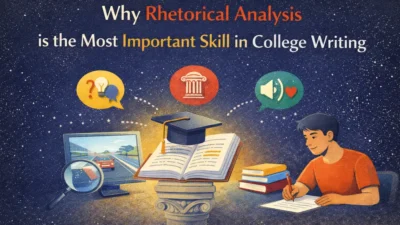
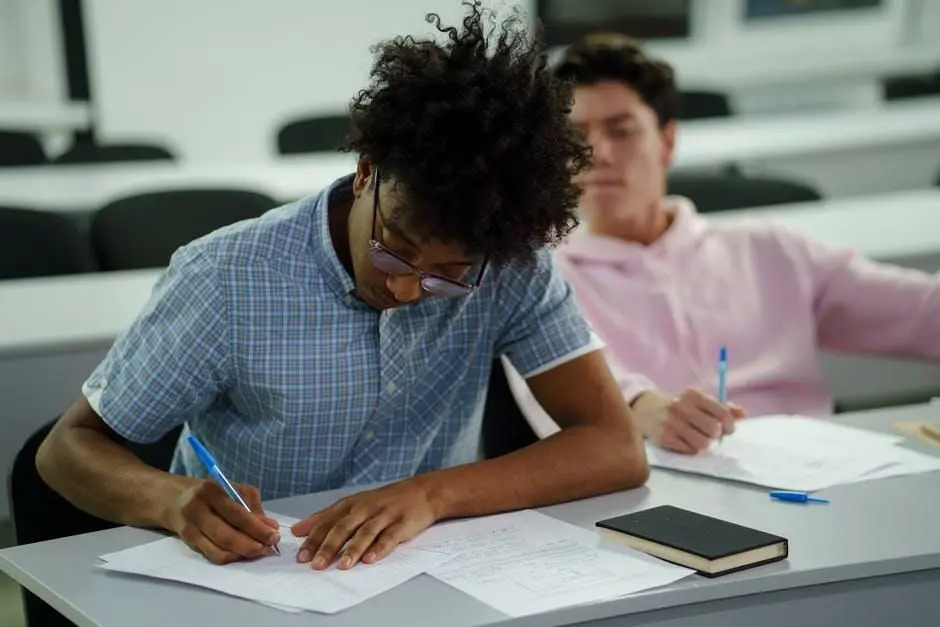
Learn effective strategies for successful college preparation in high school, including academics, extracurriculars, planning, and application tips.
Have you ever wondered why some students feel confident in high school while others feel unsure about their future plans? Thinking about college can feel exciting and stressful at the same time, especially when expectations are unclear. High school years go by fast, and early choices can shape future opportunities in many ways.
With the right guidance, students can build strong habits, explore interests, and worry less about what comes next. This guide shares clear and useful steps that help students feel focused, confident, and supported. By reading on, you will learn how to prepare with purpose and follow a smoother path toward college success.
Building A Strong Academic Foundation
A strong academic foundation is an important part of life after high school. Students should focus on understanding core subjects instead of only trying to earn high grades. When learning feels meaningful, information stays longer and builds confidence over time.
Asking questions in class and getting help early can stop small problems from becoming bigger ones. Good study habits also play a big role in school success. Having a steady homework routine helps students manage time and avoid last minute stress.
Simple skills like taking notes, reviewing lessons, and organizing assignments can improve work in many classes. These habits slowly prepare students for harder work in the future. Challenging courses can help students grow when chosen with care.
Advanced or honors classes teach students how to handle harder material and higher expectations. Balance is important because taking on too much can cause stress. A thoughtful approach keeps learning challenging while staying healthy.
Developing Time Management And Organization Skills
Time management is a skill that improves with practice. High school students often balance classes, activities, family duties, and social time. Learning how to plan ahead helps lower stress and keep priorities clear.
Using planners or digital calendars can help track daily tasks. Organization helps students stay focused and work better. Keeping school materials in order saves time and helps avoid missed work.
When students know where to find notes and due dates, they feel more in control. This sense of control builds confidence for future learning. Breaking large tasks into smaller steps also helps.
Big projects can feel stressful without a clear plan. Smaller goals make progress easier to see and feel rewarding. Over time, these habits help students feel more ready for college level work.
Exploring Interests Through Activities
Activities outside the classroom help students learn more about themselves. Sports, arts, clubs, and volunteer work give chances to build different skills. These experiences often teach teamwork, leadership, and responsibility.
They also help balance schoolwork. Trying different activities helps students learn what they enjoy. Interests can change during high school, and that is normal.
Exploring new options helps students grow without pressure. Many interests grow through experience instead of careful planning. Staying involved in a few activities matters more than doing many at once.
Committing to one or two meaningful activities shows growth and effort. These experiences support personal growth and help students feel connected. They also add value to college applications.
Planning For Future Goals Early
Thinking about future goals does not mean choosing one path forever. Early planning helps students understand options and make smart choices. Talking with counselors, teachers, and family members can give helpful advice.
Guidance makes long term planning feel less stressful. Learning about different colleges and programs can boost motivation. Exploring majors, campus life, and admission needs gives students clear goals.
This process helps students see how current efforts connect to future plans. Feeling informed often builds confidence. As goals become clearer, students can make choices that match their interests.
Course choices, activities, and summer plans begin to support those goals. Even small steps can help students feel ready for college. Planning is about understanding choices, not feeling pressure.
Preparing For Tests And Assessments
Tests and exams can cause stress for many students. Learning about test formats early can reduce fear and improve results. Practice tests help students learn timing and question styles.
Confidence grows with steady practice. Regular review works better than last minute studying. Short study times spread out over days help memory and understanding.
Students should focus on learning ideas instead of memorizing answers. This method builds skills that last longer. Managing stress during tests is just as important as studying.
Simple actions like deep breathing and positive self talk can help students stay calm. When students feel relaxed, they can focus better. These skills help both in and after high school.
Understanding The Application Process
The college application process can feel confusing at first. Learning about it early helps students feel prepared instead of rushed. Applications often include grades, activities, essays, and letters of support.
Knowing these parts early makes planning easier. Strong essays show personal growth and honest thinking. Writing takes time, so starting early helps students share ideas clearly.
Feedback from teachers or counselors can improve clarity and tone. Good writing shows effort and care. Staying organized during application season is very important.
Keeping track of deadlines and requirements helps avoid stress and mistakes. Some students feel excited when choosing a path and saying, Ready? Select Your Campus! This moment can make the process feel real and motivating.
Building Independence And Responsibility
High school is a time to become more independent. Taking responsibility for schoolwork and schedules builds maturity. Students who manage tasks on their own gain confidence.
This confidence helps in new situations. Learning to speak up is also important. Asking for help when needed shows awareness, not weakness.
Communication skills grow with practice and honesty. These skills help students face challenges later. Daily responsibilities teach life skills beyond schoolwork.
Managing time, keeping promises, and making choices shape character. These lessons help students prepare for college and adult life. Growth happens through small and steady efforts.
Confidence For The Next Chapter
Confidence grows when students understand their strengths and limits. College preparation in high school works best when students feel supported and informed. Each step builds skills, habits, and self trust.
Preparation focuses on growth, not being perfect. Students who plan with care often feel calmer about change. They know challenges will happen, but trust they can handle them.
Support from family, teachers, and peers makes the journey easier. Confidence grows through effort and reflection. By focusing on growth, students build strong foundations for the future.
Habits formed now support learning, strength, and independence. College preparation in high school becomes a journey with purpose and meaning.
Did this guide help you? Browse the rest of this section for more advice on a variety of topics.
Also Read-Hair Extensions in San Francisco: A Complete Guide to Transforming Your Look