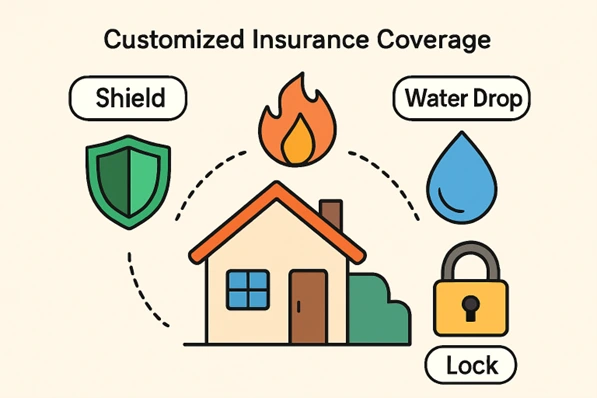
Homeowners today face a landscape of risks and variables that simply cannot be addressed by a one-size-fits-all policy. To ensure assets are well protected, it is crucial to explore personalized insurance solutions crafted for your specific situation. Whether your home sits in the path of hurricanes, is exposed to wildfire threats, or needs extra security due to its age and structure, customizing your insurance can help you avoid needless expenses while providing comprehensive security.
Customization in insurance involves understanding both visible and subtle risks to properties. Innovations allow homeowners to obtain coverage optimized to their lifestyles and current data assessment methods. More homeowners are opting for tailored policies that prioritize peace of mind over standard packages that may not address their unique needs. Tailored protection enhances transparency, enabling homeowners to adjust deductibles, add endorsements for valuable items, and ensure adequate funding for claims, thereby closing coverage gaps and potentially delivering better long-term value.
If you want to take the first step to protect your home in the most efficient way possible, exploring a custom policy is a smart start. As insurance markets evolve, a thoughtful, personalized approach ensures your policy adapts to your life’s changes rather than lagging behind.
Understanding Your Home Insurance Needs
No two homes share identical risk profiles. Factors such as whether your house is in a flood zone, the age and design of the building, or even the changing patterns of local crime all affect insurance requirements. For example, residents in the Gulf Coast may need supplementary wind and flood protection, while those in drier climates should review coverage for fire, smoke, and even drought-related events. This initial assessment puts you in the best position to identify critical exposures and avoid over- or under-insuring your property.
The Rise of Personalized Insurance Policies
The insurance sector has rapidly evolved in response to customer demands for flexibility and transparency. Increasingly, carriers are offering modular add-ons, adjustable deductibles, and fine-tuned endorsements for high-value personal items or unique property attributes. Many insurers are adjusting underwriting models and encouraging customers to participate actively in policy design, resulting in fewer loopholes and a better fit for each family’s situation.
Leveraging Technology for Tailored Coverage
With greater data sophistication, insurers can now use geographic information systems (GIS), satellite imagery, and predictive modeling to map risk at a granular level. These tools enable a more precise evaluation of hazards, often highlighting factors a homeowner may have missed. For instance, predictive analytics can inform you if your neighborhood’s storm frequency has increased over recent years, helping you justify upgrades or additional riders to your policy. Many carriers also use technology to expedite claims, improve transparency, and ensure that discounts for home improvements or safety measures are accurately applied.
Climate Change and Its Impact on Home Insurance
Rising ocean temperatures, frequent droughts, and increasingly severe wildfires are already driving up insurance claims in many regions. As a result, premiums have risen in vulnerable areas, and some homeowners face difficulty securing coverage altogether. To help mitigate these heightened risks, many insurers now offer discounts or incentives for homeowners who implement protective measures, such as weather-resistant home improvements, smart alert systems, or fire-safe landscaping. These proactive steps not only enhance safety but can also make coverage more accessible and affordable in high-risk areas.
The Role of Insurance Agents in Customizing Policies
Experienced insurance agents are invaluable when designing a custom policy. They can highlight policy exclusions, steer you toward viable add-ons for valuables or new risks, and serve as an ongoing resource as your needs change. Agents also help you interpret technical language and market regulatory shifts. Their knowledge can be especially important if you are balancing multiple properties or need umbrella policies to unify overall asset protection.
State-Specific Initiatives and Programs
Certain states recognize the need for expanded insurance access and have started programs to support homeowners facing the highest risks. In Florida, the My Safe Florida Home program funds home upgrades to resist hurricanes, while similar incentives in California target fireproofing and defensive landscaping. Legislative changes often emerge to keep insurance both available and affordable in markets where private coverage may retreat, such as those prone to flooding or frequent quakes. Homeowners are encouraged to stay up to date on such offerings that can help lessen costs and increase coverage.
Tips for Customizing Your Home Insurance Policy
- Assess Your Risks: Make a list of the major hazards in your area, the value of possessions, and any special construction features that increase or reduce vulnerability.
- Review Policy Options: Explore endorsements for risks such as sewer backups, earthquakes, or identity theft. Standard policies may omit these but allow for additions.
- Consult Professionals: Meet with a knowledgeable agent at least annually, or after major home changes, to avoid coverage gaps or redundancies.
- Invest in Mitigation: Upgrade your home with features like storm shutters, water leak detectors, or a monitored security system. These not only add protection but also often reduce your premium.
- Regularly Update Coverage: Any time you remodel, add valuable property, or settle a prior claim, review your policy to ensure coverage remains current and sufficient.
Conclusion
Developing a custom-fit home insurance policy is more than just paperwork. It is an investment in financial security and peace of mind for you and your loved ones. With the support of technology, thoughtful preparation, and ongoing engagement with skilled insurance professionals, your policy can evolve to meet both the everyday realities and exceptional risks your home may face. Stay informed about your protection options, and revisit your coverage regularly to keep pace with your changing needs and local developments.
Read more: Accelerated BSN Programs Online: Fast-Tracking Your Nursing Career
The Intersection of Fashion and Functionality in Cowboy Boots
What to Evaluate Before Relocating Your Business to Another State