Your dental work should last. Crowns, bridges, and implants fail early when your gums are weak or infected. You might blame the filling or the crown. The real cause is often silent gum disease. Bleeding when you brush, bad breath, or loose teeth are early warning signs. These signs also warn that your restorations sit on shaky ground. Strong gums support strong dental work. Weak gums shorten the life of every restoration in your mouth. This blog explains how healthy gums protect your investment in dental care. It also shows why timing matters before and after treatment. You will see how regular cleanings, home care, and periodontal treatment in King of Prussia, PA can extend the life of your restorations. You deserve care that lasts. You also deserve clear answers about what puts your dental work at risk and what you can do today.
Why gums decide how long your dental work lasts
Every filling and crown needs solid bone and healthy gums. You cannot see the bone. You can see your gums. They act as a first alarm. When plaque and bacteria sit near the gumline, they trigger swelling and infection. The Centers for Disease Control and Prevention explains that almost half of adults over 30 have some form of gum disease.
Gum disease slowly eats away the bone that holds your teeth. Then your teeth move. Next, your bite changes. Finally, your crowns and bridges stop fitting. The work itself might be perfect. The foundation is not. That mismatch causes chips, cracks, and broken cement.
How gum disease harms restorations
Gum disease affects your restorations in three main ways.
- It changes how your teeth line up.
- It exposes the edges of your fillings and crowns.
- It traps more plaque around your dental work.
First, shifting teeth places new stress on your dental work. A crown that once fit your bite now takes the full force of chewing. That stress can fracture porcelain or loosen cement.
Second, receding gums expose the margins of crowns and fillings. Those edges are harder to clean. Food and bacteria cling to the tiny gaps. This leads to decay in the work. Then the restoration fails even though the top still looks fine.
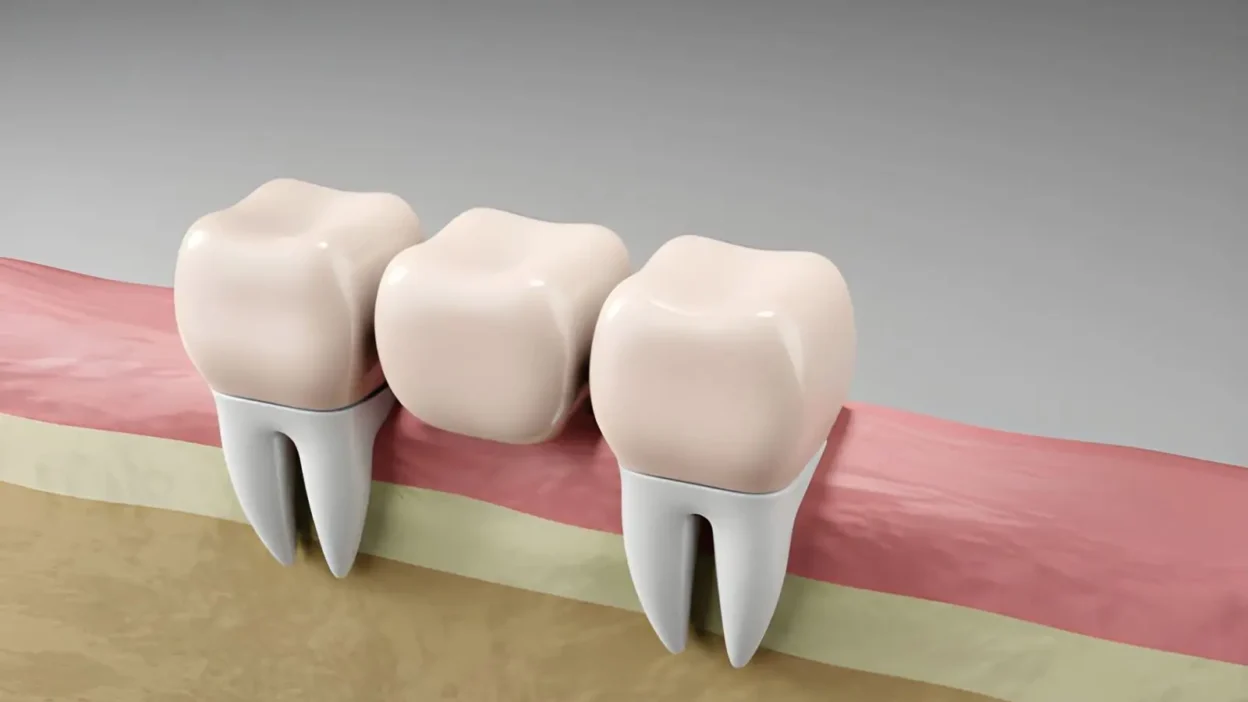
Third, deep pockets around teeth collect more plaque. This sticky film hides under the gumline and around bridge supports and implants. Over time, you face more infections, more bone loss, and more repair visits.
Healthy gums and healthy restorations
You protect your restorations when you protect your gums. Three habits matter most.
- Brush twice each day with fluoride toothpaste.
- Clean between your teeth once each day.
- See your dentist and hygienist on a regular schedule.
The National Institute of Dental and Craniofacial Research offers simple brushing and flossing steps. These daily steps reduce plaque and keep your gums firm and pink. They also protect the edges of your fillings and crowns.
Routine visits allow early care. Your team can measure pocket depths, check bone levels, and clean around your restorations. You then avoid more serious damage that needs surgery or new dental work.
Timing periodontal care around restorations
Periodontal care works best when you time it well with your restorative care. Think in three stages.
- Before you get new restorations.
- During treatment planning.
- After your new work is in place.
Before new crowns or implants, your dentist should treat any active gum infection. Infected gums bleed more and heal more slowly. Clean, stable tissue helps impressions, fit, and comfort.
During planning, your dentist and periodontist can decide where your gums should sit. They may reshape excess tissue or rebuild bone. This creates strong support around teeth that will carry crowns or bridges.
After placement, you need a closer follow-up. More frequent cleanings and careful checks around margins catch early changes. You then keep your new work longer.
Comparison of restorations with and without periodontal care
| Type of restoration | With healthy gums | With untreated gum disease |
|---|---|---|
| Single crown | Stable bite. Edges stay covered by firm gum tissue. Lower risk of decay at margins. | Receding gums expose edges. Higher risk of decay and loose crown. |
| Bridge | Support teeth stay strong. Bone height remains steady. A bridge can last many years. | Bone loss around support teeth. Food traps under the bridge. More fractures and early loss. |
| Dental implant | Healthy bone around the implant. Gums seal out bacteria. Stable chewing and comfort. | Infection around the implant. Bone loss and swelling. Risk of implant failure. |
| Fillings | Gums cover roots. Clean margins. Less sensitivity and fewer replacements. | Root exposure and pockets. Decay at edges. More frequent repairs. |
When you should seek periodontal care
Do not wait for pain. Gum disease often feels silent. Pay attention to these signs.
- Bleeding when you brush or floss.
- Red, puffy, or shrinking gums.
- Bad breath that does not clear after brushing.
- Spaces between teeth that were not there before.
- Loose teeth or changes in how your teeth touch.
If you already have crowns, bridges, or implants, these signs threaten your past dental work. Early periodontal care can stop or slow damage and save your restorations.
Protect your smile and your investment
You spend time, money, and energy on dental care. You deserve restorations that last. Strong gums give that to you. They steady your teeth, shield your roots, and guard the edges of every filling and crown.
Take three steps today. First, clean your teeth with care every day. Next, keep your recall visits. Finally, ask clear questions about your gum health and bone levels. When you protect your gums, you protect your dental work and your comfort for years.
Also Read
- How Inverter Technology Is Changing Home Heating and Cooling
- Business Network Solutions That Power Reliable Operations
- How Inverter Technology Is Changing Home Heating and Cooling