Construction puts your body and mind in constant danger. Heavy loads, sharp edges, and high places leave no room for mistakes. One wrong move can break bones or end a life. You might think experience protects you. It does not. Even seasoned workers get hurt when pressure, fatigue, or shortcuts creep in. This blog shows you the most dangerous jobs in construction and how to stay safe every day. You will see where most injuries happen, what usually goes wrong, and how simple habits can protect you. You will learn how to spot risk before it hits, speak up without fear, and use gear that actually works. You can also visit hinden.net for extra tools and stories from workers like you. Your work builds homes, roads, and schools. Your safety matters more than any deadline.
Why Some Construction Jobs Are So Deadly
Some tasks expose you to falls, struck by hazards, and crush injuries. Others expose you to noise, dust, and stress that build up over time. You face three big threats. You work at height. You work around moving machines. You work near heavy loads that can shift without warning.
Federal data from the Occupational Safety and Health Administration show that most deaths in construction come from four causes. Falls from height. Struck by objects. Caught in or between equipment or materials. Electrocutions. The jobs below touch one or more of these risks every shift.
The Most Dangerous Construction Jobs
| Job | Main Hazards | Key Protection Steps |
|---|---|---|
| Roofer | Falls from height. Heat. Unstable surfaces. | Fall arrest systems. Guardrails. Roof anchors. Hydration. |
| Ironworker / Steel erector | Falls on open frames. Falling tools. Crush points. | Harness and lifelines. Tool lanyards. Clear signals. |
| Scaffolder | Collapse. Falls. Falling objects. | Proper design. Inspections. Plank securement. Toe boards. |
| Crane operator / Rigger | Load drops. Tip overs. Power lines. | Lift plans. Load charts. Exclusion zones. Spotters. |
| Electrician (construction) | Shock. Arc flash. Burns. Falls from ladders. | Lockout tagout. Testing. Insulated tools. Ladder safety. |
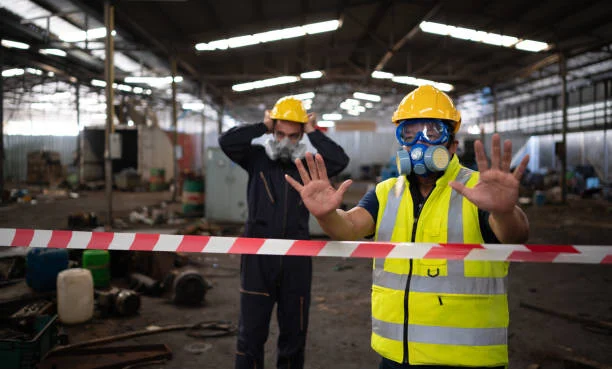
| Demolition worker | Structural collapse. Flying debris. Dust. | Engineering survey. Sequenced demo. Respiratory protection. |
| Trench / excavation worker | Cave ins. Flooding. Toxic gases. | Shoring. Sloping. Access ladders. Atmosphere checks. |
| Heavy equipment operator | Rollovers. Blind spots. Struck by. | Seat belts. Spotters. Backup alarms. Stable ground. |
Roofer Safety
Roof work exposes you to the deadliest hazard in construction. You can fall in one second. You rarely get a second chance.
To stay safe on roofs, you need three things. You need a clear plan for how you move and where you tie off. You need strong protection at every open edge. You need simple habits that you follow even when you feel rushed.
- Use a full body harness with a secure anchor and proper lanyard.
- Install guardrails or temporary barriers near open sides.
- Cover and mark roof holes. Never leave a hole open.
- Keep walking paths clear of scrap and loose tools.
- Stop work in strong wind, lightning, or ice.
Ironworkers and Steel Erectors
Ironworkers walk on narrow beams high in the air. One slip can send you down through several levels. You also face falling tools and swinging loads.
You protect yourself with strong anchors, secure tools, and clear communication.
- Stay tied off at all times when you work above lower levels.
- Use tool lanyards for wrenches, spud bars, and radios.
- Set up drop zones and keep people out from under steel work.
- Agree on hand signals and radio calls before lifts.
Scaffold Work
Scaffolds fail when parts are missing or the ground shifts. You can fall or get hit by materials that roll off the deck.
Safe scaffold work depends on design, inspection, and housecleaning.
- Have a competent person build and inspect the scaffold.
- Use base plates and mud sills on soft or uneven ground.
- Install guardrails and toe boards on all working levels.
- Keep planks level and fully supported.
- Remove trash and loose items each shift.
Cranes, Riggers, and Heavy Loads
Crane events kill workers on the ground as well as in the cab. Loads can swing, drop, or pull a crane over. Power lines can turn a boom into a live wire.
You stay safe by planning every lift, using the right gear, and clearing people from danger zones.
- Use a written lift plan for large or complex lifts.
- Check load weight and rigging capacity before each lift.
- Set up exclusion zones and keep people out under the load.
- Maintain safe distance from power lines.
- Use trained signal persons for blind or tight lifts.
Electricians and Hidden Power
Live parts can stop your heart in a moment. Temporary power on jobsites often changes each day. Mislabeling and open boxes raise the risk.
You control this risk through testing, lockout, and simple habits.
- Test every circuit before you touch it.
- Use lockout tagout when you work on equipment.
- Cover live parts and close panels after work.
- Use insulated tools and dry gloves where needed.
- Set ladders on firm ground and keep three points of contact.
Demolition and Trench Work
Demolition and excavation can collapse without warning. Walls, floors, and soil may hide voids or weak spots. Old buildings can hold lead, asbestos, and other toxins.
You protect yourself by understanding what you cut or dig before you touch it.
- Have an engineer or competent person review structures before demolition.
- Remove loads in a set sequence. Never cut supports at random.
- Use shoring, sloping, or trench boxes in excavations five feet or deeper.
- Place ladders in trenches so you never climb more than 25 feet to exit.
- Test the air in deep or confined cuts and control water.
Three Habits That Protect Every Trade
Every dangerous job in construction shares three simple needs. You need clear training. You need the right gear. You need the power to stop unsafe work.
- Learn the hazards of your task before you start.
- Use personal protective equipment that fits and stays in good shape.
- Speak up when something feels wrong. Support others when they do the same.
You can read more about common construction hazards and protections from the National Institute for Occupational Safety and Health. Your job shapes your community. Your family needs you home in one piece. Safety is not extra work. It is the work.
Read more: 10 Common Legal Mistakes Medical Practices Make And How To Avoid Them
How To Defend Yourself Against Ucmj Charges
What No One Will Tell You About Alimony And Spousal Support