
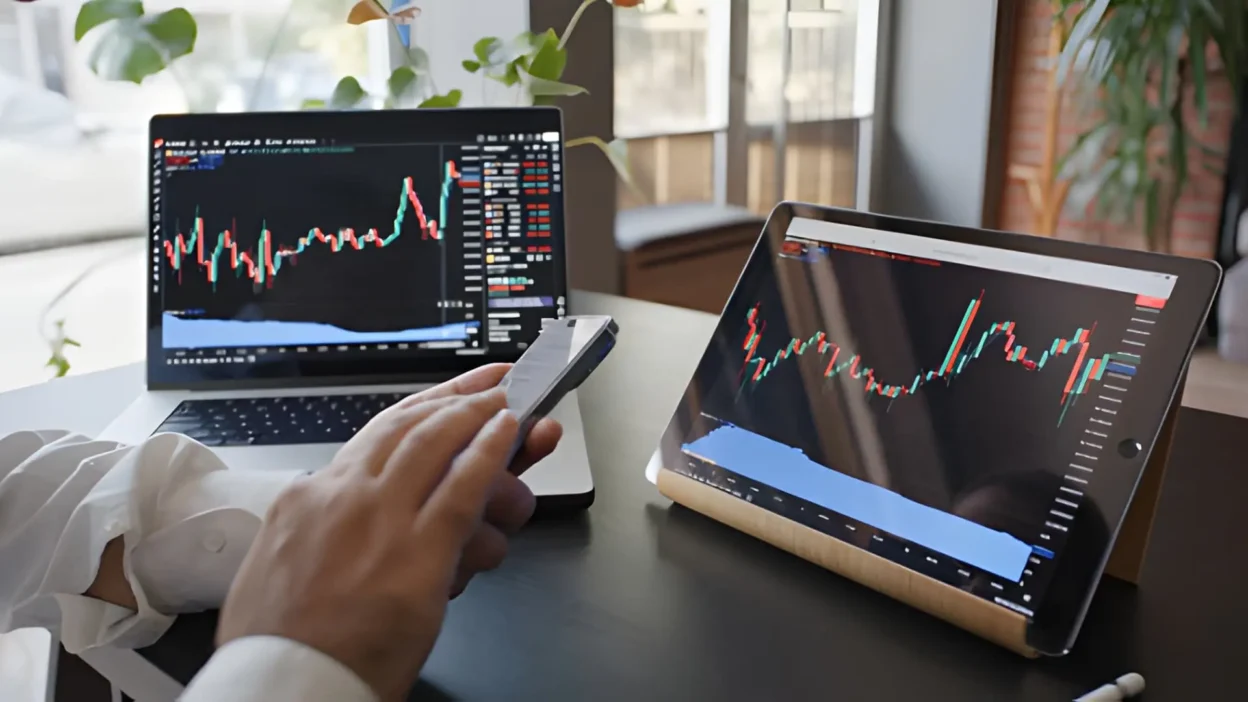
Trading today feels very different from a decade ago. A few clicks can connect you to global markets, real-time prices, and advanced tools that were once limited to large institutions. But while this accessibility is exciting, it also comes with trade-offs that every investor should understand before getting started.
What makes this shift even more significant is how an online investment platform has changed investor behavior itself. People are no longer passive observers waiting for advice; they actively track trends, test strategies, and make decisions in real time. This new level of participation brings confidence and independence, but it also means investors must take greater responsibility for understanding market risks, tools, and their own financial limits before placing a trade.
This blog explores the pros and cons of trading online, helping you see the full picture of both the opportunities and the responsibilities that come with modern investing.
The Rise of Digital Trading Platforms
Online trading platforms have transformed how people participate in financial markets. Instead of relying on phone calls or physical brokers, investors now use apps and web-based systems to trade currencies, stocks, commodities, and derivatives.
At the heart of this change is the ease of access. An online investment platform allows users to open accounts quickly, monitor markets in real time, and execute trades from almost anywhere. For many first-time traders, this convenience is what sparks their interest in investing.
But ease of access does not automatically mean ease of success.
Pro: Accessibility for Everyday Investors
One of the biggest advantages of online trading is how inclusive it has become.
You no longer need:
- A large starting capital
- Personal connections to brokers
- Specialized financial offices
Instead, platforms are designed to welcome beginners with:
- Low minimum deposits
- Demo accounts
- Simple onboarding processes
This accessibility has helped bring investing into everyday conversations, especially among younger professionals looking to grow their wealth alongside their careers.
Con: Information Overload
While access is empowering, it can also be overwhelming.
Modern platforms provide:
- Live charts
- Technical indicators
- News feeds
- Market sentiment data
For beginners, this flood of information can create confusion rather than clarity. Without proper education, traders may:
- Overtrade
- Rely on signals they don’t fully understand
- Make emotional decisions based on short-term movements
Learning how to filter and interpret information is just as important as having access to it.
Pro: Speed and Control
Online trading puts decision-making directly in the hands of the investor.
You can:
- Enter or exit trades instantly
- Set stop-loss and take-profit levels
- Adjust strategies in real time
This level of control is especially valuable during volatile market conditions. Instead of waiting for intermediaries, traders can react immediately when market conditions change.
For experienced users, this speed often translates into better risk management and sharper execution.
Con: Emotional Trading Risks
With great control comes great responsibility.
Fast execution can encourage impulsive behavior:
- Chasing losses
- Trading without a plan
- Letting fear or greed dictate decisions
The psychological side of trading is often underestimated. Many losses occur not because of poor platforms, but because traders struggle with discipline and patience.
Successful trading requires emotional control just as much as technical knowledge.
Pro: Access to Global Markets
Another key advantage is the ability to trade across regions and asset classes.
From a single account, traders can explore:
- Forex markets
- Global indices
- Commodities like gold or oil
- Derivative products
This global reach allows investors to diversify their strategies rather than relying on a single market. For those searching for the best trading platform in the UAE, global access combined with local regulatory standards is often a critical factor.
Con: Market Risks Are Still Real
Technology does not eliminate market risk.
Even with advanced tools:
- Prices can move unexpectedly
- Global events can impact markets instantly
- Leverage can magnify both gains and losses
Online platforms make trading easier, but they do not make it safer by default. Understanding risk management, position sizing, and leverage is essential to long-term survival in the markets.
Pro: Transparent Pricing and Tools
Most modern platforms emphasize transparency.
Traders can usually see:
- Live spreads
- Commission structures
- Margin requirements
Many also offer:
- Educational resources
- Economic calendars
- Risk calculators
This transparency helps users make informed decisions and compare platforms objectively, rather than relying on promises or marketing alone.
Con: Not All Platforms Are Equal
While the industry has grown rapidly, quality varies widely.
Some platforms may lack:
- Strong regulation
- Reliable customer support
- Clear withdrawal policies
Choosing the wrong provider can lead to frustration or financial risk. Traders must evaluate platforms based on regulation, reputation, and operational clarity, not just features or promotions.
Pro: Flexibility to Match Different Trading Styles
Online trading platforms are designed to support different approaches.
Whether someone prefers:
- Short-term trading
- Long-term investing
- Manual or automated strategies
There is usually a setup that fits their style. This flexibility allows traders to evolve over time, adjusting strategies as their experience and goals change.
Con: Learning Curve Is Often Underestimated
Many newcomers assume trading is intuitive because platforms look user-friendly.
In reality, profitable trading requires:
- Market knowledge
- Strategy development
- Consistent practice
Without a learning mindset, users may quit early or suffer unnecessary losses. Education is not optional, it is foundational.
How to Weigh the Pros and Cons Effectively
Before choosing a platform or starting to trade, consider:
- Your financial goals
- Your risk tolerance
- The time you can dedicate to learning and monitoring trades
The best outcomes come from aligning technology with discipline, education, and realistic expectations.
Conclusion
Online trading has opened doors that were once closed to everyday investors. It offers accessibility, speed, transparency, and global reach, powerful advantages when used wisely. At the same time, it demands responsibility, emotional control, and continuous learning.
The difference between success and frustration often lies not in the platform itself, but in how thoughtfully it is used. For traders looking for a regulated and structured entry point into the markets, platforms like Anax Capital reflect how modern trading environments are evolving to balance opportunity with accountability.
Also Read-Navigating Financial Challenges in the Manufacturing Industry

James is a senior editor at axprassion.com with over a decade of experience in crafting compelling narratives and making complex topics accessible. His articles and interviews with industry leaders have earned him recognition as a key influencer by organisations like Onalytica. Under his leadership, publications have been praised by analyst firms such as Forrester for their excellence and performance. Connect with him on