
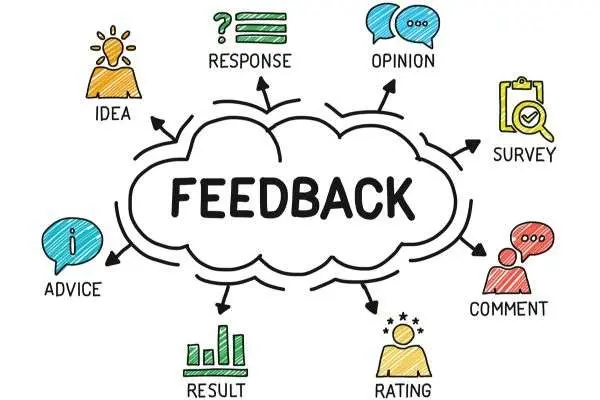
Personal growth rarely happens in isolation. While reflection and self-study are valuable, meaningful change often requires input from outside ourselves. One of the most powerful—but also most uncomfortable—inputs is honest feedback. For many men, feedback can feel confronting, confusing, or even threatening. Yet when delivered constructively, honest feedback is one of the fastest paths to self-awareness and long-term improvement.
In recent years, coaching has emerged as a structured way for men to receive feedback that is clear, respectful, and actionable. Rather than relying on guesswork or self-criticism, men are learning to use feedback as a tool for refinement rather than judgment.
Why Feedback Is Essential for Growth
Growth depends on understanding the gap between intention and impact. Most men act with good intentions, but intentions alone do not determine outcomes. How actions are perceived, interpreted, and experienced by others matters just as much.
Without feedback, this gap remains invisible. Men may repeat patterns without realizing their effects or miss opportunities for improvement simply because no one points them out clearly.
Honest feedback brings awareness to:
- Behavioral patterns
- Communication habits
- Emotional responses
- Blind spots
Once awareness exists, change becomes possible.
The Problem With Feedback in Everyday Life
Despite its importance, honest feedback is surprisingly rare in everyday life. Friends may avoid difficult conversations to preserve harmony. Colleagues may soften feedback to avoid conflict. Family members may be too emotionally involved to offer objectivity.
As a result, men often receive feedback that is:
- Vague
- Indirect
- Delayed
- Emotionally charged
This type of feedback can create confusion rather than clarity. Coaching environments exist precisely to solve this problem by offering structured, intentional feedback without personal agendas.
Feedback vs Criticism: Understanding the Difference
One reason feedback is often resisted is because it is confused with criticism. Criticism focuses on what is wrong and often carries judgment. Feedback, when done properly, focuses on information.
Constructive feedback:
- Describes observable behavior
- Explains impact
- Offers perspective
- Encourages reflection
When men learn to separate feedback from personal worth, they become far more open to receiving it. Coaching plays a key role in developing this distinction.
How Honest Feedback Builds Self-Awareness
Self-awareness is the foundation of personal development. Without it, growth efforts are based on assumptions rather than reality. Honest feedback accelerates self-awareness by providing external data points.
Through feedback, men begin to see:
- How they come across under stress
- How their communication style affects others
- Where confidence turns into rigidity
- Where hesitation is misinterpreted
This insight allows men to adjust behavior intentionally instead of reacting defensively.
The Value of Neutral, Structured Feedback
Feedback is most effective when it comes from a neutral and supportive source. Coaching environments are designed to remove emotional complexity and focus on clarity.
Structured feedback helps men:
- Receive information without shame
- Ask questions without defensiveness
- Reflect before responding
- Identify patterns rather than isolated incidents
Platforms such as Muse emphasize guided coaching conversations where feedback is delivered with balance—direct enough to be useful, but respectful enough to be heard.
Emotional Safety Encourages Growth
Men are often socialized to associate feedback with failure. This association can create resistance, even when feedback is accurate and helpful. Emotional safety is essential for breaking this pattern.
In a supportive coaching environment, men are encouraged to:
- Be curious instead of defensive
- View feedback as data, not judgment
- Experiment with change without fear
When emotional safety is present, men are far more likely to integrate feedback into real behavioral change.
Feedback Reveals Blind Spots
Blind spots are behaviors or patterns we cannot see on our own. Everyone has them, regardless of intelligence or experience. Honest feedback is the only reliable way to uncover these areas.
Common blind spots include:
- Overexplaining or under-communicating
- Avoiding conflict instead of addressing it
- Assuming intentions are obvious
- Misreading emotional cues
Once identified, blind spots lose their power. Men can then make conscious adjustments rather than repeating the same patterns unconsciously.
Receiving Feedback as a Skill
Receiving feedback effectively is a skill that can be developed. Many men initially struggle because they interpret feedback as a verdict rather than a resource.
Coaching helps men practice:
- Listening without interrupting
- Asking clarifying questions
- Reflecting before responding
- Separating emotion from information
Over time, feedback becomes less intimidating and more useful. Men begin to seek it proactively rather than avoid it.
Honest Feedback Improves Communication
Clear communication depends on understanding how messages are received. Feedback highlights gaps between what is said and what is heard.
By working with feedback, men can:
- Adjust tone and timing
- Improve clarity and intent
- Reduce misunderstandings
- Build trust through consistency
These improvements extend beyond coaching sessions into everyday interactions, strengthening both professional and personal communication.
Accountability Without Shame
Feedback is closely linked to accountability. However, accountability that relies on shame often leads to withdrawal rather than progress.
Healthy coaching-based accountability focuses on:
- Awareness rather than blame
- Progress rather than perfection
- Learning rather than punishment
This approach encourages men to take responsibility for growth while maintaining self-respect.
Feedback and Emotional Intelligence
Emotional intelligence involves recognizing emotions in oneself and others and responding appropriately. Honest feedback plays a key role in developing this skill.
Through feedback, men learn to:
- Recognize emotional patterns
- Understand how emotions influence behavior
- Respond thoughtfully instead of reactively
As emotional intelligence increases, decision-making and relationships improve as well.
Why Men Are Increasingly Seeking Feedback-Based Coaching
Modern life is complex, fast-paced, and filled with competing expectations. Many men feel pressure to perform without clear guidance on how to improve.
Feedback-based coaching offers:
- Clarity in uncertainty
- Direction in complexity
- Support without judgment
This is why platforms like Muse are gaining attention for offering coaching experiences centered on honest dialogue, reflection, and growth rather than generic advice.
Long-Term Benefits of Embracing Feedback
Men who learn to work with honest feedback often experience compounding benefits over time. Growth becomes continuous rather than reactive.
Long-term outcomes include:
- Stronger self-awareness
- More consistent confidence
- Better leadership and collaboration
- Greater emotional stability
Feedback stops being something to endure and becomes something to leverage.
Conclusion
Honest feedback is one of the most powerful tools for personal growth, yet it is often misunderstood or avoided. When delivered in a structured, respectful environment, feedback becomes a source of clarity rather than discomfort.
Coaching helps men develop the ability to receive, interpret, and apply feedback effectively. By shifting feedback from judgment to information, men gain the insight needed to grow intentionally.
As more men seek meaningful self-improvement, feedback-centered coaching models—such as those supported by platforms like Muse—are proving that growth is not about fixing flaws, but about refining awareness and action.
Also Read-How to Simplify the Home Selling Process