
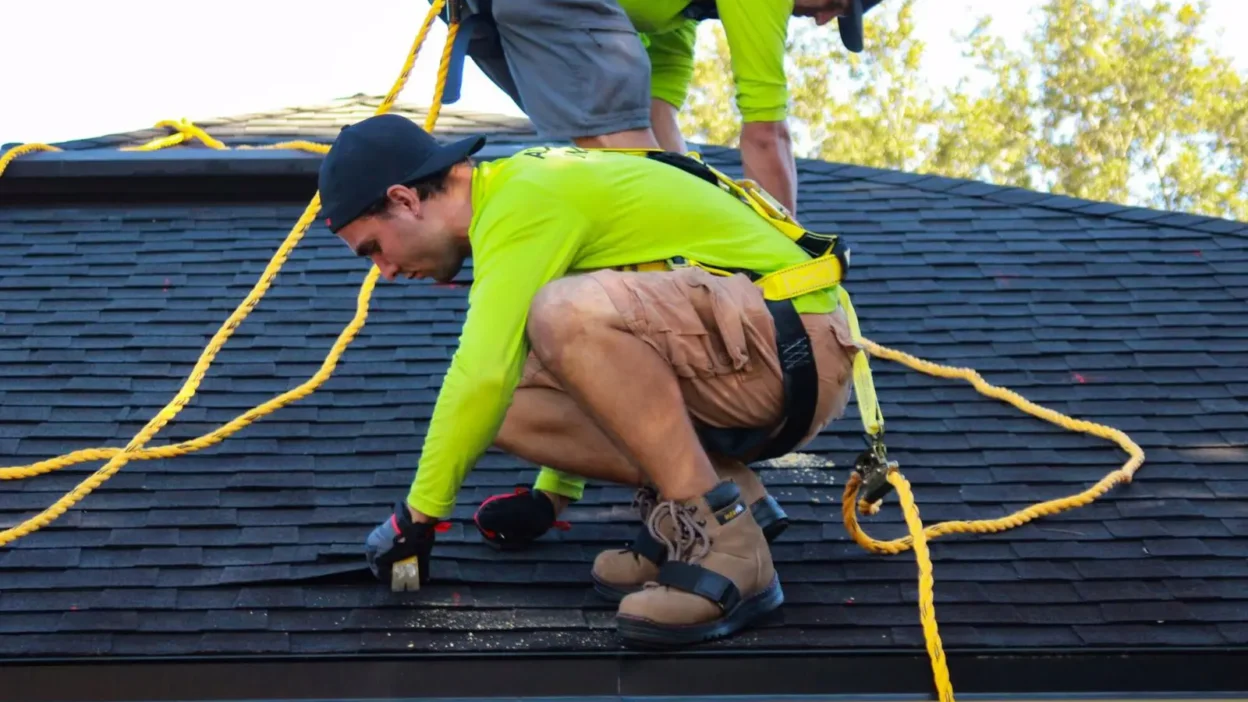
Weather-resistant roofing plays a crucial role in sustainable construction, providing long-lasting protection and eco-friendly building solutions.
As we face the effects of climate change, the way we build our homes and buildings is changing too. One of the most important aspects of building design is the roof. It protects us from rain, wind, snow, and sun, ensuring our comfort.
But roofs can do more than just provide shelter-they can also contribute to sustainable architecture. Weather-resistant roofing is a crucial element in this movement, offering long-lasting protection and eco-friendly solutions for modern buildings. A well-chosen roof can lower energy costs, reduce waste, and improve quality of life.
The Importance of Weather-Resistant Roofing
Why should we care about weather-resistant roofing? For starters, homes and buildings are often the largest investments we make. Weather-resistant roofs help protect this investment by reducing damage from extreme weather.
When roofs fail, repairs can be costly. Statistics show that approximately 15% of a building’s energy is lost due to poor roofing. Investing in quality roofs can help lower these expenses.
In addition, durable roofing materials last longer, helping to reduce waste in landfills. Every year, millions of tons of roofing waste are generated, contributing to environmental issues. By choosing weather-resistant options, we not only extend the life of the roof but also reduce our impact on the planet.
Types of Weather-Resistant Roofing Materials
Several materials are recognized for their weather resistance, each offering various benefits. Here are some common types:
Metal Roofing
Metal roofs are known for their incredible durability, often lasting over 50 years without needing major repairs. One of the key benefits of metal roofs is their ability to resist strong winds, making them a great choice for homes in areas prone to hurricanes or tornadoes. They also have a unique ability to reflect sunlight, which helps keep buildings cooler during the hot summer months.
Clay and Concrete Tiles
Clay and concrete tiles are heavy-duty materials that can withstand even the harshest weather conditions. They are made from natural materials and are designed to last, with some roofs lasting up to 100 years or more. The weight of these tiles also helps to provide extra stability to the roof, making them a great choice for homes in areas prone to earthquakes or high winds.
Shingles
Asphalt and fiberglass shingles are one of the most popular roofing options for homeowners. They are affordable, easy to install, and come in a wide range of colors and styles. Some shingles are even treated with special chemicals to resist algae and moss growth, which can help extend the life of the roof.
Green Roofing
Green roofing is an innovative and eco-friendly option that involves planting vegetation on the roof. This helps to insulate the building, reducing the need for heating and cooling, and also helps to manage stormwater runoff. Green roofs can be designed to include a variety of plants, from low-maintenance sedums to lush gardens and even trees.
Green roofs also provide a habitat for wildlife, such as birds and bees, and can even help to improve air quality. However, some critics argue that green roofs can be expensive to install and maintain, and may not be suitable for all types of buildings. Despite these challenges, green roofs remain a popular choice for builders and homeowners looking for a sustainable and environmentally-friendly roofing option.
By understanding these options, building owners can make informed decisions that promote sustainability.
Benefits of Weather-Resistant Roofing in Architecture
Weather-resistant roofing plays a significant role in promoting sustainability through various benefits. Here are some key advantages:
Energy Efficiency
One of the primary benefits is energy efficiency. Properly installed and insulated roofs reduce the amount of energy needed for heating and cooling. For example, reflective roofing materials can help maintain a building’s temperature, minimizing the need for air conditioning in the summer.
Water Management
Weather-resistant roofs can better handle rainfall and prevent leaks. They divert water away from the building, which helps protect the structure and ensures durability.
Reduction of Urban Heat Syndrome
Roofs contribute to the urban heat effect in cities, causing higher temperatures. Green roofs can help combat this issue by cooling rooftops and improving air quality.
Long-Term Cost Savings
Although weather-resistant roofing may require a higher upfront investment, the long-term savings through reduced energy bills and fewer repairs make it economical.
Examples of Sustainable Architecture Using Weather-Resistant Roofing
Many buildings around the world have embraced the use of weather-resistant roofing in their designs. Many modern eco-friendly homes utilize metal and green roofing solutions. These homes are designed to maximize energy efficiency and reduce environmental impact.
Companies investing in sustainable practices have begun to use roofs designed to last. For instance, offices with green roofs not only provide better insulation but also create rooftop gardens for employees.
Government buildings have increasingly adopted weather-resistant materials to promote sustainability and save taxpayer money through reduced maintenance costs. These examples illustrate the growing trend in architecture toward environmentally friendly building practices.
How to Choose the Right Roofing for Your Building
Choosing a weather-resistant roof may seem overwhelming given the various options available. Evaluate the weather conditions in your area. Choose a material that can withstand local weather patterns.
Consider the overall finances involved. While some materials may have a higher cost upfront, their durability may save you money in the long run.
The appearance of your roof matters. Choose a style and color that align with your vision for the building. Working with roofing professionals can provide insights.
For instance, if you’re in Pittsburgh, consulting with experts for Pittsburgh commercial roof repair can yield tailored solutions. By keeping these factors in mind, you can make informed decisions that contribute to sustainable architecture.
Future of Weather-Resistant Roofing in Sustainable Architecture
The future of weather-resistant roofing looks bright. As technology advances and awareness of sustainability increases, more innovative materials and methods will become available.
Research is ongoing into energy-generating roofs. These roofs can harness solar energy to power buildings. Such technologies can drastically reduce reliance on non-renewable energy sources.
With growing construction standards aiming for higher environmental responsibility, weather-resistant roofing will likely become even more prominent in architectural designs.
Building a Sustainable Future with Weather-Resistant Roofing
Weather-resistant roofing is vital in promoting sustainable architecture. Its ability to offer energy efficiency, protect our investments, and reduce our environmental footprint makes it invaluable. With numerous options available, people can choose materials that align with their goals and their local climate.
Whether you are considering a small structure or a large commercial site, investing in quality roofing will lead to lasting benefits. Protect your investment and the environment by choosing weather-resistant solutions.
For more helpful tips, check out the rest of our site today.
Also Read-Business Network Solutions That Power Reliable Operations