Are you passionate about supporting students with learning differences and want to make a meaningful difference in the world of education? Pursuing educational diagnostician programs prepares you to become an expert in identifying learning needs and crafting effective support strategies. By completing this specialized training, you’ll gain a broad range of skills designed to empower you to work collaboratively and confidently within diverse educational settings.
Educational diagnosticians play a pivotal role in assessing, planning, and coordinating the support needed to help students reach their full potential. This rewarding career not only demands a strong understanding of evaluation techniques but also requires excellent communication, problem-solving abilities, and a keen appreciation for ethical practice. Through rigorous coursework and hands-on experience, you’ll be equipped to navigate the complex realities of special education, advocate for students’ needs, and foster inclusive learning environments.
Comprehensive Assessment Techniques
One of the foundational roles of an educational diagnostician is performing comprehensive student evaluations. Programs teach you to master a variety of assessment methods, including standardized tests, curriculum-based assessments, observational checklists, and structured interviews. Understanding the nuances of each approach is essential, as these assessments form the basis for accurately identifying disabilities, developmental delays, or exceptional needs. Beyond basic proficiency, you will learn to select the proper assessment tools for each unique case and to synthesize findings from multiple sources. This ensures a holistic understanding of each student’s profile, laying the groundwork for effective intervention. By developing these advanced assessment skills, you’ll support school teams in making informed, student-centered decisions, all while adhering to best practices outlined by trusted industry resources.
Individualized Education Plan (IEP) Development
Developing Individualized Education Plans (IEPs) is both an art and a science. As a diagnostician, you will become skilled at translating assessment results into actionable and meaningful goals. This process requires ongoing collaboration among educators, families, and specialists to ensure that each IEP addresses the academic, behavioral, and social-emotional needs of each student. The program covers the full scope of IEP development, from initial referral and evaluation to writing clear objectives and progress monitoring. You’ll learn to advocate for evidence-based interventions and accommodations, ensuring students receive the support necessary to thrive in general education classrooms when possible. Ultimately, strong IEPs foster a cycle of goal setting, data tracking, and continuous improvement.
Enhanced Communication Skills
Educational diagnosticians regularly interact with teachers, school administrators, parents, and students. Exceptional communication skills are vital—whether you are analyzing assessment data, moderating meetings, or guiding families through complex processes. The ability to share technical information clearly and compassionately leads to better outcomes for students. Training focuses on active listening, nonverbal communication cues, and conflict resolution techniques. With these skills, you’ll navigate challenging conversations and empower families and colleagues to collaborate effectively. For more insight into effective communication in education, see the resources available on Edutopia.
Data Analysis and Interpretation
The role of data in modern education is undeniable. Educational diagnosticians must analyze and interpret student data to guide decision-making at every step of the support process. Programs at Northwest Missouri State University emphasize skills in statistical analysis, response-to-intervention (RTI) frameworks, and identifying trends within assessment data. By becoming proficient in synthesizing quantitative and qualitative data, you’ll deliver detailed reports and recommendations that inform instruction and intervention across multiple contexts. This analytical expertise is invaluable for continuous program improvement and accountability.
Legal and Ethical Considerations
Remaining up to date with evolving legal and ethical standards in special education is crucial for all diagnosticians. Courses cover essential topics, including the Individuals with Disabilities Education Act (IDEA), Section 504 of the Rehabilitation Act, students’ rights, and the requirements for privacy and confidentiality. Understanding legal mandates helps you ensure compliance while maintaining the highest levels of professional integrity and advocacy for every child.
Collaboration and Teamwork
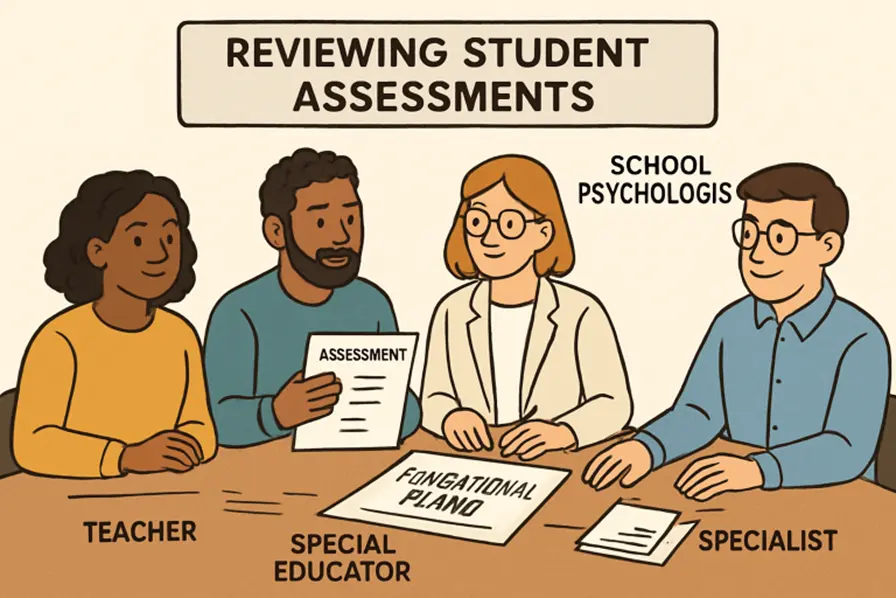
Educational diagnosticians rarely work in isolation—they are core members of multidisciplinary teams. Programs cultivate your ability to collaborate with teachers, speech-language pathologists, counselors, and other professionals. Teamwork strengthens student support by fostering integrated solutions for learning and behavioral challenges. You’ll learn best practices for facilitating productive meetings, engaging all stakeholders, and building trust within your educational community. Effective collaboration leads to stronger interventions and a shared vision for student success.
Problem-Solving and Critical Thinking
No two students are alike, and diagnosticians must navigate complex cases with creativity and resilience. You’ll develop advanced problem-solving techniques, learning to address data gaps, devise unique accommodations, and resolve disagreements related to eligibility or services. Critical thinking drives innovation—essential for overcoming barriers and advocating successfully for every learner.
Technological Proficiency
Technology is transforming special education assessment, from online testing to digital progress monitoring systems. Your training will position you to utilize the latest software for scoring, data storage, secure communication, and remote IEP meetings. Staying ahead of technological trends ensures you deliver efficient, accessible, and up-to-date services for today’s diverse classrooms.
Making an Impact Beyond Assessment
Through comprehensive skill-building and educational diagnostician programs, you will be prepared to be more than just an evaluator. You become an advocate, advisor, problem-solver, and leader who can drive meaningful change within schools and communities. By mastering assessment, communication, collaboration, and technology, you will play a crucial role in helping all students overcome challenges and achieve success.
Also Read-Optimizing Work Performance Through Smart Apparel Choices