
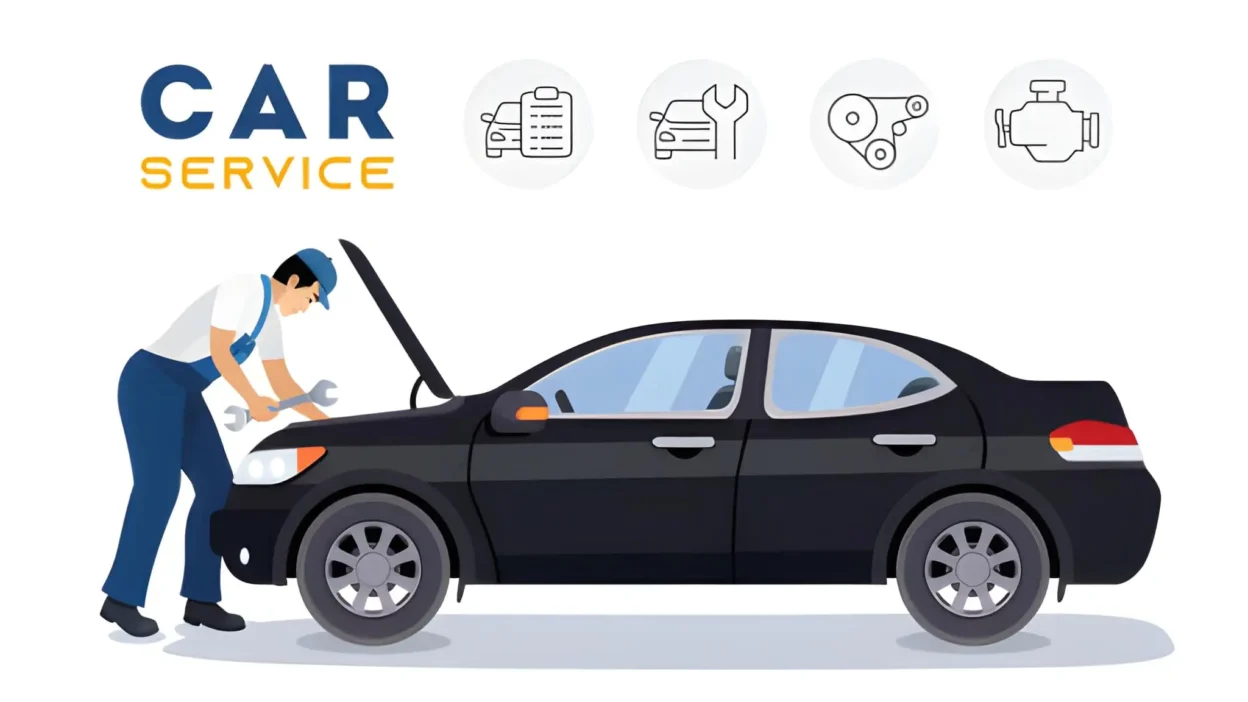
Owning a vehicle comes with ongoing responsibilities, and regular servicing is one of the most important yet often overlooked aspects of car ownership. Many drivers delay routine maintenance to avoid short-term expenses, assuming it will save money. In reality, consistent vehicle servicing helps identify minor issues before they develop into costly repairs. Simple checks on fluids, brakes, tires, and engine components can significantly improve performance, safety, and overall efficiency, making regular service a practical financial decision rather than an unnecessary cost.
Over time, preventive maintenance supports better fuel economy, extends the lifespan of key components, and reduces the likelihood of unexpected breakdowns. Vehicles such as a Honda, when maintained according to recommended service intervals, tend to retain their reliability and value for longer periods. Regular service also provides peace of mind by ensuring that the vehicle operates as intended under everyday driving conditions. By investing in routine maintenance, drivers can avoid larger repair bills and enjoy more predictable ownership costs in the long run.
Preventing Costly Repairs
When small issues go unchecked, they can quickly become major repairs. For example, neglecting to replace worn brake pads can damage your entire brake system. Addressing issues like this early during a routine service visit costs far less than waiting until the problem worsens. Technicians are trained to spot potential trouble areas during inspections, and acting on these recommendations helps you avoid unexpected repair bills down the road.
Improving Fuel Efficiency
Your car runs more efficiently when it is properly maintained. Services like oil changes, air filter replacements, and tire alignments directly influence how much fuel your vehicle burns. Clean oil reduces friction in the engine, and new air filters ensure an optimal air-fuel mix for combustion. Keeping your tires at the correct pressure not only improves safety but also reduces rolling resistance. Over time, small improvements like these can put a noticeable dent in your annual fuel expenses.
Extending Vehicle Lifespan
Cars are designed to last, but only with the right care. Routine maintenance, such as fluid flushes, belt inspections, and regular part replacements, can extend your vehicle’s operational life. By taking measures to reduce wear and tear, you ensure that vital systems like the engine, transmission, and suspension continue to perform as they should. A well-maintained vehicle is less likely to experience catastrophic failures, allowing you to get more miles out of your investment over the years.
Increasing Resale Value
When the time comes to sell or trade in your vehicle, a complete service record is one of your best assets. Buyers and dealerships alike view documented maintenance as proof of reliability. This can mean hundreds or even thousands of dollars in added value when compared to cars with an uncertain history. Investing in regular maintenance protects your car’s resale value and makes the selling process smoother and faster.
Enhancing Safety
Staying safe on the road is about more than careful driving. Routine inspections make sure your brakes, tires, lights, and steering continue to function as designed. Failing brakes or bald tires create hazards for you and others on the road. By catching these issues early, you significantly lower the risk of accidents. Additionally, ensuring that your lights and signals work properly helps other drivers anticipate your actions, improving safety for everyone.
Reducing Overall Ownership Costs
The true cost of owning a vehicle extends beyond repairs. Unexpected breakdowns lead to towing fees, missed work, and added stress. Well-maintained cars are less likely to leave you stranded, reducing the frequency and severity of these unplanned expenses. Insurance companies sometimes offer lower rates for vehicles with a consistent maintenance record, resulting in additional long-term savings.
Maintaining Warranty Coverage
For drivers with newer cars still under manufacturer warranty, following the recommended service schedule is essential. Skipping required services can void your warranty, leaving you responsible for repairs that otherwise would have been covered. Keeping accurate service records also makes it easier to submit warranty claims if something does go wrong, ensuring you are not hit with unnecessary out-of-pocket costs.
Conclusion
Regular vehicle servicing is a smart choice that delivers enormous financial and safety benefits over time. From better fuel economy and extended life span to increased resale value and improved safety, the returns from routine care far outweigh the upfront cost. Making regular servicing a priority means you are not only protecting your investment but also paving the way for years of worry-free driving.
Also Read
- Professional Cleaning Solutions for Business Environments
- Strategic Portfolio Management in Fintech: Best Practices for Optimized Returns
- How Rising Mortgage Rates Are Reshaping the Home Selling Landscape