A straight smile can change how you eat, speak, and connect with people. It can also feel out of reach when you first think about treatment. This guide walks you through four clear steps so you know exactly what to expect from your first visit to your last adjustment. You learn how the first consultation works. You see what happens when you commit to a plan. You understand how braces move your teeth over time. You also see how to protect your results for life. Each step is simple and clear. There is no guessing and no pressure. If you are thinking about braces in La Quinta, Ca, you deserve plain facts and steady support. You also deserve a team that respects your time, budget, and fears. Start by learning the process. Then decide what feels right for you and your smile.
Step 1: Your First Consultation
The first visit is a talk, not a treatment. You sit down and share your concerns. You may worry about crowded teeth, chewing pain, or teasing at school. You may feel nervous about costs. All of that belongs in this visit.
During a standard consultation, the team usually:
- Reviews your health and dental history
- Looks at your teeth, gums, and bite
- May take low dose digital X rays or photos
The goal is clear. You walk out knowing three things. You know if you need treatment. You know what type can help. You know a rough time frame and cost range.
You have the right to ask direct questions. You can ask how treatment may affect eating. You can ask how often you need to visit. You can ask how to handle a broken wire. Simple questions lead to strong choices.
For general facts on braces and tooth movement, you can read the American Dental Association page on orthodontics. It offers plain answers on why straight teeth support chewing and speech.
Step 2: Creating Your Treatment Plan
After the consultation, you receive a clear plan. This plan is your map. It shows where you are now and where you can end up.
A strong plan usually covers three points.
- Type of braces or aligners that fit your teeth and goals
- Estimated length of treatment
- Cost range and payment options
You can think of this step as setting the rules for the journey. You agree on what you want. You agree on how to get there. You agree on how to pay for it without shock or shame.
You may see different options. For example, metal braces may work faster for complex problems. Clear aligners may fit better with some work or school settings. Each choice has tradeoffs. What matters is honest talk about what you gain and what you give up.
Common Braces Options Compared
| Option | Visible on Teeth | Typical Use | Good Fit For |
|---|---|---|---|
| Metal braces | Yes | Mild to complex problems | People wanting strong control |
| Ceramic braces | Less | Mild to moderate problems | People worried about look |
| Clear aligners | Low | Mild to moderate problems | People who can wear trays as told |
You can also talk with your regular dentist. The National Institute of Dental and Craniofacial Research explains how teeth and jaws grow across childhood and adulthood on its oral health pages. This can help you time treatment for your child or teen.
Step 3: Life With Braces
Once braces go on, daily life changes. The first days may feel sore. Your cheeks may rub on brackets. Eating may feel strange. That stress is real. It also fades.
You can prepare with three simple habits.
- Use wax on sharp spots until your mouth adjusts
- Cut food into small pieces and chew slowly
- Rinse with salt water if your mouth feels tender
Food choices matter. Hard candy, ice, and popcorn can break wires or crack brackets. Sticky treats can cling to teeth. This raises your risk for decay and stains around braces. You protect your teeth when you pick soft, low-sugar foods and drink water often.
Cleaning also needs more care. You should:
- Brush after every meal
- Use floss threaders or small brushes between teeth and wires
- Keep regular cleanings with your dentist
Routine care is more effective after treatment when you guard your teeth during treatment. You protect your investment when you stay on top of brushing and flossing now.
Step 4: Retainers And Protecting Your New Smile
When the braces come off, you may think the work is done. The truth is different. Teeth can shift back. Jaws can change with time. A retainer keeps your hard-won result in place.
There are three common types of retainers.
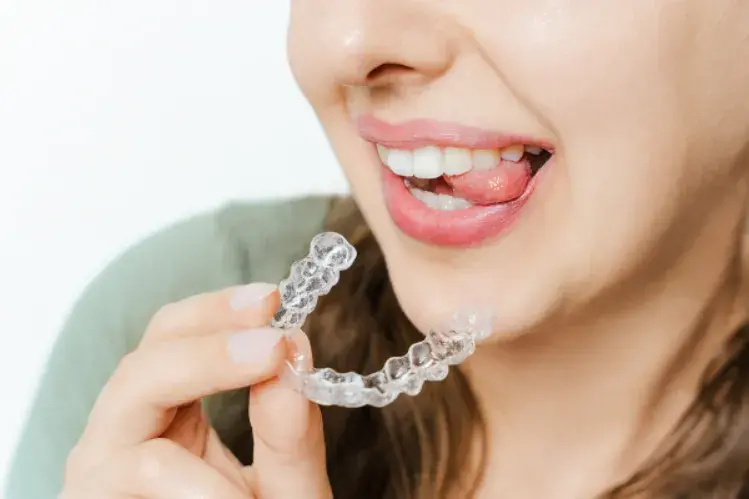
- Removable clear trays that fit over teeth
- Removable wire and plastic retainers
- Fixed wires behind front teeth
Your team tells you how long and how often to wear your retainer. Many people wear one full-time at first. Later, they moved to nights only. If you skip it, you risk crowding and spaces returning.
Protecting your new smile also means:
- Keeping regular dental checkups
- Wearing a mouth guard for sports
- Watching for grinding during sleep
These steps may feel small. They prevent painful problems and new costs. They also protect your confidence when you smile, chew, and speak.
Moving Forward With Confidence
The journey from consultation to a straight smile follows four clear steps. You start with an honest talk. You set a plan that fits your life. You adjust to braces and protect your teeth day by day. You then guard your results with a retainer and smart habits.
You do not need to walk this path alone. You deserve clear facts, steady guidance, and respect for your fears. When you know each step, you can choose care that matches your goals and your family’s needs. That knowledge is power. It lets you claim a smile that feels strong, clean, and proud.
Also Read
- How Group Health Insurance Agents in South Carolina Are Reshaping Employee Wellness
- 🌳Tree of Life Symbol Meaning: Spiritual and Cultural Insights
- Clear Legal Guidance for Strong Business Agreements