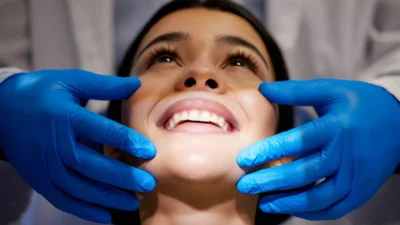

Your teeth change as your life changes. Childhood accidents, teenage braces, coffee in your thirties, or grinding in your sixties all leave marks. Cosmetic dentistry can match each stage of your life. It can repair damage. It can protect what you still have. It can also support your health, not just your smile.
Today, care is flexible. You have choices that fit your age, comfort, and budget. You might choose simple whitening in your twenties. You might need crowns in midlife. You might want implants later on. Each step can be planned to match your goals and your body.
Local options matter too. Services like Lakewood Ranch Invisalign, porcelain veneers, and tooth-colored fillings can be tailored to children, adults, and older adults. This blog explains four clear ways cosmetic dentistry can adjust to every age group so you can make decisions that feel safe and informed.
1. Matching Treatment To Each Life Stage
Every age brings different teeth needs. You do not need a movie star smile. You need a mouth that feels strong and works well. Appearance follows that.
Here is how cosmetic care often changes as you age.
| Age group | Common needs | Cosmetic options |
|---|---|---|
| Children | Chips, early decay, injury | Tooth-colored fillings, simple bonding |
| Teens | Crowding, gaps, stains from braces | Clear aligners, mild reshaping, basic whitening when safe |
| Adults | Wear, stains, old silver fillings, minor cracks | Whitening, veneers, crowns, replacement of old fillings |
| Older adults | Missing teeth, gum loss, broken teeth | Implants, bridges, partial dentures, full-mouth repair |
You and your dentist can choose from the same toolbox at any age. The difference is how that toolbox is used for your body, your health, and your goals.
2. Adapting Cosmetic Care For Children And Teens
Young mouths grow fast. One hard fall can chip a front tooth. One deep cavity can spread. Cosmetic work at this age must be gentle and easy to adjust.
For children, dentists often use:
- Tooth-colored fillings that blend with baby and adult teeth
- Bonding to fix small chips after accidents
- Simple reshaping of sharp edges that bother the tongue or lips
Teens bring new stress. Sports, braces, and social pressure can hurt confidence. Care must protect the teeth and also respect growth.
For teens, you might see:
- Clear aligners that straighten teeth without metal
- Minor contouring to even out edges once growth slows
- Careful whitening when the dentist confirms it is safe
The Centers for Disease Control and Prevention explains that early tooth repair supports speech, eating, and school focus. Cosmetic work for children is not about vanity. It is about comfort, function, and self-respect.
3. Shaping Cosmetic Choices For Adults
By your thirties or forties, your teeth carry years of use. Coffee, tea, stress, and old fillings show. You may feel embarrassed. You may also feel tired of pain or sharp edges.
Cosmetic dentistry for adults often focuses on three goals.
- Remove stains and even color
- Repair cracks and worn edges
- Replace old metal fillings that show when you talk or laugh
Your dentist might suggest:
- Whitening to lift surface stains from food, drink, or tobacco
- Veneers to cover heavy stains, gaps, or pitted enamel
- Crowns to shield teeth that have large fillings or root canals
- Clear aligners to fix crowding that makes cleaning hard
The American Dental Association shares that aligned teeth are easier to clean and less likely to decay. Straighter teeth look different. They also help prevent gum disease, bone loss, and bad breath.
Adults also carry work stress and family duties. You might need shorter visits. You might need payment plans. You can ask for a step-by-step plan that spreads work over months or years. That plan can start with what protects your health first. It can then move to what changes your look.
4. Supporting Older Adults With Durable Cosmetic Care
Later in life, your mouth can feel fragile. You may have missing teeth, dry mouth from medicine, or dentures that rub. Cosmetic dentistry at this stage must focus on strength and safety.
Common needs for older adults include:
- Replacing missing teeth so you can chew and speak
- Fixing broken or loose teeth that cut your tongue or cheeks
- Adjusting old dentures that slip or click
- Softening sharp edges that hurt thin gums
Options can include:
- Dental implants that act like roots for single teeth or bridges
- Bridges that fill gaps when implants are not right for you
- Partial or full dentures shaped to your gums and bite
- Tooth-colored crowns that shield weak teeth
You may worry that you are too old for this work. You are not. Your dentist will look at your health history, medicines, and bone strength. Together, you can choose what feels safe and realistic.
Choosing What Works For You At Any Age
Cosmetic dentistry is personal. It should never feel rushed or forced. You have the right to clear facts, simple language, and time to think.
When you talk with your dentist, you can ask:
- What problem are you fixing
- What options exist for my age and health
- How long each option lasts
- How each choice affects daily life, like eating and cleaning
- What the plan is if something breaks or hurts later
Your mouth carries your story. It also carries your future meals, laughs, and words. With careful planning, cosmetic dentistry can support you as a child, a teen, an adult, and an older adult. It can help you feel ready to smile without fear at every stage of life.
Also Read
- Professional Sanitation Solutions for Business Facilities
- Understanding Different Types of Life Insurance Options
- Integrating Tech Solutions for Enhanced Manufacturing Efficiency

James is a senior editor at axprassion.com with over a decade of experience in crafting compelling narratives and making complex topics accessible. His articles and interviews with industry leaders have earned him recognition as a key influencer by organisations like Onalytica. Under his leadership, publications have been praised by analyst firms such as Forrester for their excellence and performance. Connect with him on