Car trouble can happen at any time. A small problem can quickly become a major repair if it is ignored. The good news is that many breakdowns can be prevented with regular care and quick action.
Learning how to spot issues early and maintain your vehicle properly can save money and reduce stress. Read on to learn the best approaches for fixing car issues and avoiding breakdowns.
Pay Attention to Early Warning Signs
Most vehicles give warning signs before a serious problem develops. Drivers who notice these signs early can often avoid costly repairs. Strange noises, unusual smells, warning lights, and changes in performance should never be ignored.
A squealing sound may point to worn brakes, while a rough-running engine could signal fuel or ignition issues. Many people continue driving even after noticing these signs. This often allows the problem to become worse.
Taking action as soon as possible helps reduce repair costs and prevents further damage. Paying attention to your vehicle every day is one of the simplest ways to avoid breakdowns.
Follow a Consistent Maintenance Schedule
Regular maintenance is one of the most effective ways to keep a vehicle running properly. Manufacturers create service schedules to help owners protect important vehicle systems. These schedules include oil changes, filter replacements, tire rotations, fluid inspections, and other routine services.
Skipping maintenance may save money in the short term, but it often leads to larger repair bills later. Routine service helps identify worn parts before they fail.
It also improves reliability and performance. Drivers who follow maintenance schedules are less likely to experience unexpected problems on the road.
Keep Engine Oil Clean and Full
Engine oil is essential for proper vehicle operation. It lubricates moving parts and helps control engine temperature. Without enough oil, engine components can wear out quickly.
Drivers should check oil levels regularly and change the oil according to the manufacturer’s recommendations. Dirty oil loses its ability to protect the engine effectively. Low oil levels can also lead to overheating and severe engine damage.
Checking oil only takes a few minutes but can prevent thousands of dollars in repairs. It is one of the easiest maintenance tasks any driver can perform.
Monitor Important Vehicle Fluids
Modern vehicles depend on several fluids to operate correctly. Coolant prevents overheating, brake fluid supports stopping power, and transmission fluid helps gears shift smoothly. Power steering fluid and windshield washer fluid are also important.
Drivers should inspect fluid levels regularly and look for signs of leaks. Puddles under the vehicle may indicate a problem that needs attention. Fluids that appear dirty or discolored may also need replacement.
Maintaining proper fluid levels helps keep vehicle systems working efficiently and reduces the chance of mechanical failure.
Take Care of Your Tires
Tires affect safety, handling, and fuel efficiency. Poor tire maintenance can increase the risk of accidents and breakdowns. Drivers should check tire pressure regularly and inspect tires for damage.
Underinflated tires wear out faster and reduce fuel economy. Overinflated tires can affect ride quality and handling. Uneven tread wear may indicate alignment or suspension problems.
Rotating tires at recommended intervals helps them wear evenly. Replacing worn tires before they become unsafe improves traction and overall driving safety.
Keep the Battery in Good Condition
A weak battery is one of the most common reasons vehicles fail to start. Battery problems often appear without much warning. Regular inspections can help identify issues before a complete failure occurs.
Look for corrosion around battery terminals and clean it when necessary. Pay attention to slow engine cranking, dim headlights, or electrical problems. These signs may indicate that the battery is losing strength.
Most batteries have a limited lifespan. Replacing an aging battery before it fails can help prevent unexpected breakdowns and inconvenience.
Address Brake Problems Quickly
Brakes are one of the most important safety systems in any vehicle. Even minor brake issues should be taken seriously. Squealing sounds, grinding noises, vibrations, or reduced stopping power all require attention.
Brake pads naturally wear down over time. Replacing them before they become excessively worn helps protect other brake components. Ignoring brake problems can increase repair costs and create dangerous driving conditions.
Routine brake inspections help ensure safe and reliable performance. Drivers should never delay repairs involving the braking system.
Watch for Cooling System Issues
The cooling system prevents the engine from overheating. It includes components such as the radiator, coolant, hoses, and thermostat. If one part fails, the engine may overheat.
Overheating can cause severe engine damage and expensive repairs. Drivers should monitor temperature gauges and inspect coolant levels regularly. Signs of cooling system trouble include coolant leaks, steam from the engine area, and rising engine temperatures.
Addressing cooling system problems early helps prevent serious mechanical failures.
Replace Worn Belts and Hoses
Belts and hoses may seem small, but they perform critical functions. Drive belts help power systems such as the alternator and water pump. Hoses transport coolant and other fluids throughout the vehicle.
Over time, these components can crack, wear out, or become brittle. A broken belt or damaged hose can leave a driver stranded.
Regular inspections help identify wear before failure occurs. Replacing these parts when needed is a simple way to avoid unexpected breakdowns.
Listen and Feel for Changes
Many vehicle problems reveal themselves through changes in how the car sounds or feels. Vibrations, unusual handling, or strange noises often indicate developing issues.
For example, steering wheel vibrations may point to tire balance problems. Clunking sounds could indicate suspension wear. A burning smell may signal overheating or fluid leaks.
Drivers who stay aware of these changes can address problems before they become major repairs. Learning how your vehicle normally behaves makes it easier to spot trouble early.
Use Quality Parts for Repairs
When repairs are needed, quality matters. Cheap replacement parts may seem like a good way to save money, but they often wear out faster and may not perform as well.
High-quality parts typically last longer and provide better reliability. They also help maintain vehicle safety and performance. Investing in quality components often reduces long-term repair costs.
Choosing trusted parts and professional installation helps ensure repairs are completed correctly the first time.
Work With Trusted Professionals
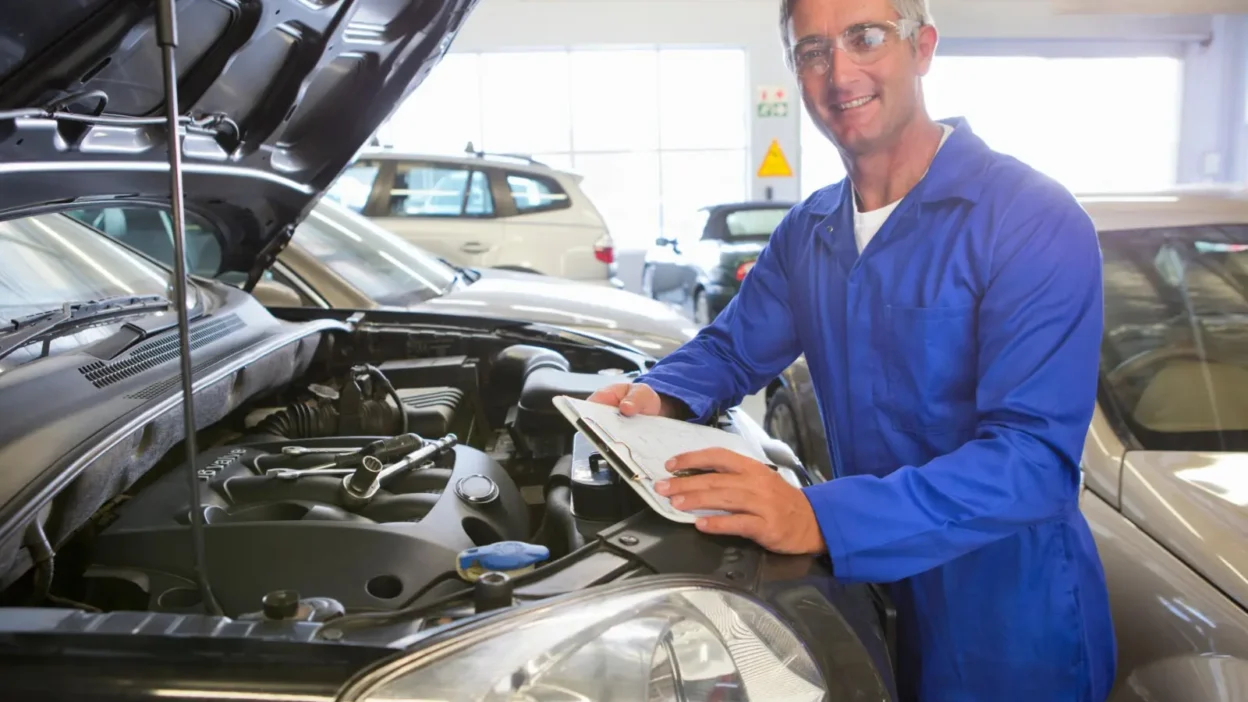
Some vehicle problems require specialized tools and expertise. Professional technicians can diagnose issues accurately and perform repairs safely.
Many drivers rely on experienced providers such as Fort Collins car repair services to keep their vehicles in excellent condition. Skilled technicians can identify hidden problems and recommend effective solutions before a breakdown occurs.
Building a relationship with a trusted repair shop helps make vehicle ownership easier and less stressful.
Keep Maintenance Records
Maintaining service records provides several benefits. These records help drivers track completed maintenance and plan future services. They also provide useful information when diagnosing recurring problems.
Detailed records can increase resale value as well. Buyers often prefer vehicles with documented maintenance histories because they show responsible ownership.
Good recordkeeping helps ensure that important services are not forgotten.
Practice Smart Driving Habits
Driving habits affect vehicle wear and tear. Aggressive acceleration, sudden braking, and speeding place extra stress on many components.
Smooth driving reduces strain on the engine, transmission, brakes, and tires. Maintaining safe speeds and avoiding unnecessary hard stops can help extend vehicle life.
Good driving habits also improve fuel efficiency and reduce maintenance costs over time.
Prepare for Seasonal Changes
Different seasons create different challenges for vehicles. Hot weather can strain cooling systems and batteries. Cold weather can affect tire pressure, battery performance, and engine starting.
Seasonal inspections help ensure the vehicle is ready for changing conditions. Checking fluids, tires, and battery health before extreme weather arrives can prevent many common problems.
Preparing ahead of time reduces the risk of breakdowns during busy travel periods.
Carry Basic Emergency Supplies
Even well-maintained vehicles can experience unexpected issues. Carrying basic emergency supplies can help drivers stay safe while waiting for assistance.
Useful items include jumper cables, a flashlight, bottled water, a phone charger, a tire pressure gauge, and a first-aid kit.
A basic tool kit can also be helpful for minor issues. Being prepared provides peace of mind and improves safety during emergencies.
Understand the Value of Prevention
Many drivers focus on repairs only after something breaks. A preventive approach is usually more effective and less expensive. Regular inspections, routine maintenance, and early repairs help reduce the risk of major failures.
Preventive care keeps vehicles operating efficiently and safely. It also helps owners avoid unexpected expenses and inconvenience. Small investments in maintenance often lead to significant savings over time.
Don’t Delay Small Repairs
Small car problems often seem harmless at first, but they can grow into serious issues over time. A minor leak, a loose belt, or a small noise may not affect driving right away, so many drivers ignore them.
However, these small issues usually get worse and can lead to bigger breakdowns. Fixing problems early is almost always cheaper and easier than waiting. Taking quick action helps protect other parts of the vehicle and keeps it running smoothly for longer.
All About Fixing Car Issues and Avoiding Breakdowns
Avoiding vehicle breakdowns starts with paying attention to small problems and following a consistent maintenance routine. Regular inspections, fluid checks, tire care, and prompt repairs all play an important role in keeping a vehicle reliable.
By taking a proactive approach and addressing issues early, drivers can reduce repair costs, improve safety, and enjoy greater confidence every time they get behind the wheel.
If you’d like to learn more, check out more articles on our blog.
Also Read-Integrating Tech Solutions for Enhanced Manufacturing Efficiency

James is a senior editor at axprassion.com with over a decade of experience in crafting compelling narratives and making complex topics accessible. His articles and interviews with industry leaders have earned him recognition as a key influencer by organisations like Onalytica. Under his leadership, publications have been praised by analyst firms such as Forrester for their excellence and performance. Connect with him on