
Table of Contents
- Understanding Supply Chain Vulnerabilities
- Leveraging Technology for Enhanced Resilience
- Strategic Shoring and Diversification
- Sustainable Practices in Supply Chain Management
- Collaborative Approaches to Supply Chain Strengthening
- Conclusion
Industrial supply chains today must contend with an array of unpredictable global forces. In a landscape marked by rapidly changing market conditions, emerging technologies, and an increasing frequency of disruptions, resilience is the defining trait of successful organizations. As manufacturers and distributors adapt to the unexpected, partnering with trusted regional providers like Cruco Mill & Industrial Supply North Carolina has become an essential strategy for mitigating risk and driving efficiency. Building resilience means not only weathering disruptions but also emerging stronger, prepared for future challenges.
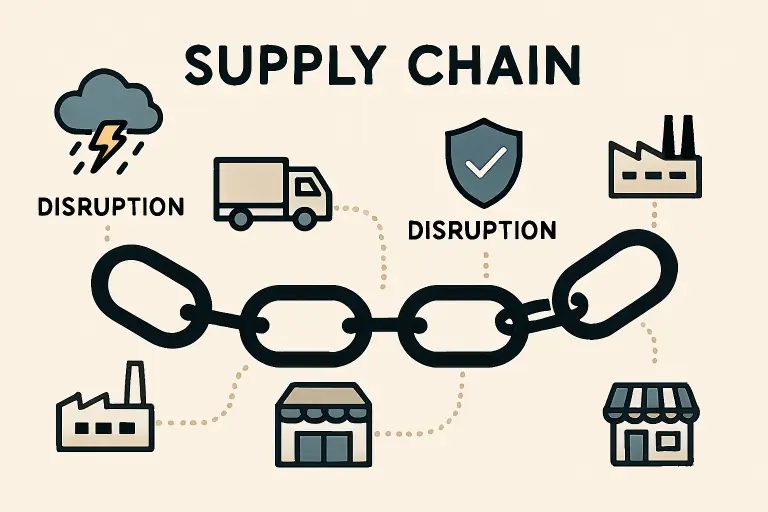
From cybersecurity threats to climate-driven disasters, vulnerabilities in conventional supply chains are frequently exposed. Companies are under pressure to transform their operations, seeking technology-driven solutions and strategic approaches to ensure continuity. Whether you are a supplier, manufacturer, or logistics professional, understanding and addressing the weak links in industrial supply chains is pivotal for business longevity and competitiveness. This article offers a comprehensive roadmap for strengthening supply chains through technology, strategic partnerships, and sustainable best practices.
Understanding Supply Chain Vulnerabilities
Every supply chain is a complex, interconnected web influenced by external factors and internal processes. One significant vulnerability lies in limited visibility beyond immediate tier-one suppliers. Without insight into upstream partners, businesses are often unaware of looming risks. For example, a recent analysis of a commercial smart air compressor revealed dangerous cybersecurity flaws, including hardcoded credentials and unauthenticated APIs. This finding demonstrates the importance of applying robust cybersecurity standards to the entire supply chain, not just within organizational perimeters. Organizations must systematically identify and address points of exposure, implement rigorous due diligence, and develop contingency protocols for both digital and physical threats.
Disruptions can emerge from unexpected directions, such as geopolitical strife, supplier insolvencies, or even regulatory shifts. Researchers from MIT and the Council on Foreign Relations cite the COVID-19 pandemic and recent geopolitical conflicts as critical lessons in how quickly vulnerabilities can propagate. Their analyses indicate that transparent, flexible supply chains equipped to detect early warning signals are far more likely to adapt successfully to adverse events. Fixing the Global Supply Chain. This renewed focus on transparency and real-time monitoring is now a standard for businesses seeking an ongoing competitive advantage.
Leveraging Technology for Enhanced Resilience
Advancements in digital technology now enable rapid identification, analysis, and mitigation of disruptions throughout the supply chain. Artificial intelligence (AI) and machine learning are increasingly popular tools, providing predictive analytics that enable companies to anticipate trends and preemptively address issues. One notable study introduced an AI framework that autonomously tracked, analyzed, and responded to disruptions with a significantly faster turnaround than manual oversight. This AI-driven monitoring not only improves a company’s ability to respond to crises but also fine-tunes ongoing processes for efficiency and risk mitigation.
Digital twins, blockchain for provenance, and real-time IoT sensors are also transforming industrial supply chain management. According to Gartner, the future of supply chain resilience relies on integrating these technologies to create a virtual replica of the end-to-end chain, providing actionable insights and enabling swift corrective action. With these innovations, organizations can pinpoint bottlenecks, manage inventory dynamically, and establish direct communication with suppliers and logistics partners.
Strategic Shoring and Diversification
To become more adaptable and limit the fallout from single-source dependencies, companies are adopting nearshoring, onshoring, and supplier diversification. By diversifying supplier bases geographically and by capability, organizations reduce the risk that an isolated event affects the entire operation. A recent World Economic Forum report spotlights end-to-end supply chain transformation, recommending not only geographic diversification but also coordinated investment in technology, process innovation, and workforce development, and boosting Manufacturing Supply Chains in a New Industrial Era.
Firms are also collaborating more closely with regional suppliers to improve reliability and response times. For example, working closely with an industrial supplier within North Carolina provides direct access to skilled specialists, more predictable logistics, and better supplier relationships—strengthening the chain against unpredictable market swings or disruptions. This regional focus is increasingly seen as the cornerstone of a modern, resilient supply strategy.
Sustainable Practices in Supply Chain Management
Long-term supply chain viability depends on integrating sustainability into daily decision-making. AI-powered optimization can significantly reduce emissions by enhancing logistics routes and improving resource allocation, ultimately supporting organizational commitments to environmental stewardship. Companies leveraging data-driven sustainability can benefit from operational efficiencies and meet both regulatory and consumer demands.
According to a McKinsey & Company report, companies that have adopted sustainable sourcing practices not only minimize environmental impact but also mitigate financial risk and enhance their reputations among clients and stakeholders—the Next Generation Digital Supply Chain. Sustainability-driven innovations, including recyclable packaging, energy-efficient warehousing, and proactive compliance measures, are becoming indispensable pillars of strong industrial networks.
Collaborative Approaches to Supply Chain Strengthening
Resilience is amplified when organizations, suppliers, and partners work collaboratively. The World Economic Forum highlights the benefits of programmatic supply chain finance, advising supply chains to be viewed and managed as coherent investment portfolios. This mindset shift enables targeted capacity building and systematic upgrades across the ecosystem, ensuring all partners are aligned in driving long-term value and responsiveness.
Cross-industry alliances, such as industry consortia, public-private partnerships, and knowledge-sharing initiatives, are further accelerating progress on the resilience and innovation fronts. By fostering relationships, sharing data, and jointly investing in key capabilities, companies not only reduce costs but also build networks that can flex and respond during both opportunities and crises.
Conclusion
The imperative for a grows as the world becomes increasingly volatile and interconnected. The proven path forward involves understanding vulnerabilities, harnessing new digital tools, implementing regional diversification, embedding sustainability, and fostering collaborative ecosystems. By following these strategies, organizations position themselves to thrive, whatever the future may bring.
Also Read-Flexible Funding Solutions for Modern Businesses