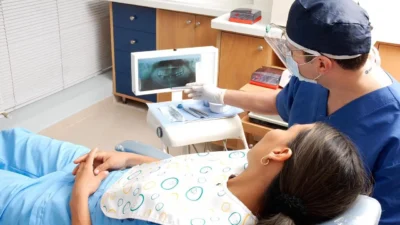
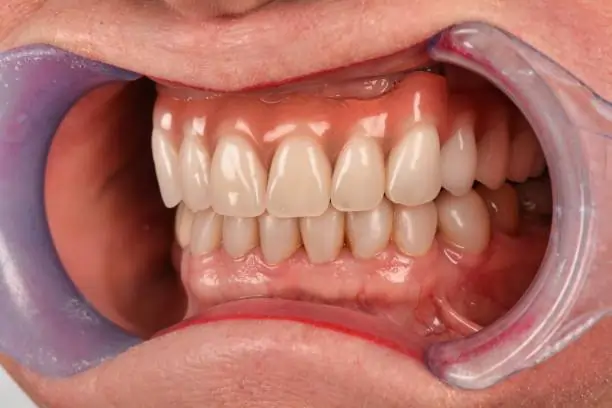
Full mouth dental implants offer a new lease on life, restoring both the appearance and function of a natural smile. If you’re considering this advanced restorative solution or have recently received your implants, understanding how to care for them is essential to preserving your investment and protecting your oral health. For expert treatment options in your area, learn more about full mouth dental implants Walnut Ridge, AR.
Proper care is essential for the longevity of dental implants, which, although not prone to decay, require regular maintenance to protect the surrounding gums and bone. Neglect can lead to gum disease and other oral health issues; therefore, daily hygiene and preventive measures are vital. This guide provides professional advice, lifestyle modifications, and dietary recommendations for maintaining optimal oral health with implants, ensuring strong and beautiful results for years to come.
Daily Oral Hygiene Practices
Consistent oral hygiene is the cornerstone of successful implant maintenance. Unlike removable dentures, full mouth dental implants function like natural teeth and must be cleaned thoroughly every day. Consider integrating the following habits into your routine:
- Brushing: Brush at least twice a day using a soft-bristled toothbrush and low-abrasive toothpaste. Use gentle, circular motions at the gumline to prevent irritation while thoroughly cleaning around the implants.
- Flossing: Use implant-specific floss or interdental brushes to clean between your implants. Water flossers are also highly effective at reaching areas that may be missed by traditional floss, reducing plaque accumulation and promoting gum health.
- Mouthwash: Opt for a non-alcoholic, antimicrobial mouthwash to help reduce bacteria and promote healthy gum tissue. Gently swishing after meals can help maintain a fresh and clean environment around your implants.
Regular Dental Check-Ups
Routine dental visits are essential for monitoring the health of your implants and the surrounding structures. Professional assessments and cleanings address areas that daily care may overlook, catching early signs of trouble.
- Professional Cleanings: Dental professionals utilize specialized tools to remove stubborn plaque and tartar, particularly from hard-to-reach areas. This helps prevent peri-implant diseases.
- Examinations: Your dentist will assess the fit, stability, and health of your implants, as well as examine your gums and jawbone for any signs of infection or bone loss. Early detection ensures simpler, more effective treatment.
Dietary Considerations
What you eat can have a direct impact on the success and longevity of your dental implants. Both the immediate post-surgery period and your long-term diet require mindful planning.
- Soft Foods: Immediately following surgery, stick to soft foods such as yogurt, pureed vegetables, and scrambled eggs. This minimizes stress on new implants and supports healing.
- Hard and Sticky Foods: Avoid foods like nuts, hard candies, and caramel, which can damage the crowns or abutments of your implants. Biting very hard foods may lead to mechanical complications or even dislodge parts of your restoration.
- Balanced Diet: Focus on nutrient-rich foods that support oral health—fresh fruits, leafy greens, lean proteins, and calcium-rich dairy all help maintain strong gums and bones.
Lifestyle Modifications
Certain lifestyle habits can put your dental implants at risk. Making positive changes is crucial for healing, maintaining tissue health, and ensuring implant longevity.
- Smoking: Tobacco use reduces blood flow, slowing healing and increasing the risk of implant failure. Quitting smoking before and after implant surgery is highly recommended.
- Alcohol Consumption: Excessive alcohol intake can irritate the gum tissues, slow recovery, and foster an environment for infections. Limit consumption, especially in the initial healing period.
Protective Measures
Additional protective strategies can further enhance the long-term health of your whole mouth dental implants:
- Mouthguards: If you have a habit of grinding or clenching your teeth, a custom nightguard can prevent chipping and excess pressure on your implants while you sleep.
- Hydration: Adequate water intake supports saliva production, which naturally protects against bacteria and helps keep the mouth clean throughout the day.
Recognizing Potential Issues
Awareness of early signs of trouble can spare you more serious issues—and possible implant loss—down the line. Common symptoms to watch for include:
- Swelling, Redness, and Bleeding: Persistent inflammation or bleeding near the implant can be a sign of infection or irritation.
- Discomfort or Loosening: Any movement of the implant or unexplained pain should prompt an immediate dental consultation.
If you notice any changes or discomfort, please don’t hesitate to contact your dental provider promptly to prevent further complications and ensure timely intervention.
Conclusion
Long-lasting, healthy full mouth dental implants begin with informed, proactive care. From diligent daily hygiene and routine dental visits to thoughtful dietary choices and necessary lifestyle adjustments, each step plays a significant role in preserving the strength and beauty of your smile. By remaining vigilant and responsive to potential issues, you can enjoy a confident smile and optimal oral health for years to come.
Read more: Benefits of Selling Your Home to a Real Estate Investor
Streamlining Dental Insurance Claims and Payments: A Guide for Practices
What Does Halal Mean? The Meaning Most People Miss