Dumpster rentals are a common part of residential renovation, cleanup, and improvement projects, but having a large container placed in a neighborhood can raise questions for homeowners who have never used one before. From placement logistics to neighborhood considerations, understanding what to expect helps prevent surprises and keeps projects running smoothly.
This article provides a practical overview of how dumpster rentals typically function in residential neighborhoods and what homeowners should plan for.
Why Dumpster Rentals Are Used in Residential Areas
Residential projects often generate more waste than curbside trash service can handle. Kitchen remodels, flooring replacements, roof repairs, garage cleanouts, and estate cleanups all produce bulky or heavy debris in short periods of time.
Dumpster rentals provide temporary, centralized containment that keeps waste off lawns, sidewalks, and shared spaces. This helps maintain a cleaner environment during projects and reduces repeated trips to disposal facilities.
Placement Options and Considerations
In most neighborhoods, dumpsters are placed in driveways because they offer a stable surface and minimize street obstruction. When driveway placement is not possible, street placement may be used instead. This option often depends on local rules and available space.
Homeowners should consider access for delivery trucks, overhead clearance, and proximity to work areas. Planning placement in advance helps avoid last-minute adjustments on delivery day.
Neighborhood Impact and Visibility
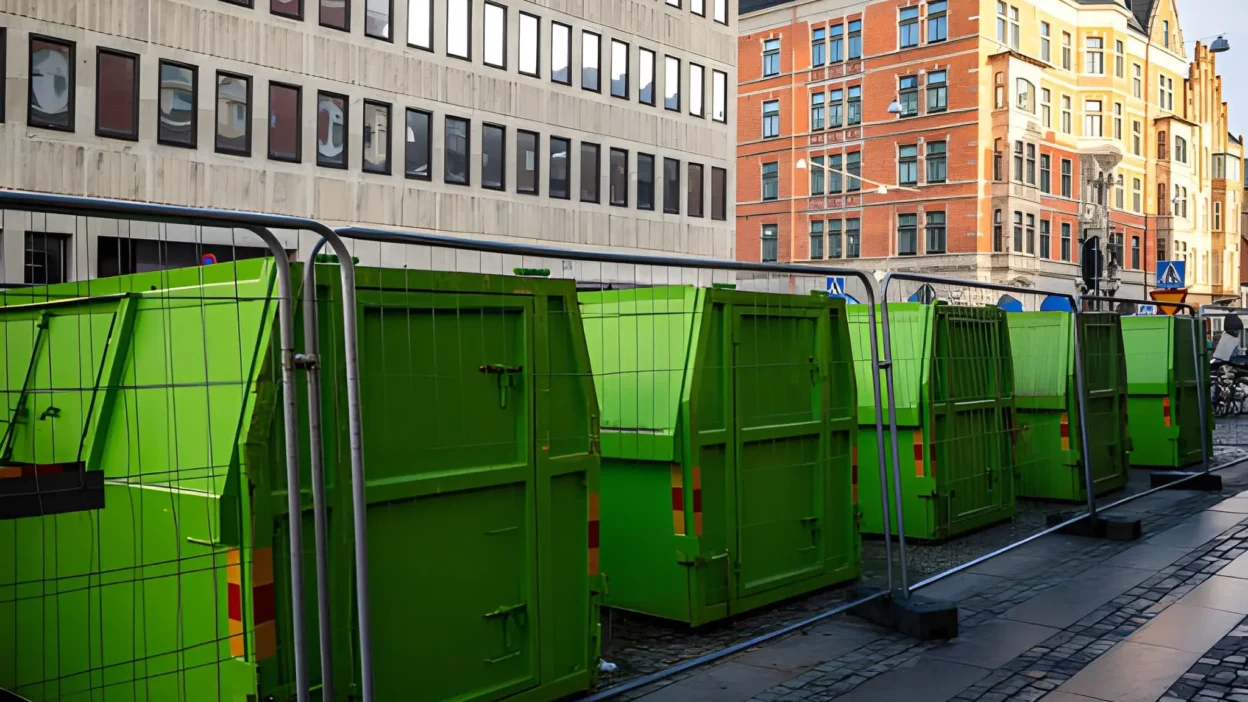
A dumpster can be noticeable in a residential setting, especially in areas with close-set homes or homeowner associations. While temporary, its presence may affect parking, sightlines, or shared access points.
Most residential dumpster rentals are scheduled for the shortest duration needed, reducing disruption to neighbors. Clear placement and timely removal help maintain good neighborhood relations throughout the project.
Permits and Local Guidelines
Some municipalities require permits for placing dumpsters on public streets or rights-of-way. Homeowner associations may also have specific rules regarding placement, duration, or container appearance.
Checking local requirements before scheduling delivery helps prevent delays, fines, or requests to relocate the container after it arrives.
Managing Use During the Project
Once the dumpster is in place, proper use helps keep the site orderly. Distributing debris evenly, avoiding overfilling, and following material guidelines all contribute to smooth pickup and removal.
Clear communication with contractors or helpers about disposal expectations reduces confusion and keeps waste handling consistent throughout the project.
Scheduling Delivery and Removal
Residential dumpster rentals are typically delivered shortly before demolition or cleanup begins and removed once debris-heavy work is complete. Coordinating timing prevents the container from sitting unused or overstaying its welcome in the neighborhood.
Homeowners researching options may encounter providers such as Waste Removal USA along with local services. In most cases, scheduling flexibility and placement support matter more than brand differences.
What Homeowners Should Expect Overall
Dumpster rentals in residential neighborhoods are designed to be temporary and functional. When planned properly, they support home projects without causing unnecessary disruption. Most issues arise from lack of preparation rather than the presence of the dumpster itself.
Having a dumpster in a residential neighborhood is a normal part of many home improvement projects. By understanding placement options, local guidelines, and timing considerations, homeowners can manage waste efficiently while minimizing impact on their surroundings.
With thoughtful planning, dumpster rentals become a practical support tool that helps residential projects move forward in an organized and predictable way.
Also Read-⚓ Anchor Symbolism : Spiritual Meanings in Life, Christianity & Tattoos