
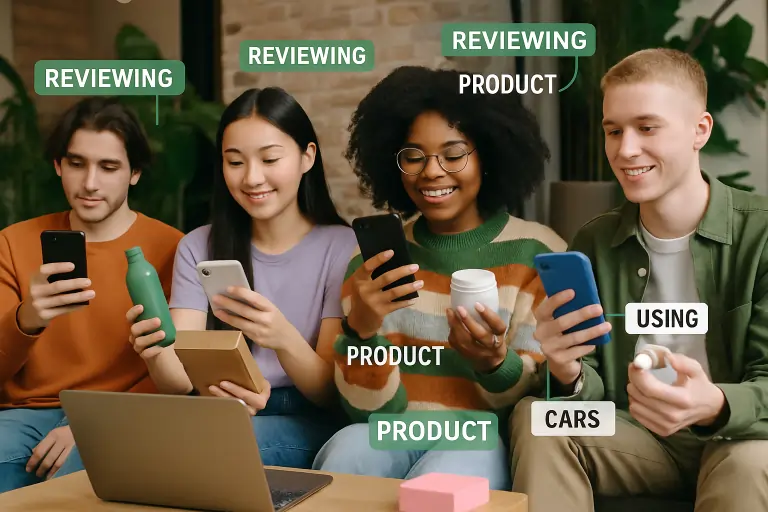
Understanding Gen Z’s Unique Characteristics
Gen Z, the digitally native generation born between the mid-1990s and early 2010s, brings a new set of values and behaviors to the forefront of product testing. This demographic is characterized by its passion for authenticity, a strong commitment to social and environmental responsibility, and a preference for highly personalized experiences. Brands looking to capture the attention and trust of Gen Z must design product-testing initiatives rooted in these distinctive qualities.
Launching successful product testing with Gen Z is not just about releasing something new and hoping it resonates. Instead, it is about engaging with a cohort that scrutinizes brands for transparency and relevance. Expert partners, such as teen & tween product testing by The Benchmarking Company, have become vital to the process. The Benchmarking Company is an established leader in consumer research specializing in the unique needs, preferences, and feedback of teens and tweens. Their service covers a full range of product categories, including beauty, lifestyle, and personal care, making them a trusted authority for brands wanting accurate insights from real users. By leveraging their expertise, brands can conduct compliant, meaningful product tests that reflect Gen Z’s true opinions and expectations.
Building Trust Through Authentic Engagement
To win the trust of Gen Z consumers, brands must demonstrate genuine and transparent interaction at every stage of the product testing process. Gen Z values honesty, and they are quick to disengage from marketing or communication that feels staged or insincere. Peer recommendations and real testimonials have a greater impact than traditional advertising, underscoring the importance of fostering authentic conversations and feedback loops with Gen Z. These connections can make or break the outcome of any testing campaign.
Leveraging Digital Platforms for Product Testing
Gen Z’s daily routine revolves around digital environments, so robust online engagement is indispensable. Platforms like Instagram, TikTok, and YouTube have become the spaces where Gen Z discovers new products and shares their opinions. Brands that creatively incorporate these channels into their product testing initiatives receive richer, more immediate feedback. Viral moments, such as TikTok “dupe” challenges that compare affordable alternatives to popular products, amplify brand visibility and offer real-life usage insights from Gen Zers themselves.
Incorporating User-Generated Content
User-generated content (UGC) plays a critical role in Gen Z product testing. Encouraging participants to post unfiltered reviews, videos, or images of themselves using products helps create a sense of inclusiveness and community. This content is trusted more by Gen Z than brand-originated messages and spreads organically through social sharing. The feedback from UGC not only strengthens product credibility but also provides brands with honest perspectives that can shape future product iterations.
Ensuring Ethical and Transparent Practices
For Gen Z, ethical practices are not optional; they are expected. This cohort pays close attention to how brands operate, from sourcing ingredients to handling data privacy. Product testing efforts that clearly communicate ethical standards and transparent methods win favor with this generation. Brands must go beyond compliance and proactively address sustainability, inclusivity, and honest communication.
Collaborating with Gen Z in Product Development
Active collaboration with Gen Z throughout the product development lifecycle can be transformative. Inviting Gen Z consumers to participate in brainstorming sessions, prototype testing, or focus groups adds authenticity to the design process. Brands like Target have reaped the rewards of incorporating Gen Z’s input into everything from marketing to merchandise development, creating products that resonate with the way this demographic lives, shops, and shares.
Utilizing Data-Driven Insights
Data analytics has become a game-changer for understanding Gen Z. Brands that harness quantitative and qualitative data from social media trends, digital engagement metrics, and direct survey feedback can refine their testing strategies. This approach enables data-backed decision-making, ensuring that products align with Gen Z preferences and evolving expectations for personalization and purpose.
Partnering with Experts in Teen and Tween Product Testing
Navigating the nuances of teen and tween engagement is complex, which is why collaboration with research experts is invaluable. Firms like The Benchmarking Company offer specialized teen & tween product testing services informed by years of experience, deep consumer panels, and industry-leading methodologies. Their solutions give brands access to actionable insights, removing guesswork and enabling the development of products that connect with young consumers in a meaningful, authentic way.
Conclusion
Successfully testing products with Gen Z requires a comprehensive and nuanced strategy. By placing authenticity, ethical practices, and data analysis at the heart of their product testing and working hand in hand with proven research partners, brands can unlock the full potential of Gen Z’s influence. The brands that thrive will be those that listen closely, adapt quickly, and commit to transparent, two-way relationships with the next generation of consumers.
Read more: How Often Are Wrongful Termination Cases Won
How Beard Care Improves Confidence and Professional Image
Thomas Ryan Guglielmo: Practical Insight Into Six Sigma Lean Business Strategies