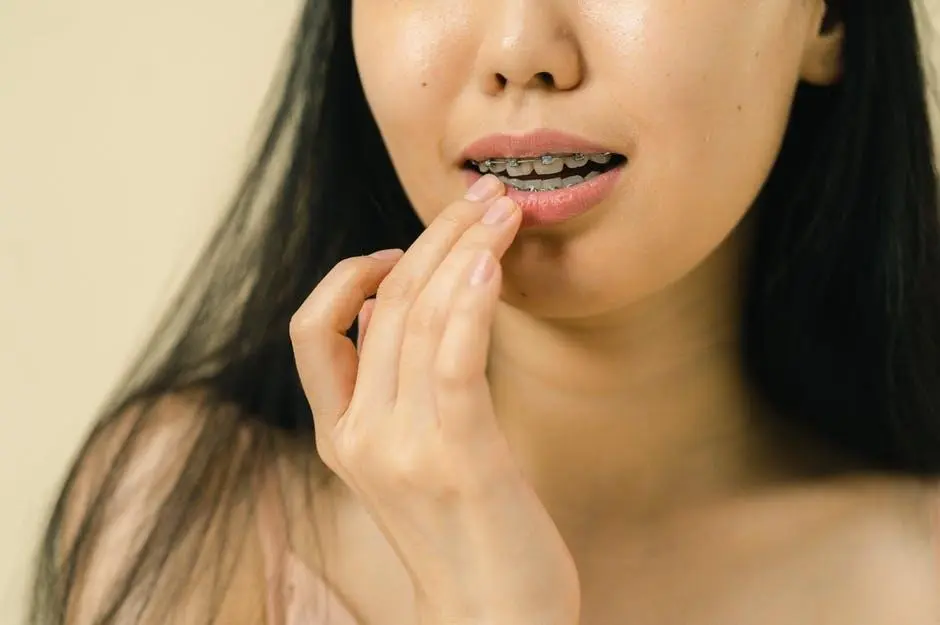
A healthy smile does more than look good in photos. The way your teeth fit together can affect how you chew, clean your mouth, and feel when speaking. When teeth are crowded or your bite feels uneven, everyday tasks may become harder.
Orthodontic care uses braces, clear aligners, and other tools to move teeth into better positions. Treatment is different for each person, and not every concern needs correction. Understanding the possible benefits can help you decide whether an assessment makes sense.
Make Daily Cleaning Easier
Crowded or overlapping teeth can create narrow spaces that are hard to reach. Food and plaque may collect there, even when you brush every day. Straightening certain teeth can make those areas easier to clean.
That does not mean braces prevent cavities on their own. You still need fluoride toothpaste, daily cleaning between teeth, and regular dental visits. During treatment, extra care around wires or attachments is often needed.
Ask your dental team to show you how to clean around your appliance. A small change in technique can make your routine more effective. Good habits matter during treatment and long after it ends.
Build Confidence Through Better Oral Care
Feeling comfortable with your smile can affect how you interact with others. Some people become more willing to smile in photos or speak in groups after treatment. Yet appearance is only one reason to explore orthodontics.
An initial visit can help you learn what treatment may involve. Practices such as Lustig & Young Orthodontics can be a starting point when comparing care options. Ask about the expected timeline, costs, and how often you would need appointments.
Before choosing a plan, consider these everyday needs:
- Easy appliance cleaning
- Comfortable eating habits
- Clear treatment costs
- Time for regular visits
- Long-term retainer care
Support a More Comfortable Bite
Your upper and lower teeth should meet in a way that supports normal function. Some bite problems can make chewing awkward or place uneven pressure on certain teeth. An orthodontist can check whether tooth position plays a role.
Treatment may improve how the teeth fit together, but it is not a cure for every jaw problem. Jaw pain, clicking, and headaches can have several causes. These symptoms need a proper assessment rather than a quick assumption.
If you notice changes in how you bite, describe them at your appointment. Explain which foods are difficult to chew and where you feel discomfort. Clear details help your provider plan care around your needs.
Protect Your Results Over Time
Orthodontic treatment does not end when braces come off. Teeth can shift after treatment, so retainers often play an important role. Your orthodontist will explain when and how to wear yours.
This can help protect your new alignment. Keep attending routine dental checkups and tell your provider if a retainer stops fitting. Avoid trying to force a damaged appliance into place.
A Healthier Smile Starts With Good Choices
Orthodontics may help with cleaning, chewing, and confidence when tooth alignment is causing problems. The benefits depend on your needs and the treatment chosen. A qualified assessment can help you set realistic goals.
Want more ways to care for your smile? Explore our other blog posts for simple dental tips and helpful wellness ideas.
Also Read
- Integrating Tech Solutions for Enhanced Manufacturing Efficiency
- Professional Sanitation Solutions for Business Facilities
- Why a Home-Like Setting in Senior Living Improves Comfort, Well-Being, and Quality of Life

James is a senior editor at axprassion.com with over a decade of experience in crafting compelling narratives and making complex topics accessible. His articles and interviews with industry leaders have earned him recognition as a key influencer by organisations like Onalytica. Under his leadership, publications have been praised by analyst firms such as Forrester for their excellence and performance. Connect with him on