You work hard for what you own. You want a clear plan so the court does not decide what happens to your home, savings, or family keepsakes. Probate can drain time and money. It can also expose private family issues to the public. You can avoid that. This guide explains how to use simple legal tools so your assets move to the people you choose. You will see how wills, trusts, and beneficiary forms work together. You will also learn what mistakes cause court fights. Each step is legal and tested. Each step helps you stay in control. If you already have a plan, you can still update it. You do not need to be rich. You only need clear instructions. For more help, visit lisa-law.com and use this guide as a starting point for a safer future for your family.
What Probate Is And Why You Want To Avoid It
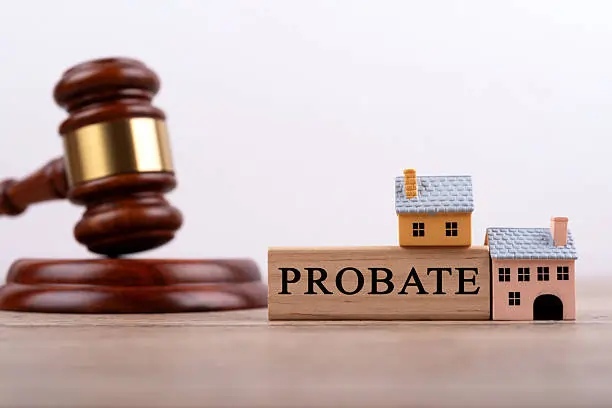
Probate is the court process that settles a person’s estate after death. The judge reviews the will, settles debts, and approves who gets what. If there is no will, state law decides who receives property.
Probate can cause problems for your family.
- It takes time. Many cases last months or longer.
- It costs money. Court fees and legal costs reduce what your family receives.
- It is public. Anyone can see court records, including family disputes.
You reduce this strain when you move assets outside probate. You also lower the chance of ugly conflict at the worst time.
You can read a plain description of probate and wills on the USA.gov wills and estate page.
Key Tools To Avoid Probate
You avoid probate by using legal tools that pass property directly to others. Each tool has a clear purpose. Many people use three main tools together.
- A will
- A living trust
- Beneficiary designations and transfer on death forms
Each tool covers different property and different life events. When you combine them, you build simple protection.
Wills: What They Do And What They Do Not Do
A will states who receives your property and who cares for minor children. It can also name someone to manage your estate. You sign it with the right witnesses as your state requires.
A will is important. It still goes through probate. It does not keep your estate out of court. It only guides the court.
You use a will to
- Choose guardians for children
- Set clear gifts for people or charities
- Name an executor or personal representative
You still need other tools if you want your family to avoid probate.
Living Trusts: A Strong Way To Avoid Probate
A living trust is a legal document that holds property for your benefit during life. You stay in control. You can change or cancel it while you are alive and have capacity.
You name
- Yourself as trustee while you are alive
- A backup trustee if you die or cannot manage things
- Beneficiaries who receive property after your death
When you die, the backup trustee follows the trust instructions. The property in the trust passes to your beneficiaries without probate. The trust stays private. The court often does not need to review it.
Beneficiary Designations And Transfer On Death Forms
Many accounts let you name a person who receives the funds when you die. This simple step also avoids probate.
Common examples include
- Retirement accounts such as 401(k) and IRA accounts
- Life insurance policies
- Payable on death bank accounts
- Transfer on death deeds or titles for real estate and vehicles in some states
These designations override your will. If the will says one thing and the form says another, the form usually wins. That is why you must keep every form current.
You can learn more about beneficiary choices for retirement savings through the U.S. Department of Labor retirement benefits guide.
Joint Ownership And Small Estate Options
Some people use joint ownership to avoid probate. For example, you might own a house with a spouse as joint tenants with right of survivorship. When one person dies, the survivor owns the whole house. The property passes outside probate.
This can help, but it carries risk.
- The joint owner’s debts or divorce can put your property at risk.
- Adding one child and not others can cause deep anger.
- Tax results may not match your goals.
Many states also offer small estate procedures. These quicker options apply when the total estate stays under a set dollar amount. Each state sets its own limit and process.
Comparison Of Common Probate Avoidance Tools
| Tool | Goes Through Probate | Stays Private | Good For | Main Risk |
|---|---|---|---|---|
| Will | Yes | No | Guardians, backup plan | Does not avoid probate |
| Living Trust | No, if funded | Yes | Homes, savings, family control | Failure to move assets into trust |
| Beneficiary Forms | No | Yes | Retirement accounts, insurance | Outdated or missing forms |
| Joint Ownership | Often no for first death | Yes | Married couples, shared home | Exposure to co-owner problems |
| Small Estate Process | Yes, but shorter | Usually no | Modest estates under state limit | Not available if assets exceed limit |
Steps To Protect Your Assets And Your Family
You can move forward in clear steps. You do not need to finish everything in one day.
- List what you own. Include your home, bank accounts, retirement savings, insurance, business interests, and personal items.
- Check how each asset is titled. Note if it is in your name, joint names, or a trust.
- Review all beneficiary forms. Confirm that each form matches your current wishes.
- Create or update your will. Name guardians for children and a trusted executor.
- Discuss a living trust with a qualified attorney. Decide if it fits your state laws and your goals.
- Store documents in a safe place. Tell trusted people where to find them.
- Review your plan after big life events, including marriage, divorce, birth, death, or a move to a new state.
Common Mistakes That Trigger Probate Fights
You lower conflict when you avoid common mistakes. Some of the most painful problems start with simple oversights.
- No plan at all. State law then controls who receives your property.
- Old beneficiary forms that name an ex spouse or a deceased person.
- A trust that exists on paper but owns no assets.
- Promises made in conversation that do not match written documents.
- Unclear or unfair treatment of children from different relationships.
Honest talks with family now can ease hurt later. Written clarity is the strongest gift you can leave.
When To Seek Legal Help
Estate law is state specific. Rules differ across state lines. A step that works in one state might fail in another. A licensed attorney who focuses on estate planning can explain your state rules and help you avoid costly errors.
Legal help is wise when you
- Own a home or rental property
- Have a blended family
- Own a business
- Care for a family member with a disability
- Expect conflict among heirs
Your planning today shields your family from confusion and court battles later. Clear choices now move your assets to the people you love, with less delay and less pain.
Read more: The Connection Between Bookkeepers And Stronger Financial Decisions
How Professional Landscaping Services Solve Milwaukee’s Toughest Yard Challenges
How Innovative Therapies Are Changing the Outlook for Depression Treatment

James Joyce was a master of symbolism and consciousness, weaving deep spiritual and psychological layers into modern literature. His writings uncover the sacred within the ordinary, exploring how meaning and divinity flow through human thought, memory, and experience.