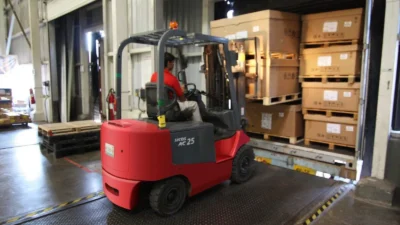
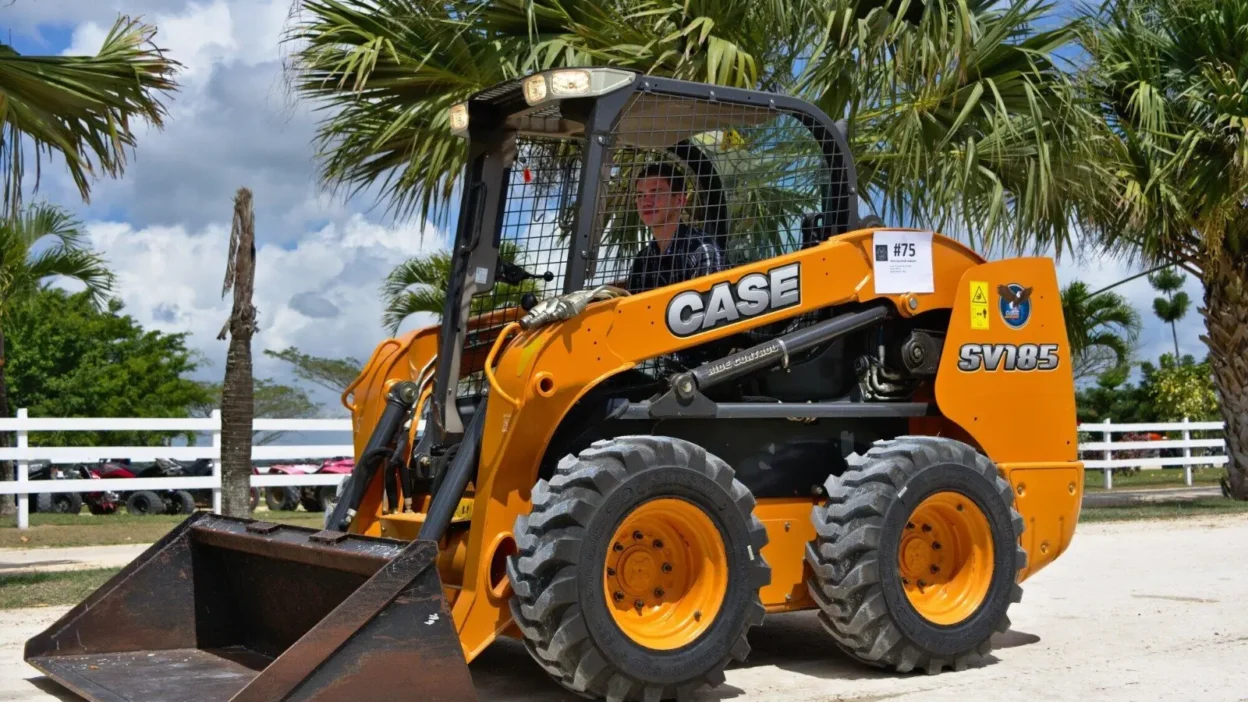
Landscaping efforts are optimized with skid steers, providing flexible equipment solutions for excavation, site prep, and material handling.
Landscaping projects can move faster and look better with the right tools. Skid steers bring power, speed, and flexibility to almost any outdoor job. They handle digging, grading, lifting, and clearing with ease.
But using them well takes more than just turning the key. Smart planning and simple techniques can help you get the most out of every pass. Small changes can save time, reduce effort, and improve results.
Whether you are shaping a yard or clearing land, the right approach makes a big difference. These tips will help you work smarter and finish strong.
Choose the Right Attachment
Choosing the right attachment is key to getting good results with skid steers. Different jobs need different tools, like buckets for digging, forks for lifting, or grapples for clearing.
Using the wrong attachment can slow you down and make you work harder. Always match the tool to the task for better control and safety. Think about the material, space, and job type before starting.
The right choice saves time, fuel, and effort. It also helps you finish cleaner and faster, with fewer mistakes on every landscaping project you take on, for better results.
Master the Controls
Start slow and learn how each movement affects the machine. Smooth control helps you work safely and avoid damage. Practice turning, lifting, and stopping in open areas before starting real jobs.
Pay attention to how the machine responds to small inputs. This builds confidence over time. Good control reduces mistakes and improves speed. It also helps protect the ground and materials you are working with.
The better you know your machine, the easier every landscaping task becomes.
Optimize Material Handling
Skid steers can move soil, rocks, mulch, and debris quickly when used correctly. Always plan your loads to avoid overfilling or wasting trips. Keep materials balanced to prevent spills and improve safety.
Work in steady movements instead of rushing through tasks. This helps reduce strain on the machine and saves fuel. Place materials close to where they are needed to cut down travel time.
Good handling methods make your job faster and cleaner. With practice, you can move large amounts of material with ease every time.
Utilize a Multi-Use Approach
Using a multi-use approach helps you get more value from your skid steer. One machine can handle many tasks if you switch attachments wisely. This reduces the need for extra equipment on site.
You can dig, lift, grade, and clear with the same unit. It saves time, space, and money. Plan your tasks in order so you can change attachments less often. This keeps work flowing smoothly.
A flexible approach also helps you handle unexpected changes in the job. With the right setup, your skid steer becomes a powerful all-in-one tool for every project.
Maintain Your Equipment
Keeping your skid steer in good condition is very important for safety and performance. Regular checks help you find small problems before they become big ones.
Clean the machine after each use to avoid dirt buildup. Check oil, tires, and hydraulic parts often. Replace worn parts as soon as needed.
A well-maintained machine works better and lasts longer. It also reduces downtime on the job. Simple care steps can prevent costly repairs.
When your equipment runs smoothly, your landscaping work becomes easier and more reliable, without unnecessary delays.
Train Your Workforce
Every worker should know how to operate the machine before starting any task. Training reduces accidents and improves confidence on the job.
Teach simple steps first, then move to advanced skills. Make sure everyone understands safety rules and machine limits. Practice in open spaces helps build control and awareness.
A trained team works faster and makes fewer mistakes. Good training also protects equipment and materials. It leads to better results and smoother teamwork on every landscaping project done.
Consider Environmental Impact
Thinking about the environment is important during landscaping work. Skid steers can affect soil, plants, and nearby areas if not used carefully.
Try to reduce fuel use by planning efficient routes. Avoid unnecessary digging or movement that damages the ground. You should also use clean and well-maintained machines to lower emissions.
Always choose methods that protect natural spaces around your worksite. Working responsibly helps keep outdoor areas healthy. It also shows respect for nature while still completing your landscaping tasks smartly.
Maximize Efficiency with Proper Timing
It is good to start jobs early when weather conditions are best and visibility is clear. Plan tasks in a smart order to avoid wasting time. Group similar tasks together to reduce machine changes.
Avoid working in poor weather that slows progress. Proper timing also helps reduce stress on workers and equipment. When you work at the right time, everything flows better.
You can finish projects faster and with less effort. Planning your schedule carefully makes every job smoother and more efficient from start to finish.
Leverage Technology
Modern technology can make skid steer work much easier and faster. Many machines now come with smart systems that help track performance and fuel use.
For instance, GPS tools can guide movement and improve accuracy on large sites. Digital plans help you see the job before starting. This reduces mistakes and saves time.
Technology also helps monitor machine health and alert you to issues early. Using these tools can improve safety and efficiency.
However, if purchasing isn’t feasible for your landscaping needs, consider Skid steer & Posi-Track hire options. Rental can help you scale your work, whether for small projects or bigger landscaping tasks. This provides a practical way to access the right machine without high upfront costs.
The best part? You avoid maintenance worries since the equipment is serviced by the provider. This keeps your project running smoothly and on schedule.
Plan Your Worksite Layout
Planning your worksite layout helps you work safely and efficiently. A clear layout reduces confusion and keeps machines moving smoothly.
Place materials, tools, and access paths in easy reach. This avoids wasted time and unnecessary movement. Good planning also helps prevent accidents and damage.
With a well-organized setup, you can reduce stress on the job site, since everyone knows where things belong and how traffic flows.
Tips for Enhancing Your Landscaping Efforts
The right tools, smart planning, and steady habits all work together for better outcomes. Focus on safety, efficiency, and proper timing in every task. Keep learning and refining your approach as each project comes.
Ready to upgrade your workflow? Start applying these tips today and see how much easier your landscaping work can become with the right approach.
Did you find this article helpful? Check out the rest of our blog now!
Also Read-Integrating Tech Solutions for Enhanced Manufacturing Efficiency

James is a senior editor at axprassion.com with over a decade of experience in crafting compelling narratives and making complex topics accessible. His articles and interviews with industry leaders have earned him recognition as a key influencer by organisations like Onalytica. Under his leadership, publications have been praised by analyst firms such as Forrester for their excellence and performance. Connect with him on