Hearing changes happen gradually, and many adults ignore early warning signs for months. Conversations in crowded rooms turn into muddled noise, making routine social gatherings feel exhausting.
Modern tools now provide practical ways to manage these auditory shifts with ease. Taking proactive steps early helps people stay connected to family, work, and community life.
Understanding Changes in Daily Sound Perception
Age and loud noise can affect the tiny cells inside your ears. High-pitched sounds, such as children’s voices, may become harder to hear. You might miss quiet speech sounds or need to ask people to repeat themselves.
Trying to understand unclear speech can be tiring. Following conversations in noisy places may leave you feeling stressed or worn out. Some people avoid social events because they find group conversations difficult.
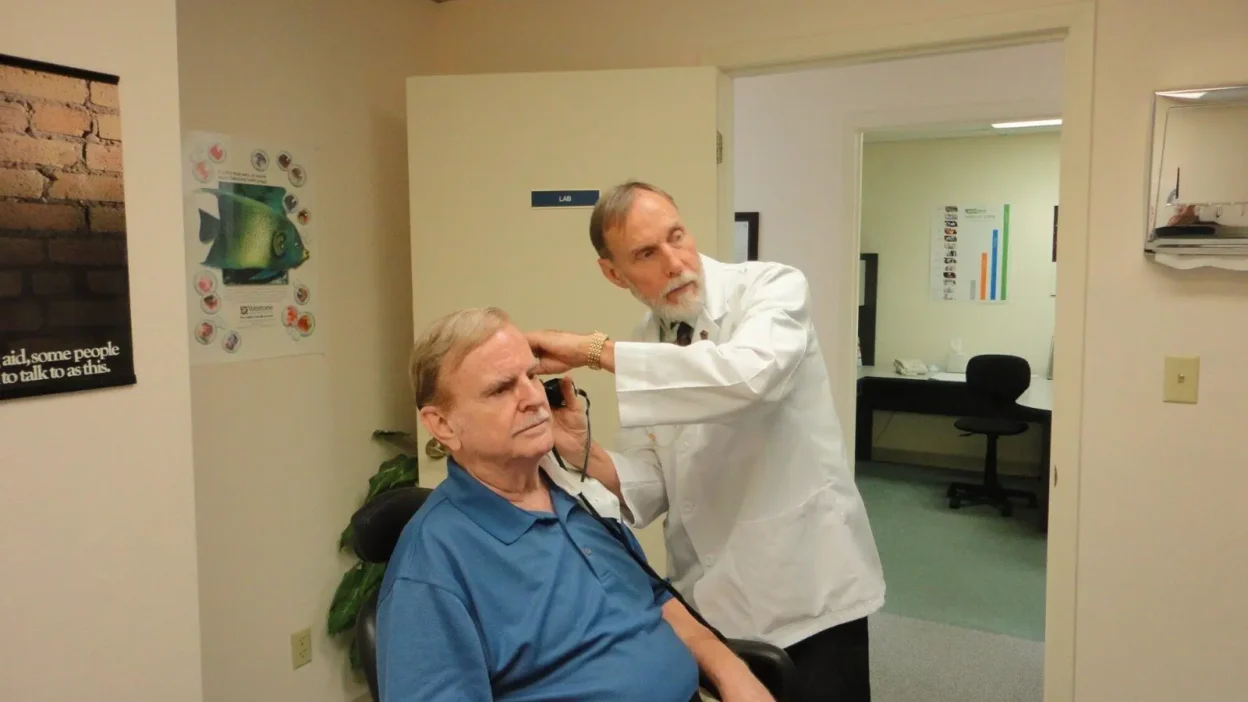
A hearing test can help identify changes in your hearing. It checks how well you hear different sounds and pitches. Finding hearing problems early can help you explore ways to hear more clearly and take part in daily conversations.
How Digital Signal Processing Improves Sound Quality
Digital signal processing helps hearing aids make speech clearer. Tiny computer chips study sounds and adjust them quickly. They can make voices easier to hear while reducing some background noise.
Directional microphones help focus on the person speaking in front of you. Sounds from traffic or kitchen appliances may become less noticeable. This can make conversations easier to follow in busy places, such as cafes.
Hearing aids can reduce unwanted whistling sounds. This feature is called feedback control. It detects and stops the sound before it becomes loud. As a result, hugging someone or wearing a hat may be less likely to cause annoying whistles.
Choosing the Right Style for Everyday Comfort
Finding a comfortable physical style begins with an evaluation of individual ear shape and listening routines. People exploring hearing aids in Bundaberg discover that discreet form factors fit neatly behind the ear without drawing attention. Modern lightweight shells sit securely in the canal through long workdays.
Behind-the-ear instruments store powerful amplifiers and long-running batteries in curved exterior casings. Slim tubing channels clear audio directly into the ear opening with minimal bulk. Users wear them from breakfast to bedtime without ear fatigue or discomfort.
In-the-canal devices sit directly inside the ear opening for an unobtrusive profile. Custom ear impressions match exact anatomical contours to prevent annoying pressure points. These subtle models suit active professionals who want unnoticeable hearing support during client meetings.
Wireless Streaming and Smartphone Integration
Modern hearing aids can connect to phones, tablets, and TVs without wires. Sound goes straight into both ears, making phone calls and other audio easier to hear. This can provide clear sound with little delay.
Smartphone apps let users change volume and sound settings quietly. They can adjust the sound for places like restaurants, cinemas, or parks.
Wireless features offer many useful benefits:
- Clear calls
- TV sound at chosen volume
- Remote microphones for meetings
Bluetooth makes it easy to switch between devices, such as a phone and a laptop. Users can enjoy calls, shows, and other audio without extra cables.
Artificial Intelligence in Modern Acoustic Devices
Artificial intelligence helps modern hearing aids adjust to different sounds. Sensors can detect whether you are in a quiet room or near busy traffic. The device then changes sound levels automatically, so you do not need to adjust them yourself.
AI can help separate speech from background noise. This makes it easier to hear people in busy places, such as restaurants. Some devices focus on the person speaking to help make their words clearer.
Modern hearing aids can learn your sound preferences. They may save settings for places you visit often, such as your office or gym. This helps provide a more comfortable listening experience throughout the day.
Practical Features for Active Lifestyles
Rechargeable hearing aids use batteries that can be charged again and again. Many models charge fully in three to four hours and can work for up to 24 hours. This means you do not need to replace small batteries often.
Protective coatings help keep sweat, water, and dust away from delicate parts. Water-resistant designs can be useful when jogging, gardening, or walking in light rain.
Active users can benefit from these features:
- Easy overnight charging
- Protection from sweat and rain
- Wind noise reduction
Strong designs help hearing aids last longer during outdoor activities. Secure ear grips help keep them in place during exercise and sports.
Economic Growth and Auditory Technology
The hearing care industry continues to grow as more people seek help with hearing problems. Companies invest in better microphones and smaller computer parts. These changes help make hearing aids smaller, faster, and easier to use.
New products have helped the industry grow. One market report valued the sector at $9.74 billion in 2024. Lower production costs can make hearing devices easier for more people to afford. Competition encourages companies to improve their products.
Public campaigns encourage people to check their hearing early. Doctors explain that early care can support clear thinking and social connections. Easier access to hearing tests helps people get support before hearing loss affects daily life.
Developing Better Daily Communication Habits
Hearing devices work best when people use helpful communication habits. Looking at the person who is speaking can help you follow their words and facial expressions. Good lighting makes it easier to see their face during a conversation.
Less background noise makes talking with others easier. Turn down the television or choose a quiet place in a restaurant. These small changes can help you hear people more clearly and enjoy conversations.
Talk openly with family and friends about your hearing needs. Ask them to get your attention before speaking from another room. Clear communication helps people understand each other and build stronger relationships at home, work, and social events.
Modern hearing care combines digital engineering with practical personal convenience. Taking action to protect hearing health preserves strong relationships and daily independence.
Reaching out for a hearing assessment remains a sensible first step toward better clarity. Guidance from experienced professionals makes the journey toward comfortable hearing straightforward and rewarding. If you’d like to learn more, check out more articles on our blog.
Also Read
- Read more: https://axprassion.com/the-evolution-of-online-casino-gaming-mastering-real-money-play/
https://axprassion.com/why-modern-student-communities-offer-more-than-housing/
https://axprassion.com/top-9-sql-server-optimization-tips-for-it-professionals/

James is a senior editor at axprassion.com with over a decade of experience in crafting compelling narratives and making complex topics accessible. His articles and interviews with industry leaders have earned him recognition as a key influencer by organisations like Onalytica. Under his leadership, publications have been praised by analyst firms such as Forrester for their excellence and performance. Connect with him on