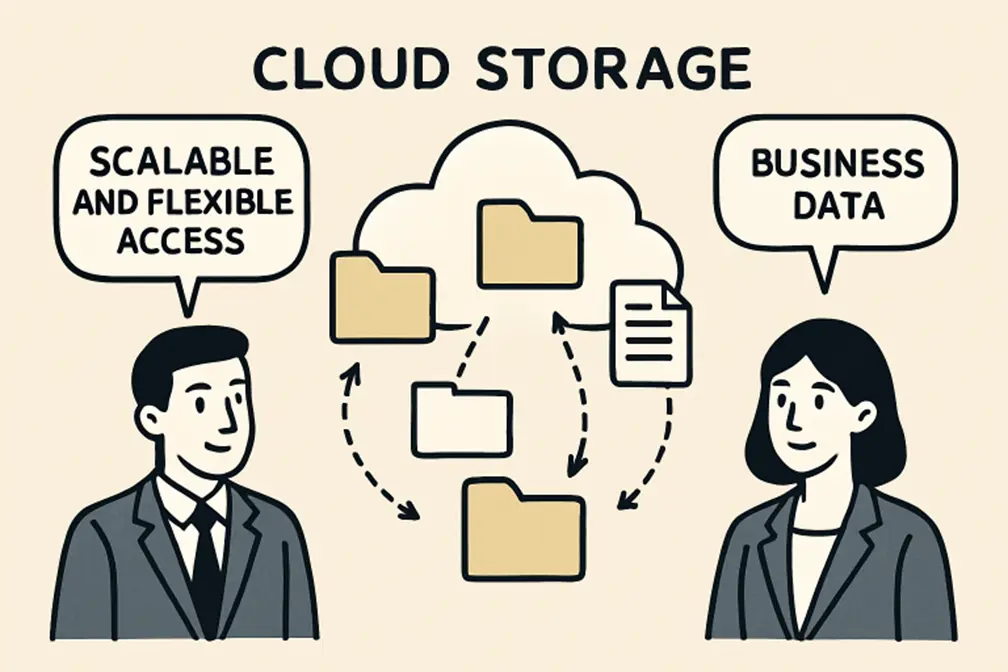
In today’s data-driven world, businesses handle more information than ever before, creating an urgent need for storage solutions that are both flexible and secure. Nfina Storage as a Service offering is one example of a solution that provides organizations with the agility and reliability they need to manage their growing data efficiently. Unlike traditional storage, Storage as a Service (STaaS) simplifies infrastructure, allowing companies to subscribe to scalable data storage without capital outlay on physical equipment.
STaaS not only streamlines the acquisition and management of storage resources but also ensures businesses can adapt as their needs evolve—whether that means rapidly scaling up during a busy season or downscaling to control costs. This “as a service” approach is revolutionizing how IT teams think about storage, offering the freedom to focus on core strategic objectives rather than routine maintenance.
Alongside flexibility, STaaS enhances business continuity through robust disaster recovery, strengthens compliance, and improves overall storage security, benefiting organizations spanning all industries. With the latest advances in data security and automation, companies leveraging STaaS can position themselves competitively while maintaining robust data governance.
As digital priorities continue to shift, leveraging the efficiency of cloud-based storage through STaaS means businesses can support everything from remote work to real-time analytics without missing a beat.
Understanding Storage as a Service (STaaS)
Storage as a Service introduces a new paradigm for data storage management. Instead of investing in costly, on-premises hardware that can rapidly become obsolete, organizations subscribe to storage delivered via the cloud or hybrid models. This cloud-first strategy not only shifts storage costs from capital expenditures to predictable operational expenses but also gives IT teams granular control over capacity and performance requirements.
STaaS encompasses a variety of offerings—from primary storage for active workloads to long-term archiving solutions. Whatever the use case, this model enables companies to eliminate guesswork in capacity planning, paying only for what they need and scaling up or down as circumstances demand.
Benefits of Implementing STaaS
- Scalability: Respond instantly to fluctuating data volumes without logistical headaches or infrastructure delays.
- Cost Efficiency: Reduce total cost of ownership by shifting from large, upfront purchases to a pay-as-you-go model that aligns with budget realities.
- Maintenance Reduction: Offload time-consuming tasks, such as firmware updates, equipment monitoring, and hardware replacement, to experienced service providers.
- Accessibility: Enable team members to access vital data from anywhere, ensuring seamless remote work and collaboration.
Many IT leaders have highlighted that cost savings and operational flexibility are among the leading reasons behind their shift to cloud-based storage models. According to Forbes, investment in cloud and STaaS will only continue to accelerate as businesses realize improved resilience and agility.
Key Features to Look for in STaaS Providers
Selecting the right service provider is crucial for long-term success. Every business should carefully evaluate several characteristics before committing to an STaaS partner:
- Data Redundancy: Ensure that your data is stored in multiple, geographically separate locations to prevent single points of failure.
- Security Measures: Ensure support for advanced encryption, secure authentication, and adherence to industry standards for the protection of sensitive data.
- Performance: Confirm that the provider can deliver consistent, high-speed access appropriate for your critical workloads.
- Support Services: Prioritize providers who offer responsive, round-the-clock support and clear escalation paths for emergencies.
Strategies for Integrating STaaS into Existing IT Infrastructure
- Assess Current Infrastructure: Evaluate your on-premises and cloud resources to identify which systems can be migrated, supplemented, or kept local for hybrid deployments.
- Choose Compatible Solutions: Opt for storage services that offer seamless compatibility and straightforward migration tools, minimizing disruption.
- Plan Migration: Approach migration methodically—begin with less critical data sets, validate processes, and build momentum for full-scale adoption.
- Train Staff: Invest in staff development to make sure IT administrators and end users can maximize the new system’s capabilities.
Ensuring Data Security and Compliance with STaaS
Trusting a third party with critical business data raises questions about data protection and regulatory compliance. Robust STaaS providers address these concerns by offering:
- End-to-End Encryption: Encryption should protect data throughout its lifecycle, from upload to storage and access.
- Compliance Certifications: Look for services that hold certifications for GDPR, HIPAA, or other relevant industry standards.
- Regular Audits: Top providers undergo frequent third-party audits to verify security protocols and correct vulnerabilities before they become threats.
Disaster Recovery and Business Continuity Planning with STaaS
An effective disaster recovery plan is non-negotiable for modern organizations. With STaaS, companies can take advantage of:
- Automated Backups: Regular, automated backups significantly reduce the risk of data loss due to system failures or human error.
- Geographical Redundancy: By duplicating data across regions, STaaS solutions guard against outages caused by localized disasters.
- Rapid Recovery: Providers can offer guaranteed recovery time objectives (RTOs) so data can be restored quickly, minimizing costly downtime.
Future Trends in STaaS
The outlook for STaaS is bright, with multiple trends shaping its future. As artificial intelligence becomes more closely integrated with storage management, businesses can expect to benefit from real-time predictive analytics, automated cost optimization, and smarter data tiering. Simultaneously, enhanced encryption protocols and zero-trust architectures are setting new benchmarks for data security. Hybrid solutions, blending on-premises with cloud storage, will offer organizations ever-greater flexibility and control.
Conclusion
The adoption of Storage as a Service enables companies to transform their data management approach, achieving greater efficiency, agility, and security. By staying informed of best practices, understanding key features, and choosing the right provider, organizations can future-proof their operations while ensuring compliance and readiness for any eventuality in the data landscape.
Also Read-Home Selling Tips for Simplifying the Process

James is a senior editor at axprassion.com with over a decade of experience in crafting compelling narratives and making complex topics accessible. His articles and interviews with industry leaders have earned him recognition as a key influencer by organisations like Onalytica. Under his leadership, publications have been praised by analyst firms such as Forrester for their excellence and performance. Connect with him on