When it comes to oral health, strong and healthy gums are just as important as bright, clean teeth. Gum health protects you from painful and costly dental problems, while also playing a critical role in your overall well-being. If you want your smile to last, following expert advice and choosing trusted professionals, such as a periodontist, can make a significant difference in how you care for your gums every day.
Gums can be threatened by poor hygiene, unhealthy habits, or even daily stress, making it vital to know how to prevent issues before they begin. Adopting effective strategies is essential not just for a beautiful smile but for the health of your entire body. Scientific evidence continues to connect oral and systemic health, so protecting your gums goes far beyond your mouth.
Brushing Techniques for Healthy Gums
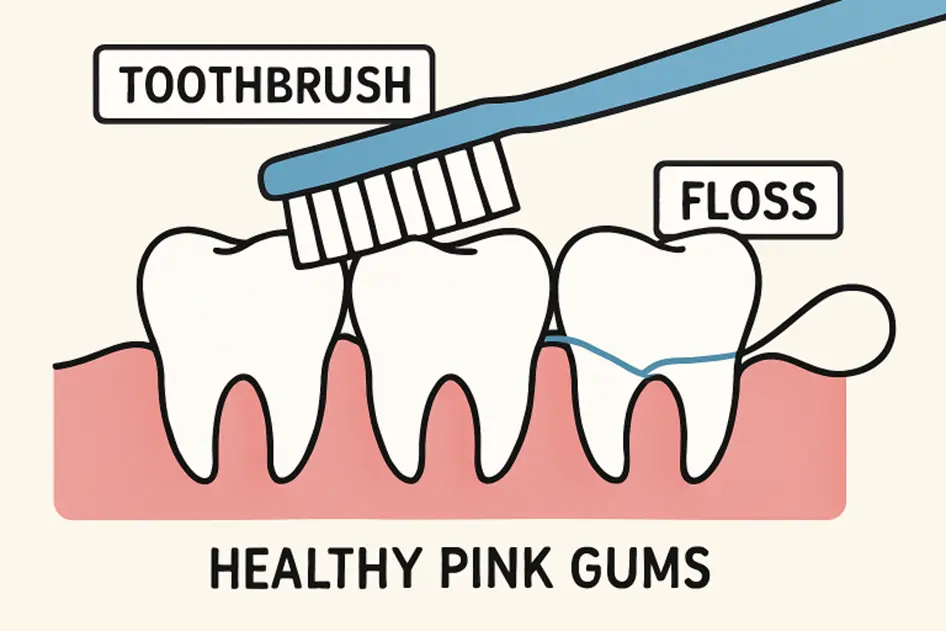
Brushing your teeth the right way is the first step toward keeping your gums problem-free. Dentists recommend using a soft-bristle toothbrush paired with fluoride toothpaste. Hold your toothbrush at a 45-degree angle against the gum line and work in gentle, circular motions, this approach removes plaque without traumatizing sensitive gum tissue. Do not rush: brushing should last at least two minutes, twice daily. Replace your toothbrush every 3 to 4 months, or sooner if the bristles start to look worn. This routine reduces the risk of gingivitis and keeps your gums healthy and comfortable.
The Importance of Daily Flossing
Brushing alone cannot reach all the tight spaces between your teeth. That is why daily flossing is indispensable. Flossing removes trapped debris and plaque buildup that toothbrushes cannot reach, helping prevent gum inflammation before it becomes a problem. If traditional flossing is awkward, consider using interdental brushes or a water flosser to simplify your routine. Consistent cleaning between teeth not only keeps your gums in top shape, but it also lowers your risk of tooth decay.
Benefits of Using Mouthwash
Rinsing with an antimicrobial mouthwash after brushing and flossing provides a thorough cleanse and helps eliminate lingering bacteria. Look for a product with the American Dental Association Seal of Acceptance, which ensures the mouthwash is proven both effective and safe. Swishing your mouthwash for about 30 seconds can access areas you may have missed and leave you with fresher breath. Mouthwash is especially beneficial for those already prone to gum disease and for those seeking an extra layer of daily protection.
Impact of Diet on Gum Health
A smart diet rich in vitamins and minerals supports gum health from the inside out. Vitamin C plays a key role in healing gum tissue, which you can find in many fruits and leafy vegetables. Calcium-rich foods like dairy and nuts strengthen your teeth and bones, reducing your risk for gum recession. It is also wise to avoid overly sugary drinks and snacks, as sugar feeds the bacteria that can cause gum infections. Staying hydrated helps wash away lingering food particles and bacteria, ensuring your oral environment remains neutral and healthy.
Regular Dental Checkups and Cleanings
Seeing your dentist regularly is essential, even when your mouth feels fine. Professional dental cleanings remove hardened plaque (tartar) that brushing and flossing alone cannot tackle. During your checkup, your dentist can spot early signs of gum disease that are invisible to the naked eye. Most people benefit from appointments every six months, though your dental team may recommend more frequent visits based on your history and risk factors. Early intervention helps prevent severe gum complications that may require more invasive treatment.
Lifestyle Factors Affecting Gum Health
Beyond daily hygiene, your lifestyle choices shape the health of your gums. Tobacco use dramatically increases your chance of developing gum disease and delays healing. Excessive alcohol consumption can dry out your mouth and impact your oral microbiome in ways that promote disease. Chronic stress weakens your immune response, making you more susceptible to gum infections. Focusing on stress reduction and living well supports both your oral and general health.
Recognizing Early Signs of Gum Disease
Spotting the first signs of gum problems allows for swift, simple solutions. Warning signs include bleeding gums when brushing or flossing, persistent bad breath, swelling, tenderness, receding gum lines, or shifting teeth. Any of these symptoms should prompt a visit to your dental care provider. Addressing gum disease early means you can avoid advanced problems like tooth loss and painful treatment options. To learn more about the connection between oral health and overall wellness, consult Mayo Clinic resources.
Conclusion
Keeping your gums in good condition is not complicated, but it does require commitment. By prioritizing proper oral hygiene, making smart nutrition choices, managing lifestyle risks, and seeking regular professional care, you can enjoy healthy gums for years to come. Small changes in your daily routine add up to big results, empowering you to prevent gum disease and maintain lasting oral health.
Also Read
- Build Healthier Habits for a Stronger Future
- HydraFacial vs. Traditional Facials: What’s the Difference?
- Business Valuation Services: Accurate and Reliable