
Fire safety does not always require large upgrades or complex systems. In many businesses, small actions can make a major difference when they are done often and taken seriously.
A blocked exit, overloaded outlet, empty extinguisher, or missing staff plan may seem like a small issue. However, each one can increase risk during an emergency.
Simple fire safety steps can help protect equipment, records, stock, buildings, and people. They can also make it easier for staff to respond quickly if a fire starts.
Continue reading to discover everything you need to know!
Keep Fire Extinguishers Ready for Use
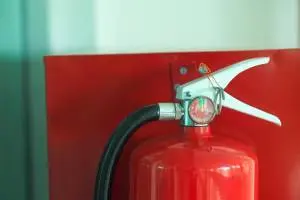
Fire extinguishers are one of the most basic safety tools in a business. However, they only help if they are easy to reach and in working condition. Each extinguisher should stay in its assigned place.
Boxes, furniture, or stored goods should not block access. The pressure gauge should also be checked from time to time. If the reading is outside the safe range, the extinguisher may need service.
Businesses should also look for visible damage. Rust, broken seals, loose hoses, or missing pins can all be warning signs. When an extinguisher has been used, even for a short time, it may need to be serviced before it is returned to its place.
Companies that need a fire extinguisher recharge in Atlanta or elsewhere can use that service to restore used or low-pressure units so they are ready again. Keeping extinguishers ready is a small task, but it can make a big difference in the first moments of a fire.
Keep Exits Clear at All Times
Emergency exits need to stay open and easy to reach. This sounds simple, but busy workplaces can quickly fill with boxes, stock, carts, or equipment.
Nothing should block the path to an exit. Staff should be able to move from any work area to a safe exit without climbing over items.
Exit doors should also open properly. A stuck or damaged door can create a serious problem during an emergency. Signs should be easy to see.
In larger spaces, workers and visitors may depend on clear exit signs to know where to go. Managers can add exit checks to a clear inspection schedule. A quick weekly check can confirm that paths, doors, signs, and emergency lights are clear and working, while a more detailed monthly review can look for damage or changes in the building layout.
It is also useful to walk through the building after moving equipment or changing storage areas. This can help managers see whether new items have changed the safest route.
Emergency lighting should be checked as well, especially in hallways and stair areas. If normal power fails, clear lighting can make it easier for people to leave safely.
Keeping exits clear is one of the easiest fire safety steps to manage. It can also protect lives when every second matters.
Avoid Overloading Electrical Outlets
Electrical problems are a common fire risk in many workplaces. Overloaded outlets and power strips can place too much demand on wiring. Businesses should avoid plugging too many devices into one outlet.
High-power equipment should have the right type of connection for its needs. Extension cords should also be used carefully. They are usually better for short-term use than as a permanent wiring solution.
Damaged cords should be replaced. Frayed covering, exposed wires, or loose plugs can create heat and sparks. Staff should also avoid running cords under rugs or heavy furniture, as this can damage the cord and hide signs of wear.
A simple check of plugs, cords, and outlets can help find problems before they become serious. Electrical safety is especially important in offices, kitchens, workshops, and storage spaces.
Store Flammable Materials Safely
Some businesses use paints, fuels, cleaners, or other materials that can catch fire, and these products need careful storage. Containers should remain closed when not in use. Leaks or spills should be cleaned according to safe handling rules.
Flammable products should be kept away from heat, sparks, and open flames. They should also be stored in areas meant for that type of material. Clear labels matter too.
Staff should know what each container holds and what risks are linked to it. Too much stock in one area can also increase fire risk. Keeping only the needed amount nearby can reduce the amount of fuel available to a fire.
Storage areas should also stay clean and easy to inspect. Regular checks can help staff notice damaged containers or leaks before they become more serious. Safe storage may seem like a small daily habit, and over time, it can lower risk across the whole workplace.
Train Staff on Basic Fire Response
Fire safety tools are only useful if people know what to do. Staff should understand the basics before an emergency happens. Training can include how to report a fire, when to leave the building, and where to meet outside.
Workers may also be shown how to use an extinguisher when it is safe to do so. However, staff should never be expected to fight a fire that is growing or blocking their escape.
New employees should receive the same basic information as long-term workers. Fire plans should not depend on only one or two people knowing what to do. Short review sessions can help keep the information fresh, and this is especially useful when the building layout or staff changes.
Simple training can reduce panic. It gives employees a clear set of actions to follow when time is limited.
Test Alarms and Detection Systems
Smoke alarms and other detection systems provide early warning. That warning can give people more time to leave safely. Businesses should test alarms on a regular schedule.
Batteries, sensors, and connected systems may need different types of checks. A unit that looks fine may still fail if it has lost power or has a fault. Regular testing helps catch these problems.
Alarm locations also matter. A change in walls, storage, or equipment may affect how well a detector works in a space.
Staff should know what the alarm sounds like. They should also know that every alarm needs to be treated seriously.
A working detection system can protect more than the building. It can also reduce damage to stock, computers, files, and other business assets by giving an earlier warning.
Keep Work Areas Clean and Free of Clutter
Clutter can increase fire risk in several ways. Paper, boxes, packaging, and waste can all help a fire spread faster. Work areas should be cleaned often.
Trash should not be allowed to build up near heat sources, outlets, or equipment. Storage should also be organized. Stacks that are too high or unstable can block sprinklers and make emergency movement harder.
Dust may also create problems in some types of workplaces. Heavy buildup around machines or electrical equipment should not be ignored.
A clean workplace makes other fire risks easier to see. Damaged cords, blocked exits, or leaks are more noticeable when the area is organized.
Good housekeeping is not just about appearance. It is one of the simplest ways to reduce fuel for a fire.
Keep Heating Equipment Away From Combustible Items
Portable heaters and other heating equipment can create extra fire risk when they are placed too close to nearby materials. Paper, fabric, boxes, and furniture should stay a safe distance away. Staff should not dry clothing or other items on top of heaters.
Portable heaters should also be placed on stable surfaces. They should not sit where they can be knocked over easily.
Businesses should use equipment that is meant for the space. Damaged or old heaters should be replaced rather than repaired in unsafe ways. At the end of the day, staff should check whether heating devices have been turned off when required.
Small heating choices can affect the whole workplace. A few feet of clear space around a heater can remove a major source of risk.
Protect Important Records and Data
Fire safety also includes protecting information. A business may lose more than furniture or stock during a fire. Important records, customer data, contracts, and financial documents should have secure backup copies.
Digital records should be backed up to a separate system or location, and this can help the business recover if computers are damaged. Paper records that must be kept may need fire-resistant storage. The exact level of protection depends on the value and legal need for the documents.
Backup plans should also be tested. A backup is only useful if the information can be restored when needed. Protecting data is a small part of fire planning, but it can make recovery much easier after a serious event.
Check Kitchens and Break Rooms
Kitchens and break rooms are common parts of many businesses, and they can also create fire risks. Microwaves, coffee makers, toasters, and hot plates should be kept clean and in good condition.
Grease or food buildup can catch fire if equipment gets too hot. Staff should clean spills and crumbs instead of letting them collect.
Appliances with damaged cords should not remain in use. Plugging several heating devices into one outlet should also be avoided.
Employees should stay nearby when using cooking equipment. Food left heating without attention can become a problem quickly.
A short end-of-day check can help. Making sure appliances are turned off and surfaces are clear adds another layer of protection.
Keep Sprinklers and Safety Equipment Unblocked
Many commercial buildings use sprinkler systems. These systems need clear space to work properly. Tall storage can block sprinkler spray and reduce how well water reaches a fire.
Businesses should keep enough open space below sprinkler heads. Shelves and stacked goods should not reach too close to the ceiling. Sprinkler heads should also remain free from paint, decorations, or hanging items.
Other fire safety equipment needs the same care. Hose cabinets, alarm pull stations, and control panels should be easy to reach.
A small storage change can create a big safety problem if it blocks important equipment. Regular checks can prevent this.
Make a Simple Emergency Plan
A written emergency plan gives staff a clear guide during a fire. The plan should show exit routes, meeting points, and key responsibilities. It should also explain who calls emergency services and who helps guide people out.
Large businesses may need more detailed plans, but even small workplaces can benefit from a simple version. The plan should be easy to understand. Long or complex instructions may be hard to remember during an emergency.
Businesses should update the plan when the building layout changes or new staff join the team. Practice drills can also help. They show whether people understand the plan and whether exit routes work as expected, and a simple plan can turn confusion into organized action.
Review Fire Safety Throughout the Year
Fire safety should not be handled once and forgotten. Conditions inside a business can change quickly. New equipment may add electrical demand.
Storage areas may become more crowded. Staff may change, and exits may become blocked.
A short monthly or seasonal walk-through can help spot these changes. Managers can check extinguishers, exits, cords, alarms, heaters, and storage areas during the same review.
Keeping a simple checklist may make the process easier. It can also show which issues have already been fixed.
Larger inspections and required professional service should still happen when needed. The routine check does not replace them. Regular reviews help keep fire safety part of normal business operations instead of something only discussed after a problem.
Build Fire Safety Into Everyday Business Care
Small fire safety steps can protect major business assets. Clear exits, working extinguishers, safe electrical use, and good storage habits all reduce risk.
The best results often come from regular attention. A small issue is easier to fix before it becomes part of a larger emergency.
Staff training also matters. Workers who understand the fire plan are more likely to respond calmly and safely.
Businesses should protect both physical items and important data. Equipment, stock, records, and customer information may all be difficult to replace after a fire.
Simple checks throughout the year can help keep these protections in place. They also make it easier to notice changes in the workplace.
Fire safety does not have to be complicated to be useful. When small steps become part of daily and seasonal routines, they can support a safer workplace and help protect the assets a business depends on.
Check out the rest of our site for more!
Also Read
- proven-strategies-for-new-real-estate-agents-to-achieve-success/
- /the-business-case-for-supporting-employee-well-being-on-work-trips-meta/
- the-importance-of-precision-maintenance-in-modern-building-systems/