
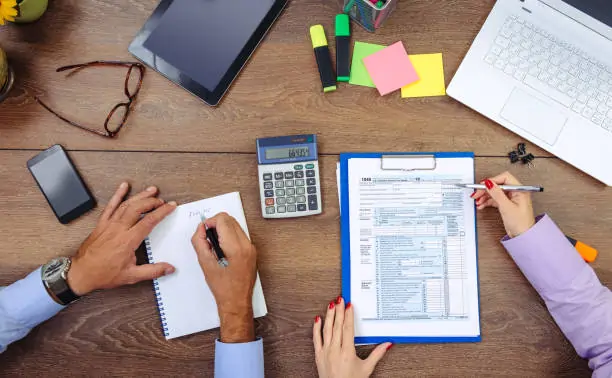
Tax season can feel confusing when you see a “draft return” before anything is filed. You may worry that something is wrong or that you missed a form. In truth, a draft return is a working copy of your tax return. It shows where you stand before you send anything to the IRS. This step protects you. It helps you see your expected refund or balance due. It also lets you fix mistakes early. Many people who use business tax preparation in San Bernardino rely on draft returns to plan cash flow, adjust payments, and avoid surprise bills. A clear projection can guide choices about expenses, retirement contributions, and estimated taxes. This blog explains why tax professionals use draft returns, what you should look for when you review one, and how this simple step can bring order to a stressful time.
What A Draft Return Really Is
You can think of a draft return as a tax snapshot. It is not final. It is not sent to the IRS. It is a careful guess based on the numbers you have right now.
A draft return usually includes three parts.
- Your expected income for the year
- Your likely deductions and credits
- Your projected refund or amount you may owe
This early view helps you move from guesswork to clear numbers. You see the impact of your choices before you lock anything in. You stay in control.
Why Draft Returns Happen Before Filing
Draft returns happen for three simple reasons.
- You want to catch mistakes
- You want to plan payments
- You want to avoid panic at filing time
First, a draft return helps you find missing income forms, wrong Social Security numbers, or skipped dependents. You can fix these before you file. The IRS explains how missing or wrong information slows refunds and triggers letters. You can see this in its guidance on common errors at https://www.irs.gov/.
Second, a draft return gives you time to adjust. If you will owe, you can set money aside or change your withholding. If you expect a refund, you can decide how to use it with a calmer mind.
Third, the draft step lowers stress. You do not face a single deadline with no warning. Instead, you see your numbers early and can take steady action.
How A Draft Return Protects You And Your Family
A draft return protects you in three main ways.
- It guards your money
- It guards your time
- It guards your peace of mind
It guards your money by reducing surprise tax bills and late payment penalties. The IRS explains how penalties work at https://www.irs.gov/payments/penalties. When you know early that you might owe, you can pay on time and reduce added costs.
It guards your time by cutting down on letters back and forth with the IRS. Fewer errors mean fewer delays.
It guards your peace of mind by turning fear into a plan. You look at the draft, ask questions, and choose your next move.
What To Look For When You Review A Draft Return
When you read a draft return, do not rush. Focus on three simple checks.
- Check your identity details. Make sure names, Social Security numbers, and addresses match your records.
- Check your income. Confirm that wages, self-employment income, retirement income, and interest look right.
- Check your family details. Review dependents, filing status, and any credits tied to children or care costs.
You may also want to ask three questions.
- Does this refund or amount due match what you expected
- Are any numbers missing from pay stubs or bank forms you hold
- Do any credits or deductions seem unclear
These simple checks give you more power than any tax software button. You become an active part of the review.
How A Draft Return Helps Different Households
Every household can use a draft return in a slightly different way. Here is a simple comparison.
| Household type | Main concern | How a draft return helps |
|---|---|---|
| Single worker | Worried about owing at filing time | Shows if current withholding is enough so you can adjust at work |
| Parents with children | Unsure about child and education credits | Shows how credits change refund and confirms each child is listed |
| Married couple with two incomes | Mixed paychecks and uneven withholding | Combines both incomes and reveals if joint withholding covers the tax |
| Self employed worker | Quarterly tax payments and cash flow | Estimates total tax so you can plan quarterly payments with more control |
| Retiree | Tax on Social Security and withdrawals | Shows how benefits and retirement income affect tax so you can adjust withdrawals |
When You Should Ask For A Draft Return
You should ask for a draft return when any of these apply.
- Your income changed during the year
- You started or ended a job
- You began a side business
- You had a major life change such as marriage, divorce, or a new child
- You sold a home or other large asset
In these moments, your tax picture shifts. A draft return turns that sudden change into clear numbers and choices.
Turning A Draft Into A Final Return
After you review the draft, you move through three steps.
- Correct any missing or wrong details
- Update any income or deduction numbers that change
- Approve the final version for filing
Nothing is sent to the IRS until you agree. You can ask for another draft if new forms arrive. You stay in control from start to finish.
Why This Extra Step Is Worth Your Time
A draft return takes a little more time at first. Yet it often saves much more time later. You reduce letters, calls, and fear. You gain a clear plan for your money.
You do not need to love numbers to use this step well. You only need to slow down, ask questions, and treat the draft as a safety check. That simple habit can protect your family from surprise tax pain each year.
Read more: The Most Dangerous Jobs In Construction And How To Stay Safe
10 Common Legal Mistakes Medical Practices Make And How To Avoid Them
How To Defend Yourself Against Ucmj Charges