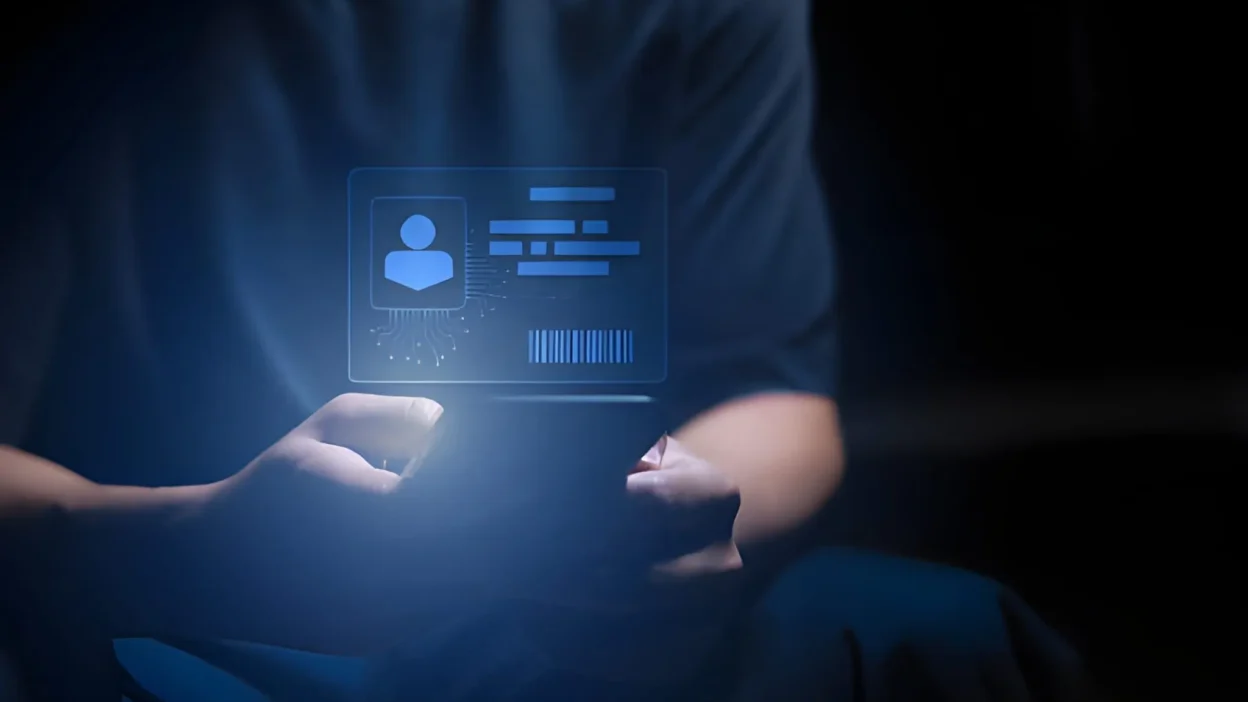
The proliferation of sophisticated fake ID creation tools has fundamentally altered how we think about identity verification in the digital age. What once required specialized equipment and insider knowledge now exists as accessible software and online services, enabling anyone with basic technical skills to produce counterfeit identification documents. This democratization of forgery technology has created urgent challenges for businesses, institutions, and individuals trying to maintain secure identity systems. Understanding how these tools work—and why protecting legitimate identification matters—has never been more critical for navigating today’s interconnected world.
How Modern Fake ID Creation Tools Actually Work
Fake ID maker tools represent a category of software applications and web-based services designed to replicate official identification documents with alarming accuracy. These platforms can generate convincing facsimiles of driver’s licenses, student cards, and other credentials that superficially resemble legitimate documents.
The motivations driving people toward these tools vary considerably:
- Circumventing age restrictions at venues, retailers, or online platforms
- Concealing true identity for perceived privacy benefits
- Facilitating fraudulent transactions or illegal activities
- Gaining unauthorized access to restricted facilities or services
Regardless of intent, the consequences of using counterfeit identification extend far beyond immediate legal penalties. Criminal charges can include substantial fines, mandatory community service, or incarceration depending on jurisdiction. The ethical dimensions are equally troubling—personal information submitted to fake ID services often ends up compromised, sold, or exploited by the very operators promising anonymity.
The Historical Evolution of Identity Documents
Identification systems have undergone remarkable transformation throughout human history, adapting to meet evolving security needs and technological capabilities. This progression reveals how societies have continuously balanced accessibility with authentication:
- Ancient Systems: Early civilizations relied on physical tokens, seals, or verbal attestation. Babylonian clay tablets served as primitive identity records for commercial transactions.
- Medieval Documentation: Written letters of introduction and official seals became standard for travelers and merchants crossing territorial boundaries.
- Photographic Revolution: The 19th century introduction of photography transformed identification, enabling the creation of modern passports and driver’s licenses with visual verification.
- Biometric Integration: Contemporary systems incorporate fingerprints, facial recognition, and iris scanning to create multi-layered authentication that’s exponentially harder to forge.
Legitimate identification serves as the foundation for trust in countless daily interactions—from financial transactions to healthcare access to border crossings. The integrity of these systems depends on both technological sophistication and social commitment to authentication standards.
Technology’s Dual Role in ID Fraud and Prevention
The same technological advances that enable sophisticated forgery also power increasingly effective detection systems. This ongoing arms race between counterfeiters and security professionals shapes the landscape of modern identification.
Creation technologies that have lowered barriers to fake ID production include:
- Design Software: Professional-grade image editing tools allow precise manipulation of templates, fonts, and security features that once required specialized printing equipment.
- Online Marketplaces: Numerous websites openly advertise fake ID generation services, operating in legal gray zones or offshore jurisdictions beyond easy prosecution.
- Consumer Printing: High-resolution printers and specialty materials have become affordable enough for home use, eliminating the need for professional print shops.
Countermeasures have evolved in parallel. Biometric databases enable real-time cross-referencing that can instantly flag discrepancies between presented documents and stored records. Machine learning algorithms analyze subtle inconsistencies in document formatting, materials, and data patterns that human inspectors might miss.
The FBI’s Next Generation Identification system exemplifies how centralized biometric databases create verification networks that transcend individual documents, making identity fraud exponentially more difficult at scale.
Legal Consequences That Extend Beyond the Moment
The legal framework surrounding fake identification treats these offenses with considerable severity, reflecting the broader societal harm that identity fraud enables. Penalties vary by jurisdiction but consistently include serious ramifications:
- Criminal Charges: Possession or use of counterfeit identification typically constitutes a misdemeanor at minimum, with felony charges possible depending on intent and context.
- Financial Penalties: Fines can reach thousands of dollars, particularly when fake IDs facilitate other illegal activities like underage alcohol purchase or fraud.
- Permanent Records: Convictions create criminal records that appear in background checks, potentially affecting employment, professional licensing, educational opportunities, and housing applications for years.
- Collateral Consequences: Immigration status, security clearances, and professional certifications can all be jeopardized by identity fraud convictions.
What might seem like a minor shortcut to bypass age restrictions can trigger investigations that uncover the broader criminal networks supplying fake documents, potentially implicating users in larger conspiracy charges.
Organizations can prevent fake ID complications through legitimate photo ID card systems from ID Experts, Magicard, or Evolis for legal compliance and identity verification.
Why Your Digital Identity Requires Active Protection
Beyond physical documents, your digital identity encompasses the vast collection of personal information, credentials, and online presence that defines you in virtual spaces. Protecting this identity has become essential for several interconnected reasons:
- Fraud Prevention: Secure digital identity practices prevent unauthorized access to financial accounts, medical records, and personal communications that criminals increasingly target.
- Financial Security: Identity theft costs victims an average of hundreds of hours and thousands of dollars to resolve, according to federal consumer protection data.
- Reputation Management: Your online presence influences professional opportunities, personal relationships, and public perception in ways that extend far beyond immediate interactions.
- Data Sovereignty: Maintaining control over your personal information prevents its exploitation by bad actors, whether individual criminals or unethical organizations.
Proactive protection strategies include implementing strong, unique passwords across accounts, enabling multi-factor authentication wherever available, regularly monitoring credit reports, and staying informed about emerging security threats. These practices create layers of defense that make unauthorized access exponentially more difficult.
Also Read-Professional Cleaning Solutions for Business Environments