
Thomas Ryan Guglielmo brings hands-on operational and accounting experience to discussions of process improvement and efficiency within modern organizations. A New York resident, he works as a cost accountant for Magellan Aerospace while pursuing a degree in accounting at Kean University in Union, New Jersey. In his current role, Thomas Ryan Guglielmo supports the financial accuracy of a global aerospace manufacturing operation that delivers integrated products and services for aircraft manufacturers and defense agencies. His background also includes extensive experience in inventory control and distribution supervision, where he applied structured improvement methods to enhance workflow and production outcomes. Prior to joining Magellan, he held leadership roles in manufacturing and packaging environments, gaining exposure to cost control, performance monitoring, and quality management. This blend of academic training and operational responsibility provides a grounded perspective on how Lean and Six Sigma principles function in real business settings.
An Overview of Six Sigma Lean Business Strategies
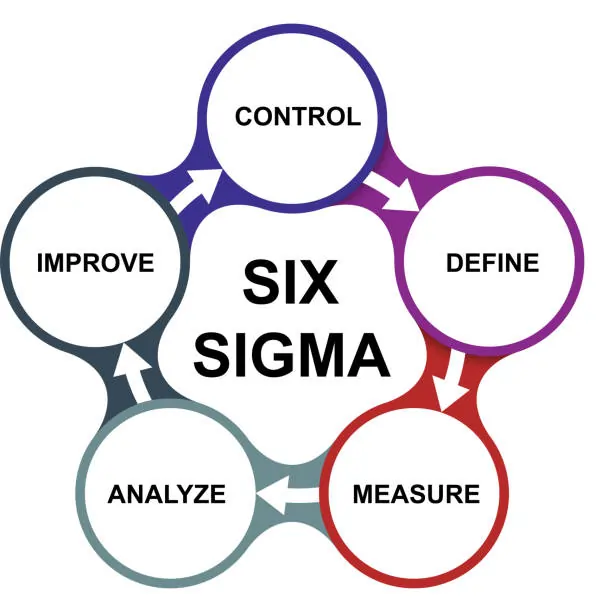
Lean Six Sigma is a business leadership model that blends the Lean methodology with the Six Sigma approach. Six Sigma generally functions as a quality control method, often through the removal of defects, while Lean business practices seek to optimize value while reducing waste. Together, these business philosophies can deliver considerable value and innovative tools to both emerging and longstanding organizations. Leaders can gain a better understanding of Lean Six Sigma by focusing on seven key points.
To begin, the Lean Six Sigma business model operates with a clear emphasis on consumer satisfaction. While the development of a worthy product or service is crucial to the success of any business, Lean Six Sigma innovators promote the idea that no business can thrive without paying customers. A customer-centric focus should drive all decisions, and company leaders should constantly assess how they identify and meet customer needs. Employees at every level should place themselves in the consumer’s position and try to understand how they view various decisions and policies.
Next, Lean Six Sigma businesses need to map out their value stream and gain a clear understanding of work processes. Value maps consist of each step of the work process critical to value delivery, beginning at the supplier and concluding with the product or service reaching the customer. Each step of the map needs to feature a data box that outlines the resources expended, as well as the length of the process time and any wait time between steps. By constructing a value stream map, business leaders can examine and refine their flow of work.
After optimizing a value stream, organizational leaders can continue with Lean Six Sigma processes by managing and improving the process over time. In addition to continuously refining the process, leaders need to adjust processes in response to market changes and evolving customer needs. Common issues that may arise and disrupt process flow include bottlenecks, supply shortages, and other flow impediments.
In every area of operation, Lean Six Sigma business leaders should strive to eliminate non-value-added processes and other forms of waste. Most waste-reduction philosophies originate from the Toyota Production System, which Taiichi Ohno developed in hopes of creating the most stable and efficient work process possible. Lean Six Sigma business leaders should define waste as any phase of business or related activity that does not add value. Examples include long wait times, overproduction and excess inventory, defects, and over-processing, among others.
Under the Lean Six Sigma philosophy, leaders must manage by fact and reduce variation. Variation is the enemy of standardization, which contributes to high customer satisfaction, in addition to supporting cost-efficient production processes. Individuals can manage by fact and improve standardization by carefully documenting processes, establishing best practices, and ensuring that employees at every level adhere to these standards.
On the subject of comprehensive employee training, the Lean Six Sigma business model calls for leaders to involve people in all processes. As mentioned, continuous process improvement stands as an integral goal for business leaders, but no one person can fully understand and manage every facet of business. Leaders must train and delegate to reliable, knowledgeable managers and take their advice as needed.
Finally, those who follow the Lean Six Sigma model should engage with improvement activities in a systematic way. To this end, gathering concrete data is crucially important. Making process changes based on gut feelings can make it difficult to cultivate a workplace culture in which employees readily embrace change and may result in needless disruptions to effective business processes.
About Thomas Ryan Guglielmo
Thomas Ryan Guglielmo is a cost accountant at Magellan Aerospace, where he supports accounting accuracy across global aerospace manufacturing operations. He is pursuing a degree in accounting at Kean University in New Jersey and has professional experience spanning inventory control, distribution supervision, and manufacturing environments. His background includes roles with Englert, Victory Packaging, and Smurfit Westrock, where he applied structured process improvement methods. He is a Six Sigma Yellow Belt and brings practical knowledge of cost control, quality management, and operational analysis.
Read more: Modern Dentistry Techniques for Comfortable, Safe Treatments
How to Manage Import Approval Processes Without Delays
Why Centralized Data Systems Power Scalable Listings