Explore the evolution of sewer cleaning vehicles and how technology has transformed waste management and infrastructure maintenance.
Beneath every city lies a hidden system that keeps daily life moving. Pipes carry waste away, protect public health, and prevent flooding. Yet most people never think about how these systems are cleaned and maintained.
Sewer cleaning vehicles have quietly evolved over time to meet growing urban needs. If you are curious about how these machines developed and why they matter today, keep reading to explore their story and impact.
Early Methods and Simple Machines
In the early days of sewer maintenance, cleaning was done by hand. Workers used basic tools like rods, buckets, and shovels to remove debris. This work was slow, risky, and often unsafe. Streets had to be opened, and crews worked in tight spaces with poor airflow. While these methods worked for small towns, they could not keep up with growing cities.
As populations increased, so did waste and blockages. Simple carts and manual pumps were introduced to help move waste out of pipes. These tools reduced some labor but still required heavy effort and time. The need for faster and safer solutions became clear.
The Rise of Motorized Sewer Cleaning Vehicles
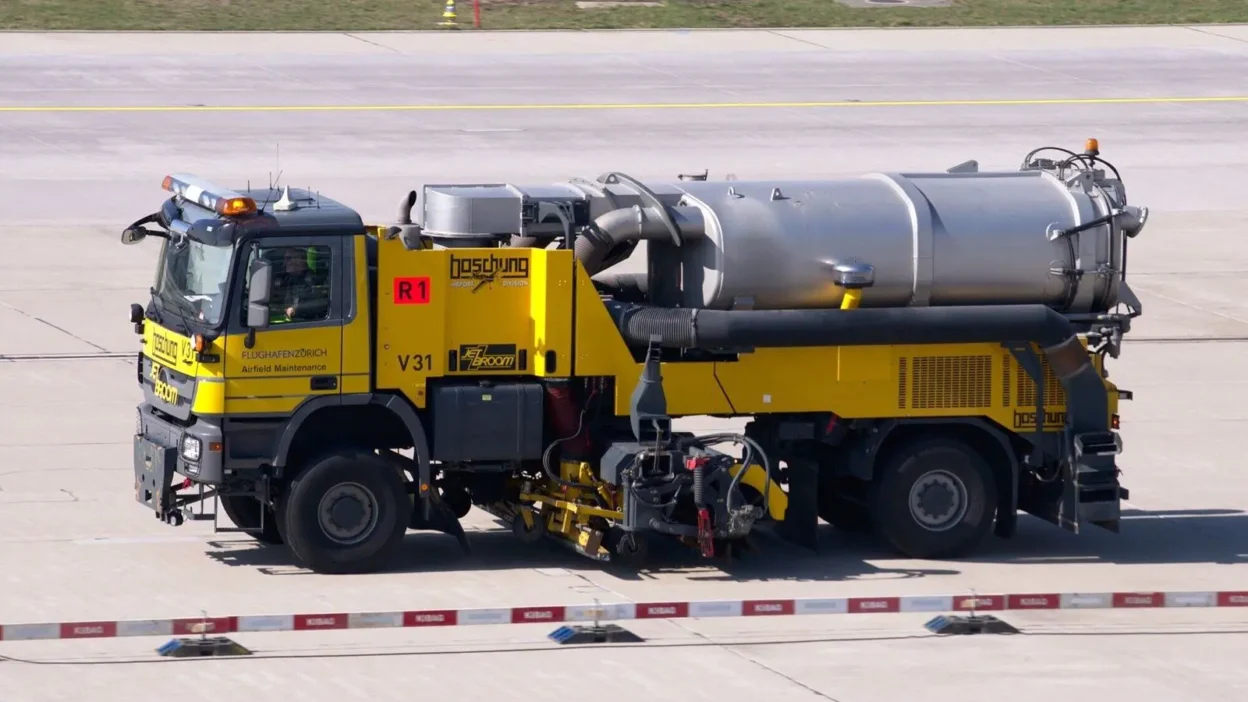
The invention of motorized vehicles changed sewer maintenance. Trucks were fitted with tanks, pumps, and hoses that could reach deep into pipes. Water pressure became a key tool, helping break apart grease, roots, and buildup. This shift reduced the need for workers to enter dangerous spaces.
During this period, Vactor sewer cleaning trucks became a known solution in the industry. Motorized systems allowed cities to clean longer pipe networks without digging. Maintenance became more routine instead of reactive. This helped prevent major blockages and costly repairs, saving both time and public funds.
Advancements in Technology and Design
Over the years, sewer cleaning vehicles continued to improve. Stronger pumps allowed for higher water pressure, making cleaning more effective. Vacuum systems were enhanced to remove debris quickly and store it safely. Trucks became more compact and easier to operate in tight urban streets.
Modern vehicles now include cameras and sensors. These tools help operators see inside pipes and locate problems before they grow. Automation has also improved safety, as fewer workers need direct contact with waste. These upgrades reflect a focus on efficiency, health, and environmental care.
Modern Uses and Urban Impact
Today, sewer cleaning vehicles play a major role in city planning and emergency response. They help manage storm drains during heavy rain and prevent flooding. Regular cleaning protects water sources and reduces pollution. Cities rely on these vehicles to keep infrastructure working smoothly.
The evolution of these machines mirrors the growth of cities themselves. As urban areas expand, sewer systems must handle more demand. Advanced cleaning vehicles make this possible by supporting long-term maintenance and quick action when problems arise.
Looking Ahead at Future Innovations
The future of sewer cleaning vehicles points toward smarter and greener solutions. Electric engines, better fuel efficiency, and data-driven maintenance are already being explored. These changes aim to reduce emissions while improving performance.
Keeping Cities Flowing Forward
Sewer cleaning vehicles may work out of sight, but their impact is felt every day. From simple tools to advanced machines, their evolution shows how technology supports public health and urban life. Understanding this journey helps us appreciate the systems that protect our cities.
Explore more infrastructure insights and see how innovation continues to shape the world beneath our feet. Expand your knowledge and check out more posts on our blog!
Also Read-🦋 Yellow Butterfly Symbolism :Spiritual Meanings of Transformation