
You might be looking at your numbers late at night, wondering why cash always feels tight even when sales look good on paper. You plan, you hope, you work hard, yet the bank balance still surprises you. With the right support, such as online business coaching New Jersey, you can start to understand and control those numbers instead of fearing them. One month there is breathing room, the next month you are juggling bills and payroll, and it can feel like you are always one step behind.end
Because of this tension, you might wonder if growth is actually safe for your business. More customers sound great, yet more inventory, more staff, and more costs can quietly push you into a cash crunch. That uneasy feeling in your stomach is your mind asking a fair question. Are you really in control, or are you guessing and hoping it works out?
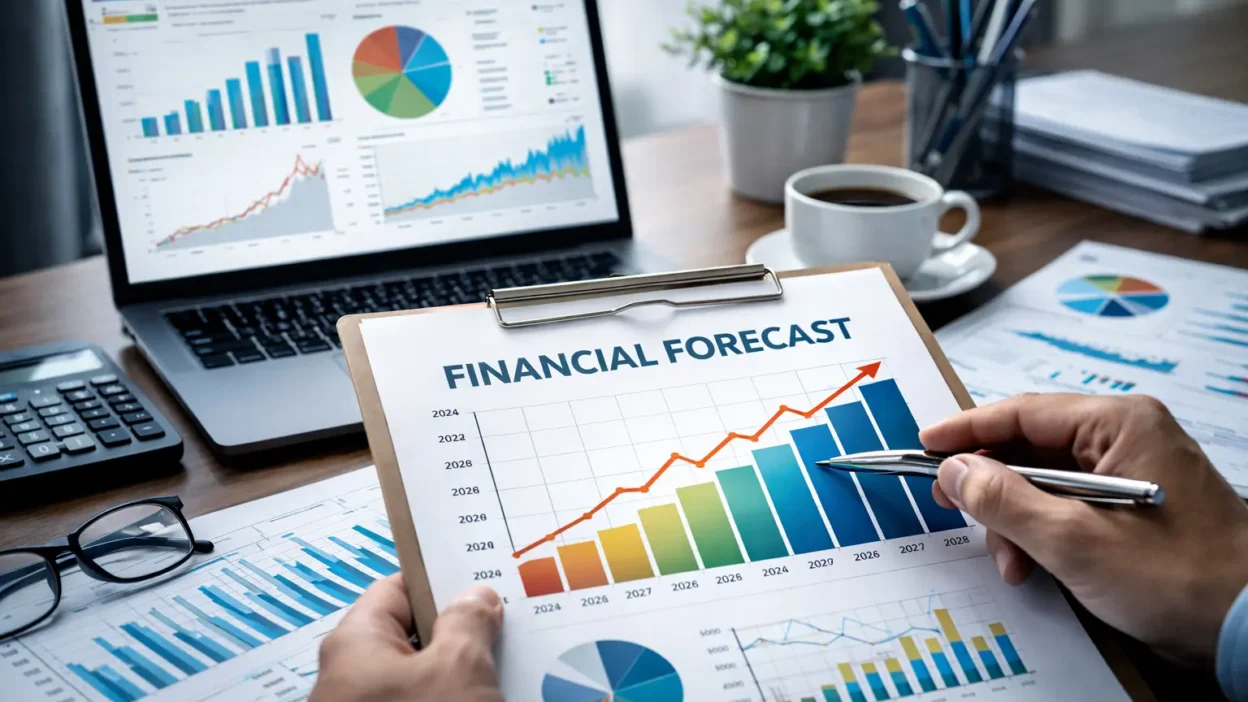
Here is the simple summary. When you use thoughtful budget forecasting, you stop guessing. You start seeing what is likely to happen before it hits your bank account. That is why budget forecasting for sustainable growth matters. It helps you grow with intention, protect your cash, and make decisions without that constant knot of worry in your chest.
Why does growth feel risky when the numbers should be exciting?
On paper, growth is supposed to solve everything. More revenue, more opportunity, more stability. In reality, growth can strain a business that does not have a clear financial forecast. You may need to hire before the revenue fully arrives. You may need to buy materials months before you get paid. You may have loans or credit lines to manage carefully.
So the problem is not only about profit. It is about timing and visibility. You can be profitable and still run out of cash if you cannot see what is coming. That is where sustainable budgeting and forecasting become so important. They give you a forward view, not just a rearview mirror.
Imagine two business owners. The first checks last month’s profit and feels encouraged. They decide to expand, sign a lease, and add staff, all based on that backward-looking number. The second owner uses a 12 month budget forecast. They see that three slow months are ahead, a loan payment will increase, and a large customer tends to pay late. They still choose to grow, but they adjust the timing and build a cash cushion first.
Both owners want the same thing. Only one is building growth on a stable foundation.
What happens when you grow without a clear financial forecast?
When you do not use structured budget forecasting, several issues tend to show up at the same time, which can feel overwhelming.
Financially, you may find yourself surprised by tax bills, seasonal dips, or rising costs. Emotionally, that surprise turns into stress, second guessing, and sometimes shame. You might think, “I should know this. It is my business.” The truth is, most owners were never trained to think like a financial planner. You are not alone in this.
There is also a strategic cost. Without a forecast, it is hard to answer basic questions. Can you afford another employee right now. How much can you safely invest in marketing. When will a new product or service actually start paying for itself. You might delay smart moves because you are unsure, or you might jump too fast because you are hopeful.
You can ease this pressure by building a forward looking budget. That does not mean predicting the future perfectly. It means sketching out a thoughtful, flexible view of your income, expenses, and cash needs, then adjusting as real life unfolds.
How does budget forecasting actually support sustainable growth?
Sustainable growth is not just “growing every year.” It means growing in a way that your cash, your systems, and your energy can support. Business budgeting and forecasting help in a few specific ways.
First, forecasting turns vague hopes into testable plans. You can plug in a new product idea, a price change, or a new hire, then see how it affects your cash over the next 6 to 12 months. If the numbers show a painful gap, you can adjust before you commit.
Second, forecasting helps you talk with lenders and investors in a calm, confident way. Many lenders expect to see financial projections and a clear story about how you will use funds. Tools like the guidance in the Small Business Administration’s section on writing your business plan can support you as you build that story.
Third, forecasting helps you understand seasonality and cycles. If your business has busy and slow periods, a forecast shows when to save and when to invest. For example, a farm or small business can use structured planning, as described in this resource on creating financial forecasts for a farm or small business, to avoid scrambling during lean months.
So where does that leave you. It means you do not have to choose between growing and sleeping at night. You can have both, if you treat forecasting as a regular part of how you run your business, not a one time exercise.
Should you handle forecasting yourself or get professional support?
Once you accept that financial forecasting for growth matters, the next question is how to do it. Some owners want to manage it themselves. Others prefer working with a business accounting and consulting professional. Both paths can work, but they come with different tradeoffs.
| Approach | What it looks like | Benefits | Risks or limits |
|---|---|---|---|
| DIY budgeting and forecasting | You use spreadsheets or accounting software to project income, expenses, and cash flow, updating it monthly. | Low cost. You learn your numbers deeply. Full control over assumptions. | Easy to miss key details like taxes or debt schedules. Can feel confusing and time consuming. Forecasts may be too optimistic. |
| Using online guides and templates | You follow structured tools from trusted sources, such as SBA planning guides or industry specific resources. | Clear structure. Helps you think through what lenders and investors want. Supports business plan and funding requests. | Templates are general. You still need to adapt them to your unique business. May not catch unusual risks. |
| Working with a professional advisor | You partner with a business accounting and consulting expert who builds and reviews forecasts with you. | Higher accuracy. Outside perspective on risks. Saves time. Better support for funding, using tools like the SBA’s guidance on how to fund your business. | Higher direct cost. You need to share detailed financial information and stay engaged to keep forecasts updated. |
The “right” answer depends on your comfort with numbers, your time, and the size of your decisions. If you are making small, low risk changes, a simple DIY approach may be enough. If you are considering a major expansion, new location, or significant debt, outside guidance often pays for itself by helping you avoid expensive mistakes.
What practical steps can you take this week?
You do not need to overhaul everything at once. You can start small and still make real progress toward sustainable growth.
1. Build a simple 12 month forecast on one page
Open a spreadsheet or use your accounting software. List the next 12 months across the top. Down the side, list your main income sources and your main expense categories. Estimate monthly amounts based on your past year, then adjust for any known changes, such as price increases or new staff.
Do not aim for perfection. Aim for a first draft that you can review and refine. The act of writing down your assumptions is what starts to shift you from guessing to planning.
2. Stress test your growth plans
Take any growth idea you are considering, such as hiring someone new, adding equipment, or launching a service. Add it into your forecast and then ask a few honest questions. What happens if sales come in 25 percent slower than you hope. What if a key customer pays 30 days late. Could you still cover payroll, rent, and debt payments.
This simple stress test can keep you from over committing. It can also show you what conditions would make the plan safe, such as building a cash buffer first or phasing in the growth more slowly.
3. Set a monthly “money meeting” with yourself or your team
Pick one day each month to sit down with your numbers. Compare your actual results to your forecast. Notice what was different and why. Adjust the next few months based on what you have learned.
This monthly rhythm is where forecasting becomes powerful. Over time, your numbers will become less mysterious. You will start to see patterns. You will gain confidence that you can face whatever comes because you are working with a living plan, not flying blind.
Bringing it all together so growth feels steady, not scary
You might still feel some anxiety around your numbers. That is natural. Money touches every part of your business and your life. The goal is not to remove all uncertainty. It is to replace fear with informed choice.
When you use consistent budget forecasting, you give your business room to grow without losing your sense of safety. You notice problems earlier. You see opportunities more clearly. Most of all, you stop carrying everything in your head, which frees up energy for the work you actually enjoy.
You do not have to become a finance expert overnight. Start with a simple forecast, stress test your plans, and commit to a monthly review. From there, you can decide whether DIY is enough or whether partnering with a business accounting and consulting advisor would give you the support you need.
Your numbers can stop being a source of dread and become a tool you trust. One thoughtful forecast at a time, you can build the kind of growth that feels sustainable, not fragile.
Also Read-Integrating Tech Solutions for Enhanced Manufacturing Efficiency

James is a senior editor at axprassion.com with over a decade of experience in crafting compelling narratives and making complex topics accessible. His articles and interviews with industry leaders have earned him recognition as a key influencer by organisations like Onalytica. Under his leadership, publications have been praised by analyst firms such as Forrester for their excellence and performance. Connect with him on