Exploring Literary Symbols: Objects With Meanings That Go Beyond the Literal

A Literary Symbol Is an Object That Takes One or More Meanings Beyond Its Literal Meaning Meta Description: Discover what a literary symbol truly means — how ordinary objects, colors, or actions take on deeper emotional, cultural, and thematic significance in storytelling. 📖 Introduction: When Objects Speak Beyond Words In literature, a symbol is never just what it seems. A rose isn’t only a flower. A storm isn’t only bad weather. The color white isn’t only purity. Each carries hidden meanings — emotional, cultural, or spiritual — that transform simple details into powerful storytelling tools. A literary symbol is an object, image, or action that represents something deeper than its literal definition. It gives language soul. It bridges what’s seen and what’s felt. Writers use symbols to speak the unsaid, letting readers experience ideas that can’t be directly explained — love, fear, hope, death, or faith. This layered approach is what makes literature resonate. When readers interpret symbols, they’re not just reading words — they’re decoding human truth. 🕯️ The True Definition of a Literary Symbol A literary symbol is a person, object, event, or idea that suggests something more than its literal meaning. For example: A key can symbolize freedom, knowledge, or discovery. A mirror might represent truth or self-awareness. A river could stand for life’s flow or the passage of time. These meanings depend on context — cultural history, tone, and how the author uses the object. A symbol becomes powerful when it feels both familiar and mysterious — something readers recognize yet sense there’s more beneath the surface. In this way, symbols act like doors to deeper understanding, guiding readers beyond plot into emotional or philosophical territory. ✒️ How Writers Use Symbols in Literature Authors use symbols deliberately, often embedding them within the structure of the story. The best symbols feel natural — they grow organically from the narrative instead of being forced. Here’s how writers shape their symbolism: 1. Through Repetition When an image or object appears repeatedly, it often carries evolving meaning. For instance, a broken clock showing up in multiple scenes could symbolize lost time, regret, or inevitability. 2. Through Context Meaning changes depending on where and how the symbol appears. A bird in a cage may represent captivity, but if it’s freed later, it could shift to symbolize liberation. 3. Through Emotion Symbols often reflect a character’s internal state. A rainstorm during heartbreak mirrors sadness. Sunshine after conflict reflects healing. 4. Through Cultural Reference Certain symbols carry universal associations — a cross for sacrifice, a serpent for temptation, a fire for purification or destruction. The more deeply these connect with shared experience, the stronger their emotional impact becomes. 🌹 Common Types of Literary Symbols Symbols appear in every form of literature — poetry, novels, plays, and even modern digital storytelling. They can be objects, colors, settings, or actions that carry multiple interpretations. 🌿 Nature Symbols Nature often mirrors human emotion. Water: cleansing, rebirth, time, or change Fire: destruction, passion, renewal Mountains: struggle, divine connection, stability Seasons: stages of life — spring (birth), summer (youth), autumn (aging), winter (death) 🎭 Object Symbols Objects become powerful when tied to emotion. Keys: access to hidden truth Books: knowledge or control Mirrors: self-reflection Bridges: transition or connection between two worlds 🎨 Color Symbols Colors express feeling even without words. Red: love, anger, vitality White: purity, innocence, or sometimes emptiness Black: mystery, power, or death Blue: peace, melancholy, or spiritual depth 🕰️ Action Symbols Even small gestures can symbolize transformation. Falling might suggest failure or surrender. Climbing can represent ambition or spiritual ascent. Lighting a candle might mean remembrance or hope. These categories show that symbolism isn’t limited to grand metaphors — it’s woven into the smallest narrative threads. 💡 How Readers Interpret Symbolism Every reader brings their own background, beliefs, and emotions to a story. That’s why symbols can mean different things to different people. A red rose might evoke romance for one reader, but grief for another who associates it with loss. This flexible meaning is what gives symbolism its emotional power. It invites participation. Readers don’t just observe; they interpret and feel. Writers, in turn, trust readers to find meaning. It’s a creative partnership — the author plants the seed, and the reader makes it bloom. Modern algorithms, too, value this kind of human-centered storytelling. When writing feels real, layered, and rooted in experience, it captures both reader attention and long-term relevance. That’s why literature that embraces genuine emotion and symbolic resonance continues to thrive — both artistically and digitally. 📚 Examples of Literary Symbolism in Classic Works 🌳 The Scarlet Letter by Nathaniel Hawthorne The scarlet letter “A” is one of literature’s most famous symbols. Originally meant to mark Hester Prynne’s shame, it evolves into a sign of resilience and strength — transforming from condemnation to identity. ⚓ The Great Gatsby by F. Scott Fitzgerald The green light across the bay represents Gatsby’s dreams and the unreachable ideal of love and success — hope always shining yet always distant. 🕯️ Lord of the Flies by William Golding The conch shell symbolizes order and civilization. When it shatters, it marks the end of societal structure — chaos taking over innocence. 🕊️ To Kill a Mockingbird by Harper Lee The mockingbird symbolizes innocence and kindness. To harm one is to destroy something pure and undeserving of pain. These examples show how one symbol can carry multiple interpretations — moral, emotional, or social — depending on context and tone. 🧭 Why Symbolism Matters in Modern Storytelling Even in today’s fast-paced media world, symbolism remains vital. Whether in a novel, film, song lyric, or digital meme, symbolic imagery helps creators communicate feelings that transcend words. Modern readers crave authenticity — not textbook explanations, but language rooted in lived experience. That’s why symbols endure: they connect emotion, intellect, and imagination. Writers who understand symbolism demonstrate: Experience through human insight Expertise through linguistic nuance Authority through cultural understanding Trust through authenticity and emotional honesty These same values guide quality writing across all platforms — from literature to digital storytelling — ensuring depth and connection in every piece. 🧠 The Psychology Behind Symbolism Humans are wired to find meaning in patterns. Psychologists believe that symbols bridge the conscious and subconscious mind, letting us process emotions we can’t directly articulate. A sunset can comfort someone who lost hope. A locked door can trigger feelings of confinement or safety. Writers instinctively tap into this universal instinct. That’s why symbols often feel “right” even if readers can’t explain why — they speak the language of emotion. The best stories don’t just tell; they make readers feel seen. That emotional truth is what search algorithms and audiences alike now reward — writing that feels human, layered, and resonant. 🌍 Cultural Symbolism and Universality Symbolism varies across cultures but often shares universal roots. For instance: In Western literature, white can mean purity; in Eastern cultures, it often represents mourning. The lotus flower in Asian traditions symbolizes enlightenment; in Western art, it may reflect rebirth. The moon can represent femininity, cycles, or mystery depending on cultural context. Understanding cultural symbolism gives depth to interpretation and helps writers connect authentically with global audiences — not through stereotypes, but through shared human experience. 🔍 How to Identify Symbols in a Story If you’re analyzing literature, here’s how to spot and interpret symbols effectively: Look for repetition – objects or ideas that appear multiple times. Notice tone shifts – symbols often change meaning as the story evolves. Observe reactions – how do characters feel about or respond to the symbol? Consider the setting – environment often shapes symbolic context. Think of the title – sometimes, the entire work is a symbol in disguise. The goal isn’t to find a single “correct” meaning — it’s to uncover emotional truth. ❓ FAQs About Literary Symbols Q1: What is a literary symbol in simple words? It’s something in a story — like an object, color, or event — that represents a deeper meaning beyond its literal sense. Q2: Why do writers use symbols? To communicate complex emotions or ideas without directly stating them, making their stories more layered and memorable. Q3: Are all objects in literature symbolic? Not always. Some objects are just decorative. A true symbol adds emotional or thematic depth. Q4: Can the same symbol mean different things? Yes. Meaning changes based on culture, character perspective, or context within the story. Q5: How do symbols make stories better? They give readers room to think, interpret, and connect personally — turning reading into an emotional experience. Q6: Are modern books still full of symbols? Absolutely. Contemporary fiction, films, and even online storytelling use symbols to express emotion, identity, and truth in relatable ways. 🪞 Conclusion A literary symbol transforms storytelling from surface to soul. It’s what makes a candle more than light, a road more than direction, a storm more than rain. Symbols invite readers to look deeper — to question, feel, and interpret. They remind us that meaning doesn’t just live in words but in what those words awaken inside us. In every great story, symbolism is the quiet heartbeat — subtle yet essential — connecting language to life itself.
📖 When Objects Speak Beyond Words

In literature, a symbol is never just what it seems. A rose isn’t only a flower. A storm isn’t only bad weather. The color white isn’t only purity.

Each carries hidden meanings — emotional, cultural, or spiritual — that transform simple details into powerful storytelling tools.

A literary symbol is an object, image, or action that represents something deeper than its literal definition. It gives language soul. It bridges what’s seen and what’s felt.

Writers use symbols to speak the unsaid, letting readers experience ideas that can’t be directly explained — love, fear, hope, death, or faith.

This layered approach is what makes literature resonate. When readers interpret symbols, they’re not just reading words — they’re decoding human truth.


🕯️ The True Definition of a Literary Symbol

A literary symbol is a person, object, event, or idea that suggests something more than its literal meaning.

For example:

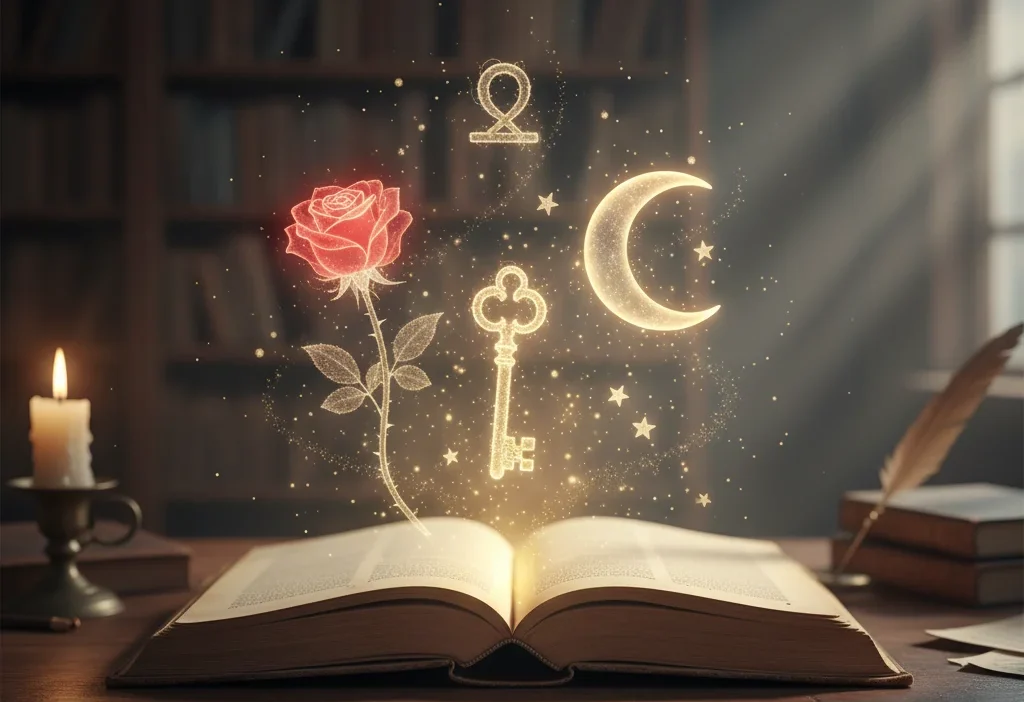
  • A key can symbolize freedom, knowledge, or discovery.
  • A mirror might represent truth or self-awareness.
  • A river could stand for life’s flow or the passage of time.

These meanings depend on context — cultural history, tone, and how the author uses the object.

A symbol becomes powerful when it feels both familiar and mysterious — something readers recognize yet sense there’s more beneath the surface.

In this way, symbols act like doors to deeper understanding, guiding readers beyond plot into emotional or philosophical territory.


✒️ How Writers Use Symbols in Literature

Authors use symbols deliberately, often embedding them within the structure of the story.
The best symbols feel natural — they grow organically from the narrative instead of being forced.

READ MORE ABOUT  Spiritual Meaning of Seeing a Snake: Symbolism, Lessons, and Transformation

Here’s how writers shape their symbolism:

a literary symbol is an object that takes one or more meanings beyond its literal meaning.

1. Through Repetition

When an image or object appears repeatedly, it often carries evolving meaning. For instance, a broken clock showing up in multiple scenes could symbolize lost time, regret, or inevitability.

2. Through Context

Meaning changes depending on where and how the symbol appears.
A bird in a cage may represent captivity, but if it’s freed later, it could shift to symbolize liberation.

3. Through Emotion

Symbols often reflect a character’s internal state. A rainstorm during heartbreak mirrors sadness. Sunshine after conflict reflects healing.

4. Through Cultural Reference

Certain symbols carry universal associations — a cross for sacrifice, a serpent for temptation, a fire for purification or destruction.

The more deeply these connect with shared experience, the stronger their emotional impact becomes.


🌹 Common Types of Literary Symbols

Symbols appear in every form of literature — poetry, novels, plays, and even modern digital storytelling.
They can be objects, colors, settings, or actions that carry multiple interpretations.

a literary symbol is an object that takes one or more meanings beyond its literal meaning.

🌿 Nature Symbols

Nature often mirrors human emotion.

  • Water: cleansing, rebirth, time, or change
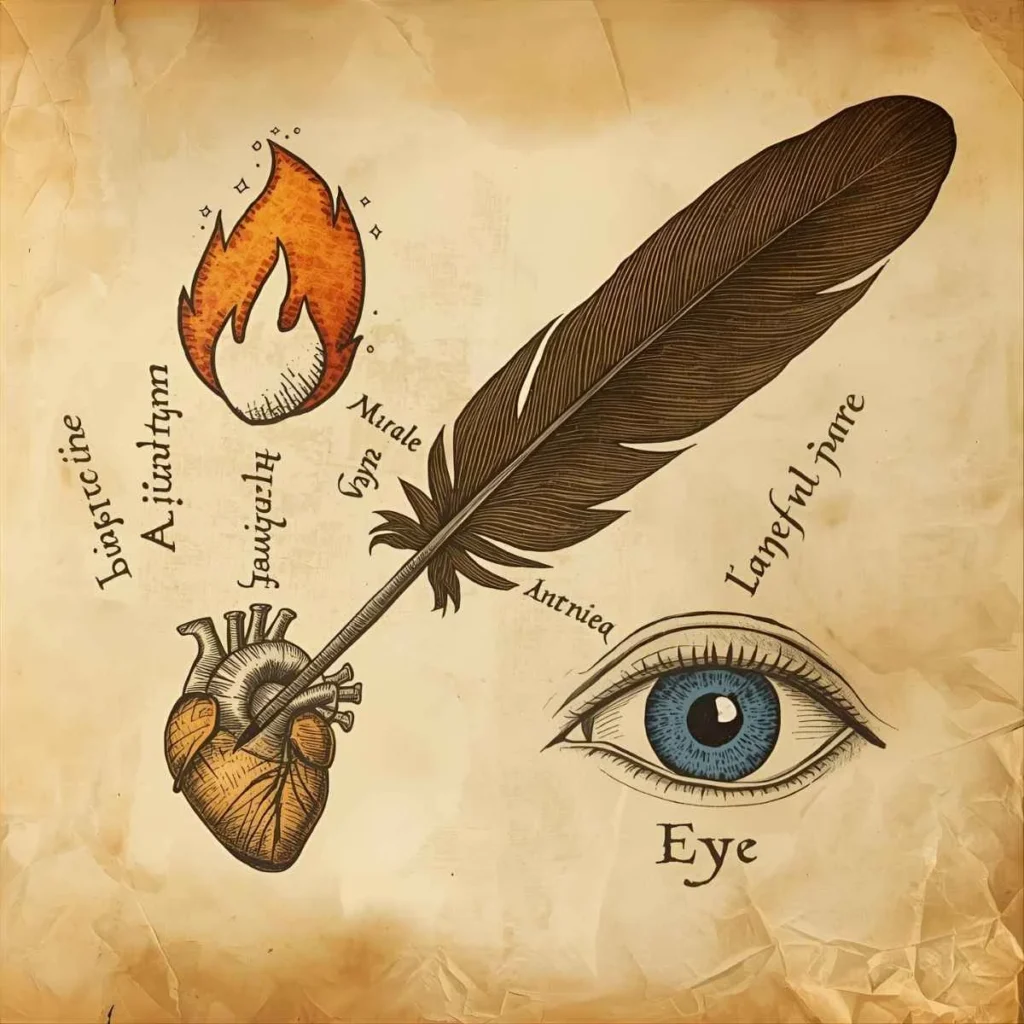
  • Fire: destruction, passion, renewal
  • Mountains: struggle, divine connection, stability
  • Seasons: stages of life — spring (birth), summer (youth), autumn (aging), winter (death)

🎭 Object Symbols

Objects become powerful when tied to emotion.

  • Keys: access to hidden truth
  • Books: knowledge or control
  • Mirrors: self-reflection
  • Bridges: transition or connection between two worlds

🎨 Color Symbols

Colors express feeling even without words.

  • Red: love, anger, vitality
  • White: purity, innocence, or sometimes emptiness
  • Black: mystery, power, or death
  • Blue: peace, melancholy, or spiritual depth

🕰️ Action Symbols

Even small gestures can symbolize transformation.

  • Falling might suggest failure or surrender.
  • Climbing can represent ambition or spiritual ascent.
  • Lighting a candle might mean remembrance or hope.

These categories show that symbolism isn’t limited to grand metaphors — it’s woven into the smallest narrative threads.


💡 How Readers Interpret Symbolism

Every reader brings their own background, beliefs, and emotions to a story. That’s why symbols can mean different things to different people.

A red rose might evoke romance for one reader, but grief for another who associates it with loss.

READ MORE ABOUT  Spiritual Meaning of Seeing a Dove in Relation to Death

This flexible meaning is what gives symbolism its emotional power. It invites participation. Readers don’t just observe; they interpret and feel.

Writers, in turn, trust readers to find meaning. It’s a creative partnership — the author plants the seed, and the reader makes it bloom.

Modern algorithms, too, value this kind of human-centered storytelling. When writing feels real, layered, and rooted in experience, it captures both reader attention and long-term relevance.

That’s why literature that embraces genuine emotion and symbolic resonance continues to thrive — both artistically and digitally.


📚 Examples of Literary Symbolism in Classic Works
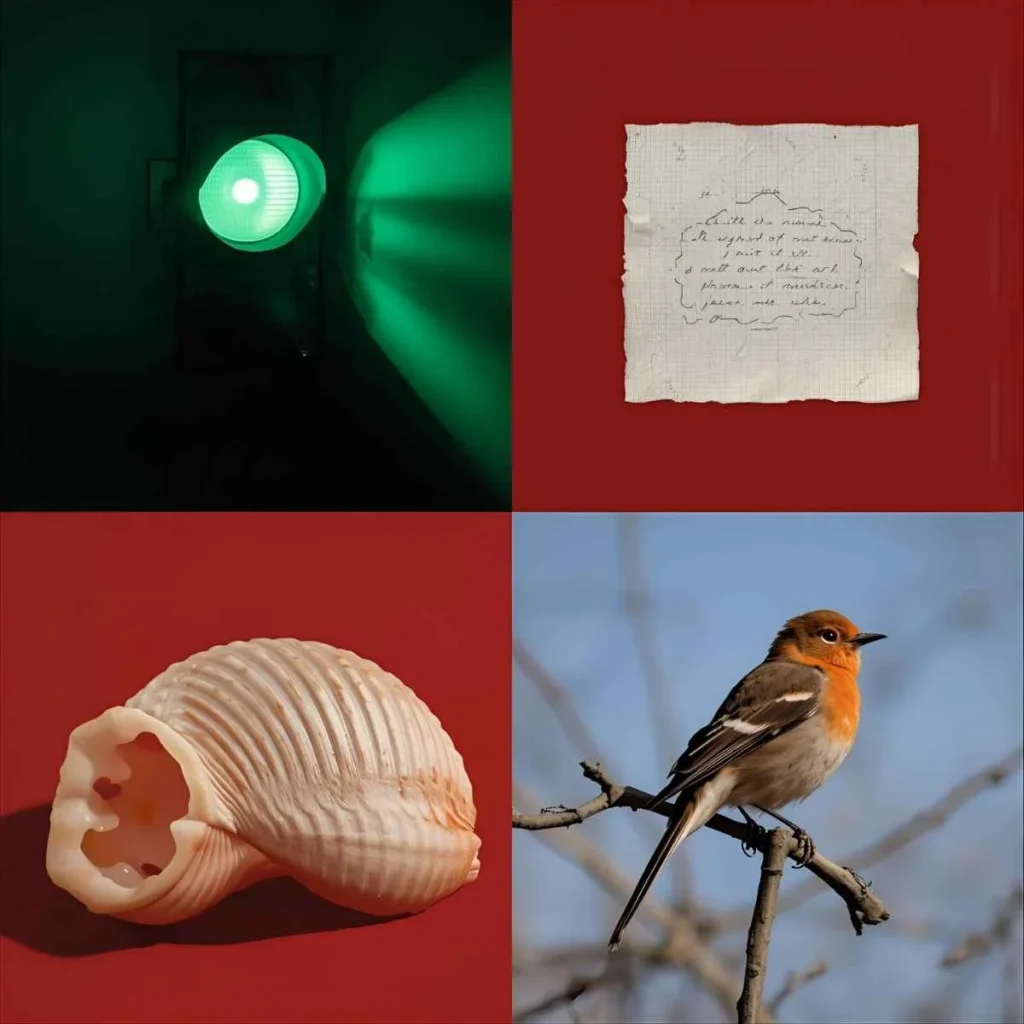
a literary symbol is an object that takes one or more meanings beyond its literal meaning.

🌳 The Scarlet Letter by Nathaniel Hawthorne

The scarlet letter “A” is one of literature’s most famous symbols.
Originally meant to mark Hester Prynne’s shame, it evolves into a sign of resilience and strength — transforming from condemnation to identity.

The Great Gatsby by F. Scott Fitzgerald

The green light across the bay represents Gatsby’s dreams and the unreachable ideal of love and success — hope always shining yet always distant.

🕯️ Lord of the Flies by William Golding

The conch shell symbolizes order and civilization. When it shatters, it marks the end of societal structure — chaos taking over innocence.

🕊️ To Kill a Mockingbird by Harper Lee

The mockingbird symbolizes innocence and kindness. To harm one is to destroy something pure and undeserving of pain.

These examples show how one symbol can carry multiple interpretations — moral, emotional, or social — depending on context and tone.


🧭 Why Symbolism Matters in Modern Storytelling

Even in today’s fast-paced media world, symbolism remains vital.
Whether in a novel, film, song lyric, or digital meme, symbolic imagery helps creators communicate feelings that transcend words.

Modern readers crave authenticity — not textbook explanations, but language rooted in lived experience. That’s why symbols endure: they connect emotion, intellect, and imagination.


🧠 The Psychology Behind Symbolism

Humans are wired to find meaning in patterns.
Psychologists believe that symbols bridge the conscious and subconscious mind, letting us process emotions we can’t directly articulate.

A sunset can comfort someone who lost hope. A locked door can trigger feelings of confinement or safety.

Writers instinctively tap into this universal instinct.
That’s why symbols often feel “right” even if readers can’t explain why — they speak the language of emotion.

READ MORE ABOUT  Spiritual Meaning of Seeing a Sea Turtle: A Journey of Ancient Wisdom

The best stories don’t just tell; they make readers feel seen. That emotional truth is what search algorithms and audiences alike now reward — writing that feels human, layered, and resonant.


🌍 Cultural Symbolism and Universality

Symbolism varies across cultures but often shares universal roots.
For instance:

  • In Western literature, white can mean purity; in Eastern cultures, it often represents mourning.
  • The lotus flower in Asian traditions symbolizes enlightenment; in Western art, it may reflect rebirth.
  • The moon can represent femininity, cycles, or mystery depending on cultural context.

Understanding cultural symbolism gives depth to interpretation and helps writers connect authentically with global audiences — not through stereotypes, but through shared human experience.


🔍 How to Identify Symbols in a Story

If you’re analyzing literature, here’s how to spot and interpret symbols effectively:

  1. Look for repetition – objects or ideas that appear multiple times.
  2. Notice tone shiftssymbols often change meaning as the story evolves.
  3. Observe reactions – how do characters feel about or respond to the symbol?
  4. Consider the setting – environment often shapes symbolic context.
  5. Think of the title – sometimes, the entire work is a symbol in disguise.

The goal isn’t to find a single “correct” meaning — it’s to uncover emotional truth.


❓ FAQs About Literary Symbols

Q1: What is a literary symbol in simple words?
It’s something in a story — like an object, color, or event — that represents a deeper meaning beyond its literal sense.

Q2: Why do writers use symbols?
To communicate complex emotions or ideas without directly stating them, making their stories more layered and memorable.

Q3: Are all objects in literature symbolic?
Not always. Some objects are just decorative. A true symbol adds emotional or thematic depth.

Q4: Can the same symbol mean different things?
Yes. Meaning changes based on culture, character perspective, or context within the story.

Q5: How do symbols make stories better?
They give readers room to think, interpret, and connect personally — turning reading into an emotional experience.

Q6: Are modern books still full of symbols?
Absolutely. Contemporary fiction, films, and even online storytelling use symbols to express emotion, identity, and truth in relatable ways.


🪞 Conclusion

A literary symbol transforms storytelling from surface to soul.
It’s what makes a candle more than light, a road more than direction, a storm more than rain.

Symbols invite readers to look deeper — to question, feel, and interpret.
They remind us that meaning doesn’t just live in words but in what those words awaken inside us.

In every great story, symbolism is the quiet heartbeat — subtle yet essential — connecting language to life itself.
Previous Article

Islam Symbol Meaning: The Crescent and Star Explained

Next Article

Sleep Token Symbol Meaning: The Hidden Language of Worship

Write a Comment

Leave a Comment

Your email address will not be published. Required fields are marked *