
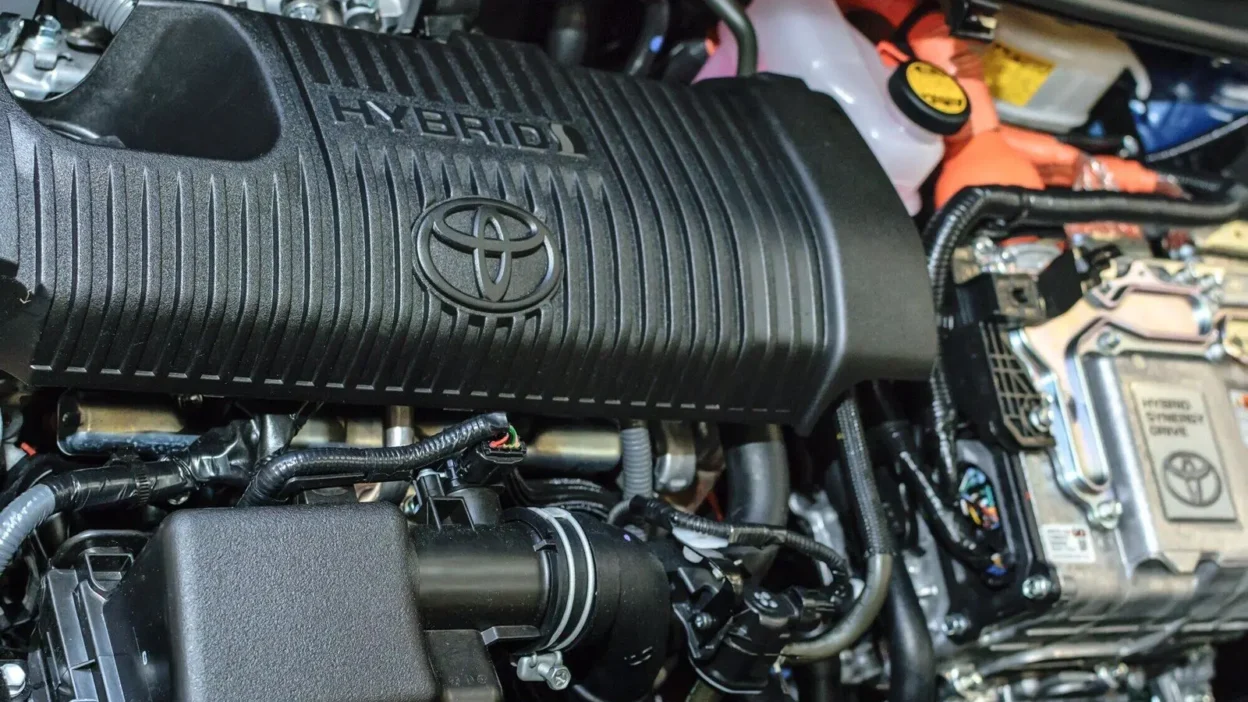
This blog explores cutting-edge engine technologies that boost efficiency and power. Discover practical ways to enhance automotive performance today!
Have you ever wondered how modern cars feel faster while using less fuel at the same time? New engine designs now change how power is made and how smoothly it reaches the wheels. This blog explores cutting-edge engine technologies that boost efficiency and power for everyday drivers.
Many ideas sound complex at first, yet they are built on simple goals. These goals include cleaner burns, smarter control, and better use of energy. By reading on, you will learn how new engines work, why they matter, and how they help drivers gain better performance without stress or deep technical knowledge today.
How Modern Engines Create Better Power
New engines are built with a strong focus on balance between power and control. Older engines often relied on size to make more strength, which led to wasted fuel and heat. Modern engines instead focus on how air, fuel, and spark work together in a smarter way.
This allows the engine to push harder when needed and relax when power is not required. Engine designers now use better shapes inside the engine to guide airflow. Smooth airflow helps fuel burn more evenly, which creates steady power.
This steady power feels smoother to the driver and helps parts last longer. Over time, this design reduces strain on the engine while still improving speed and response. Another key change is tighter control over timing.
Sensors watch how the engine behaves many times each second. These sensors help adjust spark and fuel use in real time. The result is better performance without wasting energy during normal driving.
Smarter Fuel Use For Stronger Results
Fuel delivery has changed greatly in recent years. Instead of spraying fuel in a wide pattern, new systems place fuel exactly where it is needed. This helps the fuel mix better with air before it burns.
A cleaner mix means more force from each small drop of fuel. Direct fuel injection is one example of this progress. Fuel enters the engine at higher pressure and at the best moment.
This timing allows for a stronger push during each cycle. Drivers feel quicker response when pressing the pedal, even at low speeds. Better fuel use also means less waste.
When fuel burns fully, less heat escapes unused. This helps engines stay cooler and more stable. Stronger results come from careful control rather than using more fuel than needed.
Advanced Airflow Design And Cooling
Air plays a huge role in engine performance. New engines are shaped to pull air in faster and move it more smoothly. Clean airflow allows fuel to burn evenly, which supports steady power output.
Engineers now use testing tools to study airflow paths before building engines. Cooling systems have also improved to match higher performance needs. Engines create heat as they work harder, so heat must be managed well.
New cooling paths guide heat away from key parts faster. This keeps the engine working at its best level for longer periods. Some performance engines, such as the Coyote Engine, show how airflow and cooling design can work together.
These designs support higher power without harming engine life. This balance is key for both daily driving and performance use.
Computer Control And Real Time Adjustments
Modern engines rely heavily on computer systems to manage performance. These systems process data from many sensors at once. They track speed, load, heat, and air levels while the engine runs.
This allows fast adjustments that older engines could not make. When driving conditions change, the computer reacts right away. It may adjust fuel flow, spark timing, or valve movement.
These changes happen so smoothly that drivers often do not notice them. The engine simply feels responsive and stable.
This level of control also helps protect the engine. If stress rises too high, the system can reduce output to prevent damage. Over time, this smart control helps engines last longer while still delivering strong performance when needed.
Lighter Materials With Stronger Design
Weight plays a major role in how engines perform. Heavy parts take more energy to move, which can slow response. New engines use lighter materials without losing strength.
This helps the engine spin faster and respond quicker to driver input. Aluminum and advanced alloys are now common in engine parts. These materials reduce weight while handling high heat and pressure.
Lighter engines also help the car balance better on the road. This improves handling along with speed.
Stronger design methods also allow parts to be shaped more efficiently. Engineers remove extra material where it is not needed. The result is a compact engine that delivers solid power while using less energy to operate.
Why These Technologies Matter For Drivers
New engine technologies are not only for racing or high-end cars. Many of these ideas now appear in everyday vehicles. Drivers benefit from smoother rides, quicker response, and better fuel use.
These gains improve daily driving without adding complexity. Better performance also means more confidence on the road. Cars respond faster during merging or passing. Engines feel calm during long drives and strong when needed.
This mix of comfort and power makes driving more enjoyable. As these technologies continue to improve, engines will become even smarter.
Drivers can expect better performance with fewer downsides. Understanding these changes helps buyers make better choices when selecting a vehicle.
The Road Ahead For Engine Performance
Engine technology continues to move forward at a steady pace. Each new design builds on lessons learned from past models. The focus remains on making power in cleaner and smarter ways.
This direction supports both performance and long-term use. Future engines will likely rely even more on smart control systems. These systems will learn driving habits and adjust performance to match.
This creates a more personal driving experience without extra effort from the driver. As engines improve, drivers gain more control and comfort.
Knowing how these systems work helps people appreciate what happens under the hood. This knowledge turns complex ideas into clear benefits for everyday use.
Power Made Simple And Strong
New engine technologies are changing how drivers experience performance every day. By improving airflow, fuel use, cooling, and control, engines now deliver stronger results with less waste. These smart designs help cars feel quicker, smoother, and more reliable over time.
Understanding how these systems work allows drivers to see value beyond simple speed numbers. Better performance today comes from balance rather than excess. When drivers know what to look for, they can choose vehicles that match their needs with confidence.
Did this guide help you? Browse the rest of this section for more advice on a variety of topics.
Also Read-How to Choose the Right Used Car for Your Lifestyle