
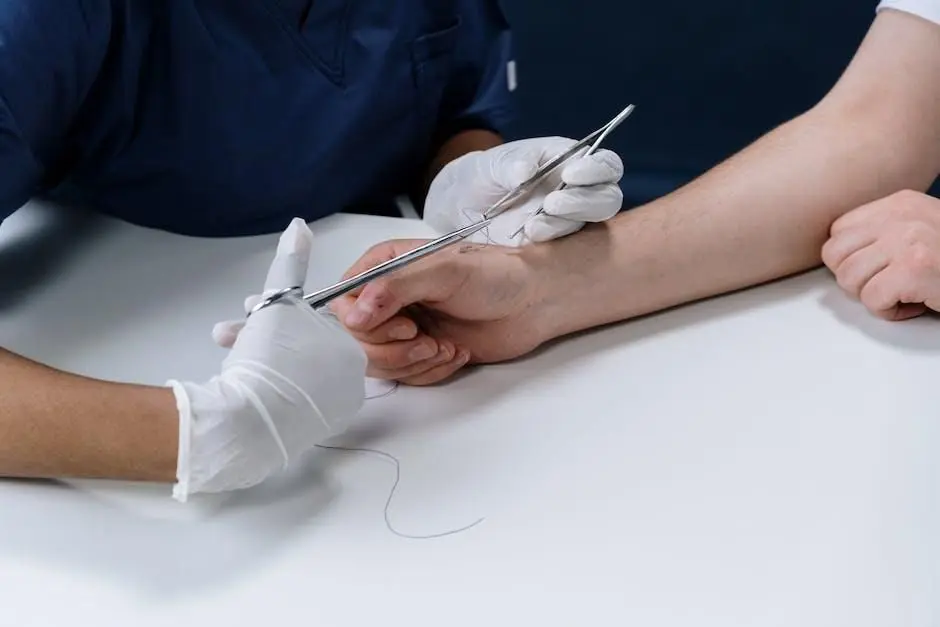
Discover essential wound care supplies for fast and safe healing. Learn about dressings, antiseptics, and first aid items for proper recovery.
Wound care is an important part of health and safety. Even small cuts and injuries need proper attention to avoid infection and speed up healing. The right wound care supplies help protect the wound, keep it clean, and support the body’s natural recovery process.
Today, there are many types of wound care products available, from basic bandages to advanced dressings. Knowing how each supply works can help you choose the best option for fast and safe healing.
Alginate Dressings
Alginate dressings are another important type of wound care supply. They are made from natural materials derived from seaweed. These dressings are known for their high absorbency and ability to handle wounds with moderate to heavy fluid.
When alginate dressings come into contact with wound fluid, they form a soft gel. This gel helps maintain a moist environment, which supports faster healing and tissue growth.
These dressings are often used for ulcers, burns, and deep wounds. They are gentle on the skin and can be easily removed without causing damage.
Basic Adhesive Bandages
Adhesive bandages are one of the most common wound care supplies. They are simple and easy to use. These bandages have a small pad that covers the wound and a sticky backing that keeps it in place.
They are best for minor cuts, scrapes, and small wounds. Adhesive bandages protect the wound from dirt and reduce the risk of infection.
They are also helpful because they allow quick treatment. However, they may not be enough for larger or deeper wounds.
Gauze Dressings and Pads
Gauze is a basic and widely used wound care supply. It comes in pads, rolls, and sponges. Gauze is used to clean wounds, absorb fluids, and cover injuries.
It is very flexible and can be used for many types of wounds. Gauze is often combined with other dressings to provide extra protection.
However, gauze may need to be changed often. It can also stick to the wound if it becomes dry. Because of this, it is often used as a secondary dressing rather than the main one.
Medical Tapes and Wraps
Medical tapes and wraps are used to hold dressings in place. They help keep the wound covered and secure.
There are different types of tapes, such as paper tape, cloth tape, and waterproof tape. Elastic wraps are also used to provide support and compression.
These supplies are important because they prevent the dressing from moving. They also help reduce swelling in some cases.
Choosing the right tape or wrap depends on the location of the wound and the level of movement.
Hydrocolloid Dressings
Hydrocolloid dressings are advanced wound care products. They contain gel-forming materials that create a moist environment for healing.
These dressings are useful for wounds with low to moderate fluid. They form a protective barrier that keeps bacteria out while allowing the wound to heal.
One advantage is that they do not need to be changed often. They also reduce pain and protect the wound from irritation.
Hydrocolloid dressings are often used for pressure sores, minor burns, and slow-healing wounds.
Hydrogels for Moist Healing
Hydrogels are water-based dressings that help keep wounds hydrated. They are available in gel, sheet, or gauze forms.
These dressings are ideal for dry or painful wounds. They provide a cooling effect, which can reduce discomfort.
Hydrogels also support natural healing by preventing the wound from drying out. However, they are not suitable for wounds with heavy drainage.
They are often used for burns, ulcers, and surgical wounds.
Foam Dressings for Absorption
Foam dressings are soft and absorbent. They are designed to handle wounds with moderate to heavy drainage.
These dressings help keep the wound clean and dry while still maintaining a healthy moisture balance. They also protect the wound from pressure and friction.
Foam dressings are commonly used for chronic wounds and ulcers. They are comfortable and can stay in place for longer periods.
Transparent Film Dressings
Transparent film dressings are thin and flexible. They are often clear, which allows you to see the wound without removing the dressing.
These dressings are waterproof and protect against bacteria. At the same time, they allow air and moisture vapor to pass through.
They are best for minor wounds, surgical incisions, and areas that need frequent monitoring.
However, they are not suitable for wounds with heavy drainage.
Antiseptics and Topical Treatments
Cleaning the wound is an important step in healing. Antiseptics and topical treatments help remove bacteria and reduce infection risk.
Common options include antiseptic solutions, creams, and ointments. These products are applied before covering the wound.
They also help keep the wound moist and support faster healing. Many wound care kits include these treatments as part of the basic supplies.
It is important to use these products carefully and follow instructions to avoid irritation.
Complete Wound Care Kits
Wound care kits are convenient and practical. They include a variety of supplies such as gauze, bandages, tapes, and antiseptics.
These kits are useful for homes, workplaces, and travel. They ensure that you have everything needed to treat wounds quickly.
A reliable provider like Lexicon Supply offers a wide range of wound care products that meet different needs. Having access to quality supplies makes it easier to handle injuries safely and effectively.
Wound care kits also save time and help ensure proper treatment.
Antimicrobial Dressings
Antimicrobial dressings are designed to reduce or prevent infection in wounds. They contain special agents such as silver, iodine, or honey that help kill bacteria and stop their growth.
These dressings are useful for wounds that are at high risk of infection or already showing signs of bacteria. They create a safer environment for healing while protecting the wound from harmful microorganisms.
One key benefit is that they work continuously over time. This reduces the need for frequent cleaning and helps maintain a stable healing process.
Antimicrobial dressings are commonly used for burns, surgical wounds, and chronic ulcers. However, they should be used based on proper guidance to avoid overuse or irritation.
Explore these Essential Wound Care Supplies
Wound care supplies play a key role in healing. From simple bandages to advanced dressings, each product has a specific purpose. Choosing the right supply depends on the type of wound and its condition.
Proper wound care helps prevent infection, reduce pain, and speed up recovery. It also supports better outcomes and reduces complications.
By understanding the different types of wound care supplies, you can make better decisions and ensure safe and fast healing for any injury.
If you’d like to learn more, check out more articles on our blog.
Also Read
- Integrating Tech Solutions for Enhanced Manufacturing Efficiency
- Here’s Why Keeping Things Simple Actually Changes Your Health Game
- Fostering Social Bonds: Techniques for Better Community Living

James is a senior editor at axprassion.com with over a decade of experience in crafting compelling narratives and making complex topics accessible. His articles and interviews with industry leaders have earned him recognition as a key influencer by organisations like Onalytica. Under his leadership, publications have been praised by analyst firms such as Forrester for their excellence and performance. Connect with him on