
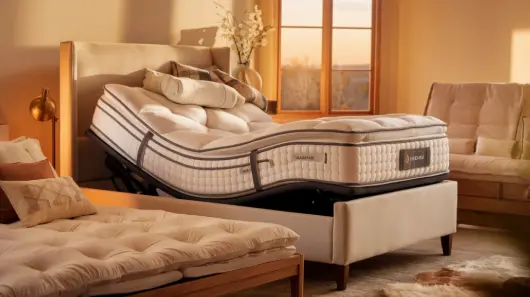
Sleep quality begins with the right mattress, yet many Winnipeg residents struggle to navigate the overwhelming array of options available. From traditional innerspring designs to modern memory foam and hybrid constructions, the local market offers solutions for every sleep style and budget. The stakes are higher than comfort alone—research from the Sleep Foundation shows that proper mattress support can reduce chronic back pain, improve sleep duration, and enhance daytime cognitive function.
This guide examines the mattress landscape in Winnipeg, exploring everything from space-saving futons to adjustable beds designed for therapeutic sleep. We’ll also look at why shopping locally offers advantages that online retailers can’t match, and how to identify quality products that will serve you well for years to come.
The Case for Shopping Local Mattress Retailers
While online mattress companies have flooded the market with aggressive advertising, Winnipeg’s brick-and-mortar stores maintain distinct advantages that matter when making a purchase you’ll live with for a decade or more.
Local retailers provide immediate tactile feedback—you can test firmness levels, assess edge support, and gauge temperature regulation in ways that no online quiz can replicate. Staff at established stores typically receive manufacturer training and can identify which construction types suit different body weights, sleep positions, and health conditions. This expertise becomes particularly valuable when navigating specialized products like adjustable bases or therapeutic mattresses.
The economic impact extends beyond your bedroom. Money spent at Winnipeg mattress stores circulates through the local economy, supporting jobs and contributing to the tax base that funds municipal services. Many local retailers also offer delivery services that accommodate Manitoba’s climate challenges, ensuring your new mattress arrives protected from extreme temperatures that could affect materials during shipping.
Perhaps most importantly, local stores provide accountability. When issues arise—and they occasionally do with any major purchase—you can walk into a physical location rather than navigating automated customer service systems or shipping products back at your own expense.
Understanding Mattress Construction Types
The mattress industry has evolved considerably beyond the simple innerspring designs that dominated for decades. Today’s market segments into distinct categories, each engineered for specific sleep needs:
- Memory Foam: Viscoelastic foam responds to body heat and pressure, contouring to your shape while distributing weight evenly. This construction excels at pressure point relief for side sleepers and those with joint pain, though heat retention can be an issue for warm sleepers. Higher-density foams (4+ pounds per cubic foot) typically outlast cheaper alternatives.
- Innerspring: Steel coil systems provide responsive support with excellent airflow. Modern pocket coil designs isolate motion better than traditional Bonnell coils, making them viable for couples. These mattresses work well for back and stomach sleepers who need firmer support, and they typically cost less than foam alternatives at comparable quality levels.
- Hybrid: Combining foam comfort layers with coil support cores, hybrids attempt to deliver the benefits of both technologies. Quality varies significantly based on coil gauge, foam density, and layer thickness. The best hybrids use individually wrapped coils and at least 2-3 inches of high-density comfort foam.
- Latex: Natural or synthetic rubber foam offers durability and responsiveness that memory foam can’t match. Latex sleeps cooler, responds faster to movement, and often lasts 12-15 years. The higher upfront cost reflects superior longevity and performance.
Your sleeping position should guide your choice. Side sleepers typically need softer surfaces that cushion shoulders and hips, while back and stomach sleepers require firmer support to maintain spinal alignment.
Futons: Practical Solutions for Flexible Spaces
Winnipeg’s housing market increasingly favors smaller, more efficient living spaces, making multifunctional furniture essential. Futons have evolved far beyond the flimsy college dorm staples of previous generations, now offering legitimate comfort for both sitting and sleeping.
Modern futon frames come in solid hardwood, metal, and engineered wood constructions.
Hardwood frames—particularly oak and maple—provide superior durability and weight capacity, though they command higher prices. The mattress component matters more than many buyers realize. Quality futon mattresses use high-density foam cores (at least 1.8 pounds per cubic foot) wrapped in cotton or polyester batting, with covers in durable fabrics that withstand frequent conversion between positions.
Thickness significantly impacts comfort. While 6-inch futon mattresses work for occasional guest use, anyone planning regular sleep should consider 8-10 inch options that provide adequate cushioning and support. Some manufacturers now offer memory foam futon mattresses that rival traditional beds in comfort while maintaining the space-saving convertible design.
For Winnipeg apartments and condos where every square foot counts, a well-chosen futon transforms a home office into a guest room or creates a comfortable seating area that converts to sleeping space when needed. The key is prioritizing quality construction over the cheapest available option—a decision that pays dividends in both comfort and longevity.
Adjustable Beds: Beyond Hospital Equipment
Once relegated to medical facilities and luxury hotels, adjustable bed bases have become increasingly accessible to residential buyers. The technology addresses specific health concerns while offering customizable comfort that fixed foundations can’t provide.
The core benefit lies in positional flexibility. Elevating the head reduces acid reflux symptoms by keeping stomach contents below the esophageal sphincter. Raising the legs improves circulation, reduces lower back pressure, and can alleviate swelling in the feet and ankles.
Modern adjustable bases include features that extend beyond simple positioning:
- Massage functions: Built-in vibration motors target head, lumbar, and foot zones, promoting relaxation before sleep
- USB charging ports: Integrated power outlets eliminate bedside cable clutter
- Under-bed lighting: Motion-activated LEDs provide safe nighttime navigation
- Programmable positions: Memory presets allow instant adjustment to preferred configurations
- Wall-hugging design: The base slides backward as it elevates, maintaining nightstand accessibility
Compatibility matters when shopping for adjustable bases. Not all mattresses flex appropriately. Retailers offering adjustable bases with these features include Best Sleep Centre, Sleep Country, and selections at Wayfair.
RV Mattresses: Comfort Beyond Standard Dimensions
Recreational vehicle sleeping quarters present unique challenges that standard residential mattresses can’t address. RV mattresses must fit non-standard dimensions, withstand road vibration and temperature fluctuations, and often accommodate unusual shapes like corner radius cuts or angled walls.
Size variations in RV sleeping spaces mean that off-the-shelf mattresses rarely fit properly. Common RV mattress dimensions include short queens (60″ x 75″), RV kings (72″ x 80″), and three-quarter sizes (48″ x 75″) that don’t exist in residential bedding. Custom cutting services can modify standard mattresses, though purpose-built RV mattresses often provide better value with appropriate materials and construction.
Material selection impacts both comfort and practicality. Memory foam works well in RVs due to its ability to conform to irregular sleeping platforms and its resistance to developing permanent impressions from road vibration. However, temperature sensitivity means foam mattresses may feel firmer in cold weather—a consideration for winter camping in Manitoba. Innerspring mattresses provide consistent support across temperature ranges but may develop squeaks or coil damage from constant movement.
Weight matters in RV applications where every pound affects fuel economy and payload capacity. High-density foam mattresses typically weigh less than comparable innerspring models while offering similar or better support. Some RV-specific mattresses use lighter-gauge coils or thinner comfort layers to reduce weight without completely sacrificing quality.
Timing Your Purchase: Sales Cycles and Savings
Mattress pricing follows predictable patterns that informed buyers can exploit for significant savings. Understanding retail cycles helps you avoid paying full price for identical products.
Major sale periods cluster around holiday weekends—Victoria Day, Canada Day, Labour Day, and Boxing Week consistently feature aggressive promotions as retailers clear inventory for new models. February and August also see substantial discounts as manufacturers introduce updated lines and stores liquidate previous-year stock.
Floor model sales offer another avenue for savings. Display mattresses sell at 30-50% discounts despite minimal use—most have protective covers and accumulate far less wear than the average home mattress experiences in its first year. Inspect floor models carefully for stains or damage, and verify that the manufacturer’s warranty transfers to subsequent owners.
Negotiation remains viable at independent retailers, particularly on higher-end models with substantial markup. Cash purchases, multiple-item orders (mattress plus foundation plus frame), and end-of-month timing can all provide leverage for price reductions or value-added services like free delivery or mattress removal.
Beware of perpetual sales that create false urgency. Some retailers maintain constant “limited time” promotions that never actually end. Research typical selling prices for specific models before shopping, and don’t let artificial scarcity pressure you into hasty decisions on a product you’ll use for the next decade.
Making the Decision
Choosing a mattress involves balancing multiple factors—comfort, support, durability, price, and specific health needs. The process requires more than a quick store visit or impulse online purchase.
Plan to spend at least 10-15 minutes testing each mattress you seriously consider. Lie in your typical sleeping position, not just sitting on the edge. Bring your sleeping partner if you share a bed—individual comfort preferences often differ significantly. Pay attention to pressure points at shoulders, hips, and lower back. The right mattress should maintain spinal alignment while cushioning these high-pressure areas.
Ask about trial periods and return policies before purchasing. Many retailers now offer 30-90 day comfort guarantees that allow exchanges if the mattress doesn’t work out. Understand the terms—some charge restocking fees or limit exchanges to specific price ranges. Manufacturer warranties typically cover defects but not comfort preferences, and they often require specific foundations and protectors to remain valid.
Consider the total cost of ownership beyond the mattress price. Delivery fees, old mattress removal, foundations, protectors, and new bedding all add to the final investment. Some retailers bundle these items at package discounts that provide better value than purchasing components separately.
The mattress market in Winnipeg offers options for every need and budget, from compact futons to therapeutic adjustable beds. Taking time to understand your specific requirements and shopping strategically ensures you’ll find a solution that delivers years of restorative sleep.
Also Read-Expert Elderly Care Services Supporting Cognitive Health and Wellbeing