Have you noticed new changes in your teeth or gums over the years? Aging naturally affects the mouth, even when daily care remains consistent.
Enamel may thin, gums may recede, and saliva production can decrease. These changes can make teeth more sensitive and raise certain dental risks.
However, growing older does not mean losing a healthy, comfortable smile. Understanding what happens helps people make better choices at every stage.
This guide explains common changes and practical ways to protect lasting oral health. Keep on reading!
Enamel Wears Down Over Time
Enamel is the hard, shiny surface that covers each tooth. As people age, enamel naturally wears down from years of chewing and brushing.
Thinner enamel makes teeth more sensitive to hot or cold foods and drinks. It also makes teeth look duller and more yellow, since the layer underneath shows through. Taking good care of your teeth can slow enamel loss and help keep them strong.
Gums May Start to Recede
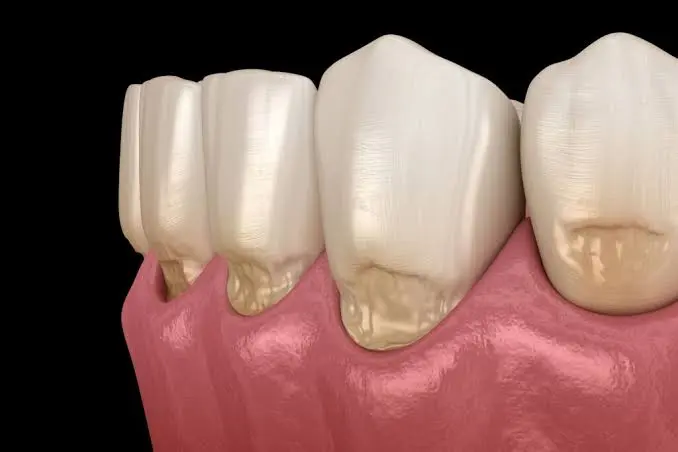
Gum recession is common as people get older. This means the gums slowly pull away from the teeth, exposing more of the tooth’s root.
Receding gums can make teeth look longer and increase the risk of tooth decay. Sometimes, gums become more sensitive or bleed when brushing.
Dry Mouth Becomes More Common
Older adults may notice their mouths feel dry more often. This is called dry mouth, and age, medications, or health problems can cause it.
Saliva helps wash away food and bacteria, so less saliva can increase the risk of cavities. People can manage dry mouth by drinking water often and avoiding sugary snacks. Chewing sugar-free gum may also help boost saliva flow.
Teeth Can Shift and Move
Teeth are not fixed in place for life. As the body ages, bone loss in the jaw can cause teeth to shift or crowd together. This can make it harder to clean between teeth and may affect the way someone bites or speaks.
Dentists can recommend solutions to keep teeth in their best position. Some people use retainers or other dental devices to help with changes.
Increased Risk of Tooth Decay
Tooth decay can become a bigger problem with age. Receding gums, dry mouth, and diet changes can all increase cavity risk. In fact, number averages by age show that older adults often have more dental fillings than younger people.
Regular brushing, flossing, and dental checkups help prevent new cavities. Limiting sugary foods is also important for protecting teeth.
Gum Disease May Develop
Gum disease is a serious problem that can develop over time. It starts with red, swollen, or bleeding gums and can lead to tooth loss if not treated.
Aging, poor oral hygiene, smoking, and certain health conditions can all raise the risk. Early gum disease can often be reversed with better care and regular dental cleanings. Seeing a dentist at the first sign of trouble is always a smart idea.
Keep Smiling Through the Years
Aging brings many changes to teeth and gums, but a healthy smile is always possible. Good habits like brushing, flossing, and regular dental visits make a big difference.
Watching out for changes in the mouth helps catch problems early. Eating a balanced diet also supports strong teeth and healthy gums.
Did you like this guide? Great! Please browse our website for more!
Also Read-
- Innovative Staffing Strategies for Educational Success
- Robotics Education Integration Tips for Engaged Learners
- How to Make Selling a Home Less Stressful

James is a senior editor at axprassion.com with over a decade of experience in crafting compelling narratives and making complex topics accessible. His articles and interviews with industry leaders have earned him recognition as a key influencer by organisations like Onalytica. Under his leadership, publications have been praised by analyst firms such as Forrester for their excellence and performance. Connect with him on