
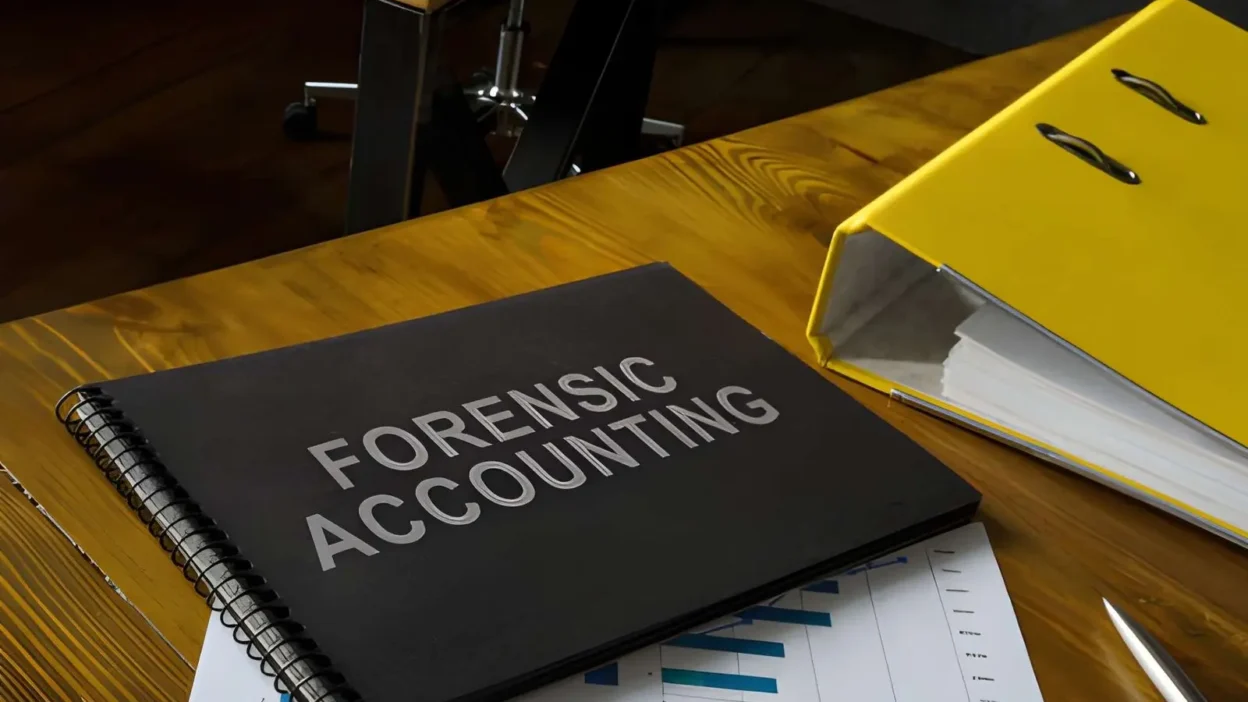
Financial fraud hurts people, families, and communities. You may feel unsure where to turn or who to trust. A certified public accountant trained in forensic work can help you face that fear with clear facts. A Lakeland CPA can trace money, read records, and spot hidden patterns that others miss. In turn, you gain a clear picture of what happened, what is at risk, and what to do next. This blog explains how CPAs support forensic accounting and fraud prevention for you. It covers how they uncover false entries, test controls, and work with lawyers and law enforcement. It also shows how they help you build stronger protections so you can lower the chance of fraud. By the end, you will know what to ask, what to expect, and how to use a CPA as a strong partner against fraud.
What Forensic Accounting Really Means
Forensic accounting means using accounting skills to answer questions about money and truth. You may need it when money goes missing, records look wrong, or trust breaks.
In simple terms, a forensic CPA helps you:
- Find out if fraud happened
- Measure how much money is gone
- Gather proof that stands up in court
The work is careful and exact. Every number, receipt, and transfer matters. Every step must follow clear rules so a judge or jury can trust the outcome. For background on fraud risks in small groups, you can review the Association of Certified Fraud Examiners data summarized by the U.S. Small Business Administration.
How CPAs Uncover Fraud
Fraud often hides in plain sight. A CPA trained in forensic work looks at records with three goals in mind.
- Confirm what is true
- Spot what is false
- Explain what it means in clear words
Here are common steps you can expect.
- Record review. The CPA checks bank statements, invoices, payroll, contracts, and tax returns. You get a list of gaps, conflicts, and odd entries.
- Tracing money. The CPA follows the path of money from source to final use. This may include personal accounts, shell companies, or cash withdrawals.
- Digital work. The CPA may review emails, accounting software logs, and access records. This can show who changed what and when.
- Interviews. The CPA speaks with staff, vendors, and others. These talks can reveal pressure, excuses, or simple mistakes.
You receive a clear report that explains what likely happened and how strong the proof is.
Fraud Prevention Before Trouble Starts
Prevention hurts less than response. A CPA can help you lower risk before money disappears. The work focuses on three parts of your daily life or business.
- Controls. The CPA checks who can approve payments, who can change records, and who can move cash. Then you get simple steps to reduce weak spots.
- Monitoring. The CPA sets up regular checks. These may include surprise audits, monthly reviews, and follow-up on odd items.
- Training. The CPA can teach staff and family members how to spot red flags and where to report them without fear.
The goal is clear. You build habits that make fraud harder, riskier, and easier to catch early.
Common Fraud Schemes A CPA Can Detect
| Fraud type | What it looks like | How a CPA helps you |
|---|---|---|
| Embezzlement | Trusted person moves money to self | Traces transfers, matches records, quantifies loss |
| Billing fraud | Fake vendors or false invoices | Checks vendors, tests prices, confirms real goods or services |
| Payroll fraud | Ghost workers or false hours | Compares time sheets, HR lists, and payment records |
| Expense fraud | Inflated or fake expense claims | Reviews receipts, travel records, and card statements |
| Financial statement fraud | Changed numbers to hide loss or debt | Tests entries, confirms with banks, and checks for patterns |
This table shows only a few schemes. A skilled CPA stays alert to new tricks and patterns.
Working With Lawyers And Law Enforcement
Fraud cases often move into legal steps. A CPA can support that path in three ways.
- Evidence. The CPA gathers and protects records so they meet legal rules. Every document has a clear source and chain of custody.
- Reports. The CPA writes clear reports that judges, juries, and regulators can understand.
- Testimony. The CPA may testify as an expert witness. That means clear answers under oath to explain complex money issues.
This teamwork helps you seek justice, recover lost money when possible, and close the case with fewer loose ends.
Warning Signs You Should Not Ignore
You may not know when to call a CPA. Watch for these signs.
- Bank balances that do not match your books
- Vendors you do not know or cannot reach
- Missing receipts or frequent excuses for late records
- Staff who refuse to take time off or share duties
- Sudden lifestyle changes without clear income
If you see more than one sign, act. Early action protects savings, jobs, and peace of mind. For more warning signs and basic steps, you can review the Federal Trade Commission guidance.
How To Choose A CPA For Fraud Work
Not every CPA does forensic work. You should ask clear questions.
- What fraud or forensic cases have you handled
- Do you hold any special fraud or forensic certifications
- Have you testified in court before
- How will you protect my privacy and records
- What will the work plan and timeline look like
You deserve straight answers. You also deserve fee terms in writing before work starts.
Protecting Your Family And Community
Fraud is not only about numbers. It breaks trust at home, work, and in your town. A CPA who understands forensic work helps you steady that damage.
You gain three things.
- Clarity about what truly happened
- Support as you deal with police, lawyers, and insurers
- Stronger controls so the same harm is less likely again
You do not need to face fraud alone. With the right CPA, you can move from confusion and anger to clear facts and firm steps forward.
Also Read
- Integrating Tech Solutions for Enhanced Manufacturing Efficiency
- How Hard Money Lenders Can Accelerate Your Vacation Rental Investment
- 3 Ways CPAs Strengthen Internal Business Controls