
Every patient deserves a mouth that feels steady and safe. That includes people with disabilities, sensory issues, anxiety, or medical conditions. Your needs may feel different from other patients. That is real. Good orthodontists respect that. They do not rush you. They listen and adjust each step of care.
This blog explains how they do that. You will see how an orthodontist can change the room, the schedule, and even the tools to match your needs. You will learn what to share before your first visit and how to ask for support during treatment. You will also read examples from an orthodontic clinic in Cincinnati that uses these methods every day.
You are not a “difficult” patient. You are a person who deserves clear plans, patient staff, and care that fits your life. Here is how strong teams provide that kind of support.
What “unique needs” can look like
Unique needs can touch your body, your senses, or your emotions. Many patients live with more than one need at the same time. None of this is your fault.
Common needs include:
- Autism or sensory processing issues such as strong reactions to sounds or lights
- Intellectual or developmental disabilities
- Physical disabilities that affect movement, balance, or breathing
- Medical conditions such as epilepsy, heart disease, or bleeding problems
- High fear of dental care or past trauma
- Communication differences such as limited speech or use of a device
Skilled orthodontists plan for these needs before you sit in the chair. They build routines that lower stress and protect your health.
Preparing before the first visit
Strong care starts before you open the door. Clear planning can cut fear and chaos for you and your family.
You can ask the office to:
- Schedule a longer first visit so no one feels rushed
- Book a quiet time of day with fewer people in the waiting room
- Send photos of the office and staff so you can review them at home
- Explain each step of the visit in plain words or a short written plan
It helps to share:
- Your medical history and all current medicines
- Triggers such as bright light, certain sounds, or crowded rooms
- Comfort items that help, such as headphones or a weighted blanket
- Best ways to communicate, such as pictures, sign language, or a device
The National Institute of Dental and Craniofacial Research offers plain language guides on planning dental visits for people with disabilities.
How orthodontists adapt the office and tools
Orthodontic care uses many sounds, textures, and tastes. These can feel harsh. Good teams change the setting to match what you can handle.
Common changes include:
- Lower light or use of natural light instead of strong overhead bulbs
- Music turned off or replaced with calm sounds
- Private rooms instead of open bays
- Simple smells with no strong cleaners or perfumes
They also adjust tools and methods. They may:
- Use smaller mirrors, suction tips, and brushes
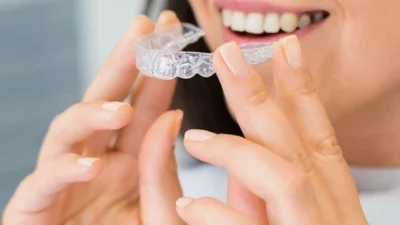
- Try clear aligners instead of metal brackets when safe and possible
- Use flavored gels that you choose
- Offer a “tell, show, do” pattern for every step
These small changes can turn fear into control. They give your body and mind room to breathe.
Support during the visit
The visit itself can feel intense. Strong teams use three core habits. They predict, explain, and pause.
- Predict. They tell you what will happen next, how it will feel, and how long it will last.
- Explain. They use short words and simple steps. They avoid sudden moves.
- Pause. They watch your face and body. They stop if you raise your hand or show distress.
You can ask for:
- A support person in the room
- Breaks during longer work
- A signal you can use when you need a stop
- Distraction such as music, a small toy, or a screen
Some patients also need medicine to relax or control movement. Decisions about that should follow guidance from your medical team and public health standards such as those shared by the Centers for Disease Control and Prevention.
Example care options for different needs
| Patient need | Common challenge | Helpful office response |
|---|---|---|
| Autism with sound sensitivity | Loud tools cause panic | Quiet time slot, noise-cancelling headphones, longer breaks |
| Wheelchair user | Transfer to chair is unsafe | Treatment in wheelchair, ramps, wide doors, lift if needed |
| Seizure disorder | Risk during longer visits | Short visits, careful head support, staff trained in response plans |
| High fear of dental care | Avoids needed treatment | Slow exposure, clear choices, calming aids, consistent staff |
| Limited verbal speech | Hard to share pain or fear | Picture boards, yes or no cards, time for device use |
Working with families and caregivers
Caregivers carry a heavy load. They know the patient’s history, routines, and fears. Strong orthodontists treat caregivers as partners.
Good teams:
- Invite caregivers to share past good and bad dental visits
- Ask what calms the patient at home
- Teach simple home care steps with clear tools and pictures
- Respect caregiver limits and time
For children, the orthodontist may start with short “get to know you” visits. These visits may only include sitting in the chair, touching a mirror, or counting teeth. Trust grows through many small wins.
How you can speak up for your needs
Strong care is a shared effort. You have a right to clear, respectful treatment. You can:
- Write your main needs on a one-page sheet and hand it to staff
- Bring someone who can speak for you if you get tired
- Ask for plain language when something sounds confusing
- Say “stop” when something hurts or feels unsafe
If a clinic does not respect your needs, you can look for one that does. Many orthodontic practices train staff on disability and trauma-informed care. Some, like the orthodontic clinic in Cincinnati named earlier, build this into every visit.
Key message
Your teeth and jaws affect how you eat, speak, and smile. You deserve care that matches your body, your mind, and your story. With planning, clear talk, and flexible tools, orthodontists can offer safe, steady treatment for patients with unique needs. You are worth that effort every single time.
Also Read
- Professional Sanitation Solutions for Business Facilities
- What Everyday Life Looks Like in a Modern Elderly Living Community
- Office Removals Services for Smooth Business Moves