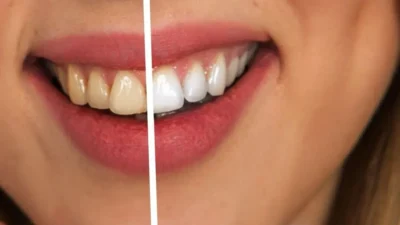

You might focus on how your teeth look and ignore how they work. That choice can cause pain, broken work, and new problems. General dentistry protects the parts you cannot see. It keeps the tooth, gum, and bone strong under every crown, veneer, or filling. Routine exams and cleanings find cracks, decay, and bite problems early. Careful x‑rays and bite checks guide repairs that last. Thoughtful treatment planning lines up cosmetic goals with daily function. Your dentist looks at how you chew, speak, and clean your teeth at home. Then the dentist shapes each cosmetic step around that. This blog explains how basic care supports every bright smile. It also shows what to expect from your general dentist and how to ask the right questions. If you want trusted cosmetic dentistry in New Hope, you first need strong general dentistry under every visible change.
Why function under cosmetic work matters
Cosmetic work can hide deep decay or weak bone for a short time. It cannot fix them. If the base is weak, the top will fail. You may see:
- Loose crowns that pop off during meals
- Sharp pain when you bite or drink cold water
- Gum swelling around new work
Strong general care keeps the root, nerve, and bone stable. That support lets cosmetic work stay firm when you chew, talk, and grind at night. You gain a smile that looks clean and also works hard for many years.
How general dentists protect teeth under cosmetic work
Before any cosmetic change, a general dentist should:
- Check your full medical and dental history
- Look at each tooth, gum line, and old filling
- Use x‑rays to find deep decay and bone loss
- Test your bite on both sides and in front
Then your dentist plans care in a clear order. You treat active disease first. Next, you correct your bite. Then you place cosmetic work on a calm mouth. This stepwise plan cuts the risk of root canals, broken crowns, and jaw pain after the work.
The National Institute of Dental and Craniofacial Research explains how tooth decay and gum disease harm the support system that cosmetic work needs.
Common problems hiding under cosmetic restorations
Many problems stay quiet under crowns, veneers, and bonding. You may not see them in the mirror. Common hidden threats include:
- Decay around crown edges
- Cracks under old fillings
- Gum pockets that trap food and bacteria
- Teeth that hit too hard in one spot
- Night grinding that chips new work
Routine general visits find these problems while they are small. That early care saves more of your own tooth and lowers costs over time.
Routine care that keeps cosmetic work strong
General dentistry uses simple steps to guard what sits under your cosmetic work. Key steps include:
- Cleanings to remove plaque and hard tartar
- Fluoride for teeth at high risk of decay
- X‑rays at safe intervals to watch roots and bone
- Bite checks to adjust high spots on crowns or fillings
- Night guards for people who grind or clench
Each visit is a chance to adjust small issues before they grow. That care keeps chewing evenly. It also keeps pressure off weak spots and new work.
Comparing untreated teeth, basic care, and cosmetic plus general care
| Type of care | What you see | What happens over time |
|---|---|---|
| No routine care | Stains, plaque, gum bleed | More decay, tooth loss, jaw pain, costly urgent visits |
| General care only | Clean, natural teeth and gums | Lower risk of decay, steady bite, fewer major problems |
| Cosmetic work without general care | Nice smile at first | Hidden decay, loose work, repeat repairs, sudden breakage |
| Cosmetic work with strong general care | Nice smile that also feels steady | Longer crown and veneer life, fewer emergencies, stable chewing |
Your role at home under cosmetic restorations
Home care protects the edges where tooth and cosmetic work meet. Those tiny lines collect plaque fast. You can protect them through three basic habits.
- Brush with fluoride toothpaste twice each day
- Clean between teeth with floss or small brushes once each day
- Use a simple mouth rinse if your dentist suggests it
The Centers for Disease Control and Prevention shares plain guidance on daily dental care and how it prevents disease.
Questions to ask your dentist before cosmetic work
You deserve clear answers before you agree to crowns, veneers, or bonding. You can ask:
- Are any teeth infected or decayed under the planned work?
- How will this change my bite
- Will I need a night guard to protect this work
- How long should this treatment last if I get routine care
- How often should I return for checks and cleanings
Direct questions show that you want both beauty and strength. That focus helps your dentist shape a plan that protects your health as well as your smile.
Putting function first gives you real peace
A bright smile can feel empty if you cannot chew, sleep, or enjoy cold water without pain. General dentistry gives you something deeper. It gives you steady chewing, calm gums, and fewer surprises. When you and your dentist guard the hidden parts under crowns and veneers, your cosmetic work can stand firm for years. You gain a smile that looks clean and also feels safe every single day.
Also Read-Professional Sanitation Solutions for Business Facilities

James is a senior editor at axprassion.com with over a decade of experience in crafting compelling narratives and making complex topics accessible. His articles and interviews with industry leaders have earned him recognition as a key influencer by organisations like Onalytica. Under his leadership, publications have been praised by analyst firms such as Forrester for their excellence and performance. Connect with him on