Anyone who’s spent time researching how to protect a vehicle’s paint eventually runs into the same question: how long will it actually last? Paint protection film has become one of the most popular ways to shield a car’s finish from rock chips, road debris, and everyday wear, but its lifespan depends on more variables than most people realize. Before choosing a product or installer, it helps to understand what drives durability, because a solution like PPF is only as good as the film quality, installation, and care that follow it. Understanding these factors can save you from disappointment and help you get the most value out of your investment.
What Paint Protection Film Actually Does
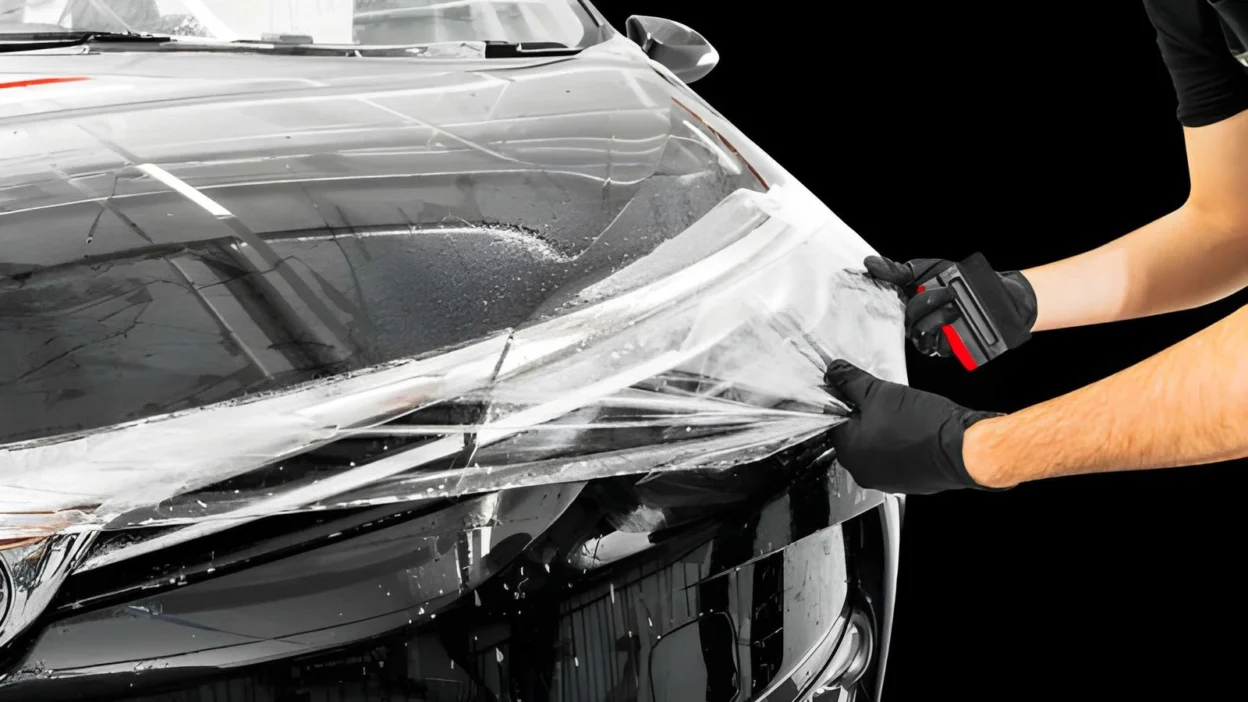
Paint protection film is a clear, urethane-based layer applied directly to a vehicle’s painted surfaces. It acts as a sacrificial barrier, absorbing impacts from gravel, insects, minor scrapes, and UV exposure before they can reach the factory paint underneath.
Unlike wax or ceramic coatings, which sit as thin protective layers, PPF has physical thickness and self-healing properties in many modern formulations. This means light swirl marks and small scratches can disappear on their own when exposed to heat, whether from sunlight or warm water.
Average Lifespan: What to Expect
Most quality paint protection film lasts between 5 and 10 years, though some premium products are rated for longer with proper maintenance. That said, “lasting” doesn’t always mean looking flawless the entire time. There’s a difference between:
- Functional lifespan – the film still protects the paint underneath, even if it shows some wear
- Aesthetic lifespan – the film looks clear, glossy, and virtually invisible
A film can remain functionally protective for years after it stops looking brand new. Knowing which stage matters most to you will shape how you plan for replacement.
Factors That Influence Durability
Several variables determine whether a film lasts closer to five years or closer to ten:
- Film quality – Entry-level films tend to yellow, haze, or lift at the edges sooner than premium options.
- Installation quality – Poor edge sealing or trapped air can lead to early lifting, bubbling, or dirt accumulation under the film.
- Climate exposure – Intense sun, extreme heat, or heavy road salt use accelerates wear.
- Maintenance habits – Regular washing and proper products extend film life significantly.
- Parking conditions – Vehicles parked outdoors face more UV and environmental stress than garaged cars.
Signs Your Paint Protection Film Needs Attention
Even well-installed film eventually shows its age. Common indicators include:
- Yellowing, especially around high-heat areas like the hood
- Cloudiness or a hazy appearance that doesn’t clear with washing
- Lifting edges, particularly near mirrors, bumpers, or door handles
- Cracking in areas exposed to constant flexing or impact
- Reduced self-healing response to minor scratches
If you notice these signs, it doesn’t necessarily mean immediate failure, but it’s worth having the film inspected by a professional to determine whether a section needs replacing.
How to Extend the Life of Your PPF
Proper care plays a bigger role in longevity than most owners expect. A few habits make a measurable difference:
Washing Techniques
- Use the two-bucket method or a touchless wash to reduce friction
- Avoid automated brush car washes, which can lift film edges over time
- Stick to pH-balanced car shampoos rather than harsh degreasers
Post-Installation Care
- Avoid waxing or applying sealants for at least a week after installation, allowing the film to fully cure
- Use products specifically labeled safe for PPF surfaces
- Address bird droppings, tree sap, or bug splatter promptly, as these can etch into film if left too long
Environmental Considerations
Parking in shade or a garage when possible reduces UV stress. In regions with heavy winter road salt, rinsing the lower panels regularly helps prevent contaminants from settling into film seams.
Is Paint Protection Film Worth It?
For owners who want to preserve resale value, protect a new vehicle, or maintain a showroom finish on a daily driver, PPF offers a level of protection that traditional coatings can’t match. It won’t make a car invincible, but it significantly reduces the risk of chips, minor scratches, and UV-related paint damage.
The key to getting the most out of it comes down to three things: choosing quality film, ensuring professional installation, and maintaining it correctly afterward. When those elements come together, paint protection film becomes less of an expense and more of a long-term investment in how a vehicle looks and holds its value over time.
Final Thoughts
Paint protection film isn’t a one-size-fits-all product, and its lifespan varies based on choices made before, during, and after installation. By understanding what affects durability and following a few simple maintenance habits, car owners can extend the life of their film well beyond the average estimate—keeping their vehicle’s finish looking sharp for years to come.
Read more: Handcrafted Exotic Accessories That Instantly Turn Heads
How To Tell If You Have A Medical Malpractice Case
Exploring the Art of Vintage Home Decorating